Best time to visit Porto — honest month-by-month guide
Porto: Porto Guided City Highlights Walking Tour
When is the best time to visit Porto?
May to June and September offer the best balance of good weather, manageable crowds, and reasonable prices. São João (23–24 June) is the city's biggest festival — a reason to go in late June or a reason to book accommodation months ahead. July and August are hot and crowded. November is the wettest month but offers the fewest tourists and the best port cellar atmosphere.
The two metrics that matter most: weather and crowds
Choosing when to visit Porto involves two variables that sometimes point in opposite directions: weather and crowd density. The best weather months (July and August) are also the busiest and most expensive. The cheapest and quietest months (November and December) are also the wettest.
| Best overall | May–June or September |
| Hottest / busiest | July–August |
| Wettest | November |
| Cheapest | November–February |
| Douro vindima harvest | Mid-September to early October |
This guide works through the year month by month, honestly — including the months that travel guides skip over or soften unfairly. It ends with three specific scenarios that most visitors face: the first-time summer visitor, the wine-focused traveller targeting the Douro, and the budget visitor willing to trade weather for price.
Porto by month at a glance
| Month | Avg. temp | Rain | Crowds | Prices |
|---|---|---|---|---|
| Jan–Feb | 9–15°C | Frequent | Lowest | Lowest |
| Mar–Apr | 15–22°C | Occasional | Low | 20–30% below summer |
| May–Jun | 20–26°C | Rare | Moderate–high | Moderate |
| Jul–Aug | 27–34°C | Very rare | Highest | Highest |
| Sep | 24–28°C | Rare | Moderate | High, easing late month |
| Oct | 19–23°C | Increasing | Low–moderate | Easing |
| Nov | 12–17°C | Wettest month | Lowest | Lowest |
| Dec | 10–15°C | Frequent | Low, spikes at Christmas/NYE | Low, spikes late month |
March and April: the value shoulder season
March and April in Porto are underrated. Temperatures range from 15 to 22°C — cool enough for comfortable walking all day, warm enough to sit outside in the afternoon. Rain falls in occasional bursts rather than solid weeks, and the city feels neither empty nor overwhelmed.
The practical advantages for March and April visitors: accommodation prices are 20 to 30 percent below summer rates, Livraria Lello queues are manageable, and port cellar visits have genuine availability without 48-hour advance booking. The Douro Valley is green and lush in spring, a different visual quality from the vine-heavy summer look, and quinta visits are well-staffed and unhurried.
Easter (Páscoa) is the notable exception in this period. When Easter falls in April, Porto fills significantly for the long weekend, and prices briefly spike. Check the Easter dates for your year before booking.
The one legitimate limitation of spring in Porto: the Douro Valley boat services between Porto and Peso da Régua may still be running reduced winter schedules in March, with full summer services typically resuming in April. Check river cruise operators directly if this is a priority.
May and June: the best overall window
May and June represent the consensus best time to visit Porto, and the consensus is correct. Temperatures average 20 to 26°C, rain becomes rare after the first week of May, daylight extends to 9 pm, and the city is busy but not overwhelmed.
What makes May and June distinct:
The gardens and parks are at their best in May — Jardim do Palácio de Cristal is in full bloom, and the Douro Valley terraces have the most photogenic green-to-blue colour contrast before the summer heat bleaches the landscape.
June brings increasing heat (daily highs of 23 to 28°C) but also significantly longer evenings. Eating dinner outside at 8:30 pm in fading light on the Ribeira steps is one of the specific pleasures of a June visit.
São João: 23 to 24 June
Porto’s largest festival deserves its own section. São João fills the entire city for two nights — street vendors sell the traditional manjericão (sweet basil plants) and plastic hammers, outdoor concerts perform on multiple stages throughout the historic centre and Ribeira, and at midnight the fireworks over the Douro Pontoon are visible from most of Porto’s hillside viewpoints.
The energy of São João is extraordinary and unlike any other event in Portugal. The experience of being on Ponte Dom Luís I at midnight surrounded by thousands of Porto residents releasing paper lanterns over the river is one of the most memorable things you can do in this city.
The practical challenge is the same every year: accommodation sells out months in advance and prices triple or quadruple for the festival nights. Book accommodation for 22 to 25 June at least three to four months ahead. The where to stay in Porto guide covers which neighbourhoods are closest to the action and which might give a quieter night’s sleep if you want to attend but also sleep.
July and August: the peak, honestly assessed
Porto in July and August is the Porto that most tourists know — crowded, hot, expensive, and unquestionably photogenic. If you can only travel in summer, you will still have an excellent time. But go in with accurate expectations.
The heat: The historic centre of Porto in August often reaches 30 to 34°C between 12 noon and 5 pm. The granite buildings, tiled streets and enclosed riverside layout absorb and radiate heat. There is very little shade on the Ribeira waterfront or the Gaia quay. The coast at Foz do Douro and Matosinhos is typically 4 to 6°C cooler due to Atlantic breezes.
The crowds: Livraria Lello without a pre-booked ticket has queues running 90 minutes to 2 hours from late morning through mid-afternoon. Port cellar slots at Taylor’s, Graham’s and Cálem fill 48 to 72 hours in advance. Popular restaurants in Ribeira turn tables from 7:30 pm without accepting walk-ins by 8 pm.
The prices: Summer accommodation in central Porto is 40 to 60 percent more expensive than the equivalent in November. A mid-range hotel room that costs 80 € in November costs 130 € in August.
The experience: Despite all of the above, July and August Porto still delivers. The evenings are the best time — temperatures drop to 22 to 25°C, the Douro waterfront is alive with people until midnight, and the light on the buildings in the last two hours before sunset is exceptional. Plan hard activities (cellar visits, monuments, Douro day trips) for morning slots, and preserve afternoons for riverside shade and cold vinho verde.
The Douro Valley in August is extremely hot (35 to 42°C) — wine tours involve standing in exposed vineyard terrain. If the Douro is your priority, August is the least good month for it. September is far better.
September: the insider’s best month
September is Porto’s best month for the combination of good weather and reduced crowds. Early September still has summer temperatures (24 to 28°C) but the school holiday crowd has returned home. Mid-September brings the start of the vindima harvest in the Douro Valley.
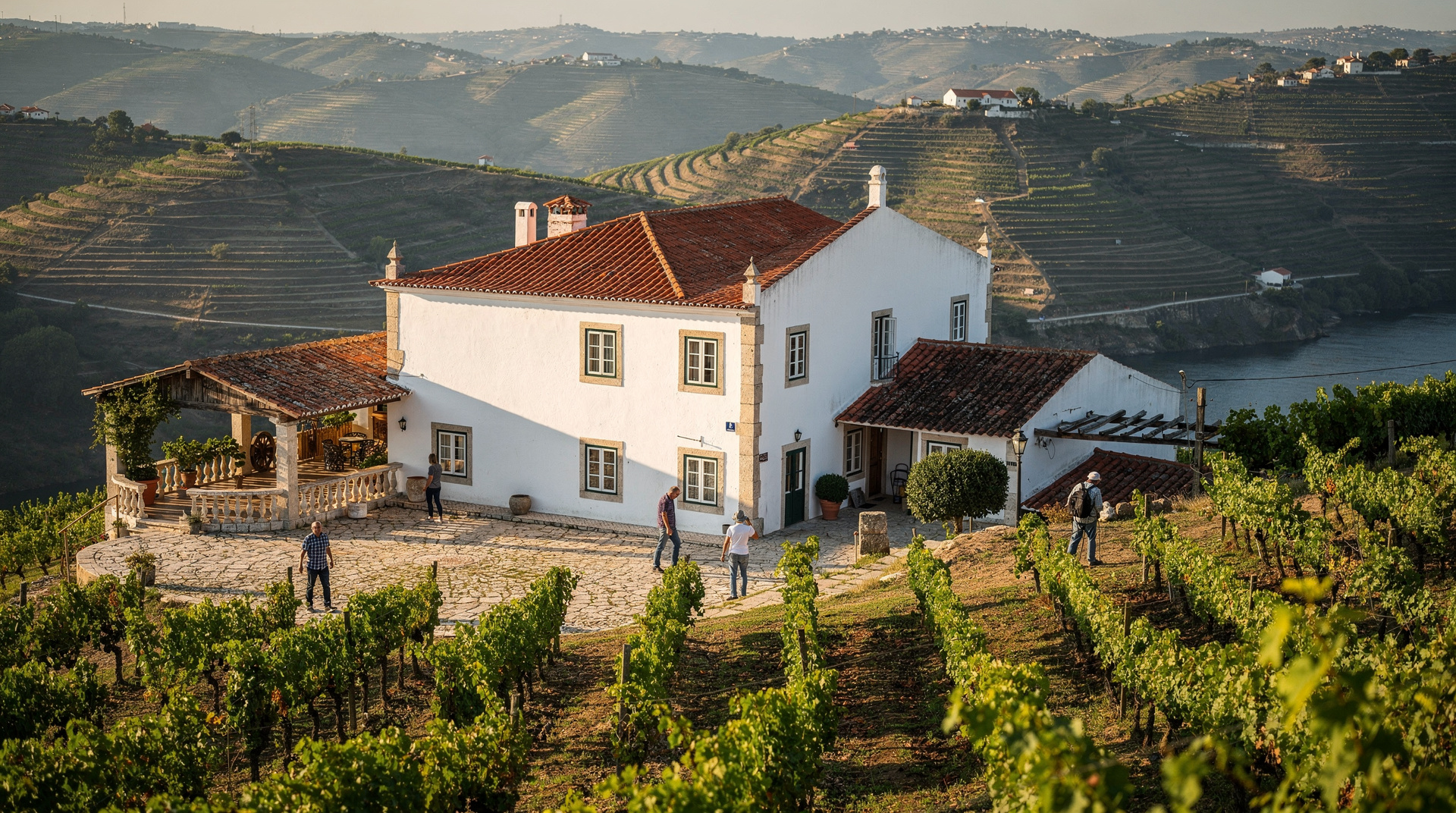
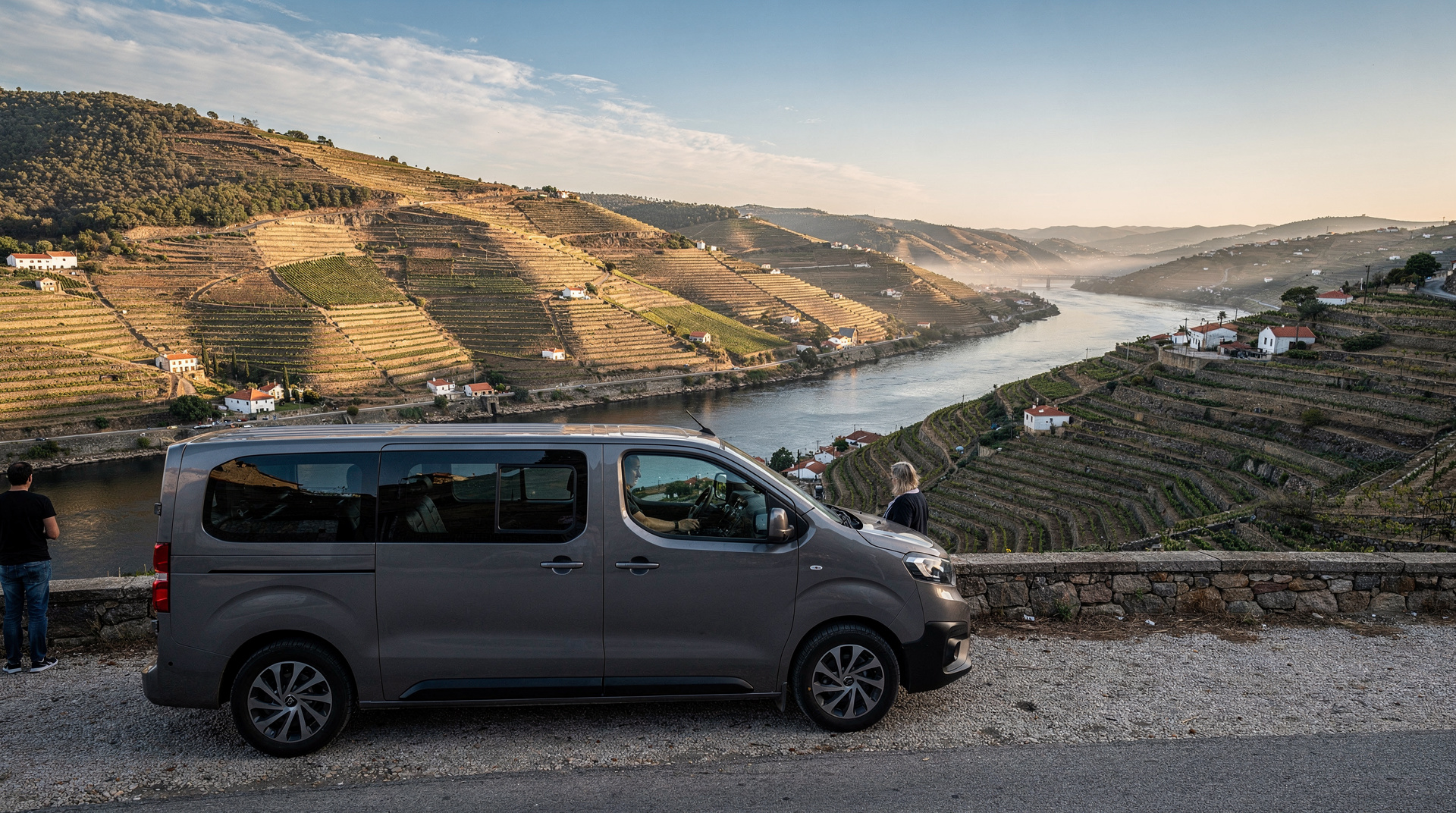
The vindima makes September exceptional for wine-focused travellers. Quinta visits during harvest involve seeing the actual grape picking and early fermentation stages, which are not available any other time of year. The Douro terraces are at maximum visual interest — workers across the hillsides, trailers carrying grapes, the scent of crushed grapes hanging over the river valley. Douro wine tour options in September book out weeks to months in advance.
In Porto itself, September is the time when the city’s outdoor dining culture peaks for the year — evenings warm enough for outdoor tables until 10 or 11 pm, crowds manageable enough that walking through Ribeira is pleasant rather than a negotiation.
Book Douro tours and quinta experiences for September as far in advance as possible — minimum two months for premium small-group tours, three to four months for overnight stays at quintas during harvest. The Douro wine lovers 4-day itinerary is structured around a September stay.
October: autumn quality at lower prices
October is Porto’s last warm month — temperatures averaging 19 to 23°C, with occasional warm days extending to 25°C. The vindima continues through early October, and the Douro Valley vine colours begin shifting to the autumn palette of yellow and orange from mid-month.
By mid-October, Porto’s tourist volumes have dropped enough that restaurant availability returns to normal, Livraria Lello queues are minimal, and port cellar visits are pleasantly unhurried. Prices begin declining from their September still-high levels.
The practical limitation of October: weather becomes less predictable as the month progresses. The first rains of the autumn season typically arrive in October — occasional full-day drizzle periods that require planning indoor alternatives. For most visitors, this is manageable.
October is also when the city’s major contemporary arts events tend to cluster — Porto hosts several festivals in October and November that are worth checking for the year of your visit.
November to February: the honest winter case
November is Porto’s wettest month by rainfall statistics, and visiting in November requires accepting that some days will be entirely overcast and rainy. This is a real limitation for anyone prioritising outdoor photography or beach days.
The honest case for a winter Porto visit:
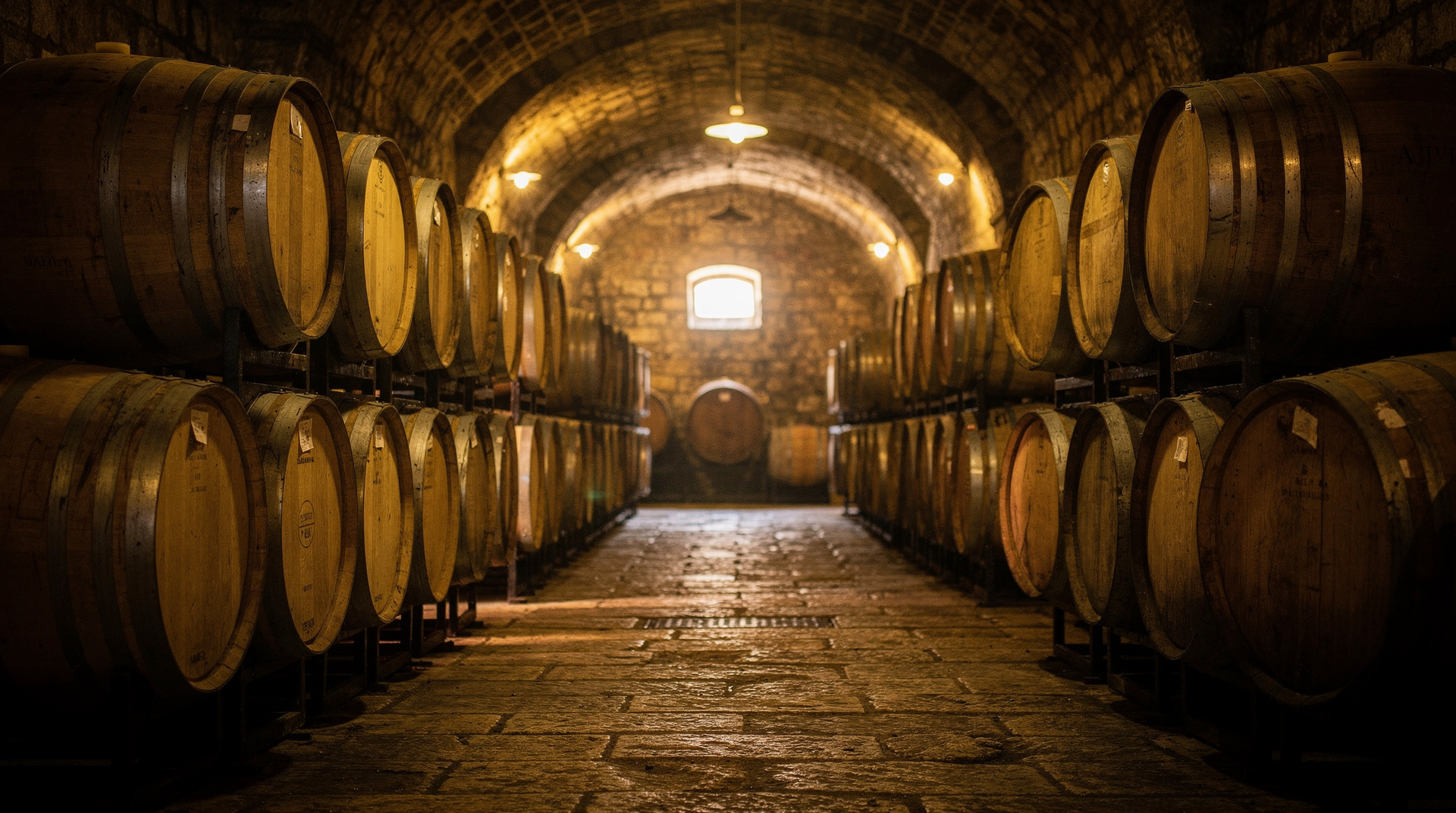
Port cellars are at their best. November through February is when the Gaia lodges are quietest, most unhurried, and most willing to spend time with individual visitors. A tasting at Taylor’s in November involves sitting in the heated tasting room with four other people and a guide who actually talks. The same experience in August involves 30 people and a rushed 12-minute tour.
Book the Cálem fado and wine tasting — the intimate atmosphere of the fado show in a quiet November cellar is noticeably different from the summer version. The best port wine cellars guide compares all major options and their winter vs summer experience.
Prices are lowest. Accommodation in November drops to 60 to 70 percent of summer rates in central Porto. Restaurants have tables available and menus priced for the local lunch crowd rather than the tourist dinner crowd. The porto on a budget guide calculates the difference — a winter visit can cost 30 to 40 percent less per day than August for the same quality of experience.
The city feels genuine. The neighbourhoods that belong primarily to Porto residents — Bonfim, Cedofeita, Campanhã — feel their most authentic in November. The tascas serving prato do dia to local workers, the cafés where a coffee costs 0.90 € rather than 2 €, and the afternoon quiet of a city not performing for visitors are all most available in winter.
December: Porto does Christmas well. The Aliados boulevard lights up with a well-designed illumination in December, and the city’s calendar of concerts and performances is at its fullest in December and January. São Silvestre on 31 December is a popular New Year’s Eve street event in the historic centre.
January and February: The quietest months of the year. A Porto trip in January is a commitment to winter travel — minimal crowds, minimum prices, and weather that requires layered clothing and willingness to spend afternoons in museums and cafés. For the right traveller (wine-focused, unhurried, cold-weather comfortable), January Porto is one of the most rewarding travel experiences in Atlantic Europe.
Public holidays and events that shift the calendar
A handful of dates move Porto’s crowd and price patterns outside the normal monthly pattern. Easter (Páscoa), which falls in March or April depending on the year, brings a short but noticeable spike in both visitors and prices — check the specific dates before booking a spring trip. Christmas and New Year (late December into early January) briefly overrides the usual winter quiet, with the Aliados illuminations drawing evening crowds and hotel prices rising for the final week of the year before dropping again in January. Outside these windows, Porto’s calendar is otherwise predictable enough to plan around confidently using the month-by-month pattern above. The Porto travel tips guide lists the fixed national holidays worth checking against your dates.
How Porto compares with the Douro Valley by season
Porto’s coastal, Atlantic-moderated climate and the Douro Valley’s continental, inland climate diverge more than their 100 km distance suggests. In summer, the Douro runs 8 to 12°C hotter than Porto and offers little shade among the vineyard terraces — a day trip is best started early and paired with a boat or covered quinta visit for the hottest hours. In winter, the gap narrows, and the Douro’s bare vine terraces and quiet quintas have their own stark appeal for visitors who don’t mind the cold. If you’re building a longer trip around both, the Douro wine lovers 4-day itinerary sequences the Douro for the cooler morning and evening hours, and the porto and Douro 5-day itinerary spreads the heat-sensitive activities across the trip.
Summary: three visitor scenarios
The first-time visitor who can choose any month: Go in May or September. Both months deliver the full Porto visual experience in comfortable temperatures with manageable crowds and reasonable prices.
The Douro Valley-focused wine traveller: Target mid-September for the vindima harvest. Book Douro tours 3 to 4 months in advance. Add at least one night in Pinhão or Peso da Régua if your schedule allows. The Douro Valley day trip guide and porto to Douro transport guide cover the logistics.
The budget traveller who can be flexible: November offers the lowest prices, smallest crowds, and the best port cellar experience of the year. Accept the rain probability, pack accordingly, and recognise that the 30 to 40 percent cost savings are real and significant.
The porto travel tips guide has practical information on what to pack, what to expect on Portuguese public holidays, and how to navigate the city in different weather conditions.
Frequently asked questions — Best time to visit Porto — honest month-by-month guide
What is the weather like in Porto in summer?
July and August are hot and dry in Porto — average highs of 27 to 31°C, with occasional peaks above 35°C. The city's granite and tile construction absorbs and radiates heat. The Douro Valley is significantly hotter (35 to 42°C) in summer. The coast at Foz do Douro and Matosinhos is cooled by Atlantic breezes and can be 3 to 5°C cooler than the historic centre. Rain is rare between June and September.Does it rain a lot in Porto?
Porto is the wettest major city in the Iberian Peninsula. The north-facing Atlantic coast receives significant rainfall in winter — November is statistically the wettest month, averaging 180 to 200 mm of rain. Rain is also common in October, December and January. The summer window (June through September) is reliably dry. May and March–April have occasional rain but nothing consistent. Winter rain in Porto tends to come in persistent, grey drizzle rather than violent storms.Is Porto good in winter?
Porto in November to February is a genuinely good experience for the right traveller — quieter, cheaper, and with a different atmosphere that many visitors prefer to the summer peak. Port cellars, restaurants and museums operate normally. The downside is short days (sunset by 5:30 pm in December) and the near-certainty of rain at some point during a winter week. Pack layers and a waterproof jacket. Bring proper footwear for wet cobblestones.What is São João in Porto?
São João (Saint John) on 23 to 24 June is Porto's largest festival — a city-wide celebration that goes until dawn. The tradition involves walking the streets with a plastic hammer (hitting people gently is encouraged), buying and releasing paper lanterns over the Douro, and a massive outdoor concert and fireworks display at midnight. The entire city participates — residents, tourists and visitors from across Portugal. It is one of the most exhilarating public events in Europe. Book accommodation 3 to 4 months in advance.When is the Douro Valley vindima harvest?
The vindima (grape harvest) in the Douro Valley takes place from mid-September to early October, varying slightly by year and altitude. This is the most visually dramatic and atmospheric time to visit the Douro — the terraced vineyards are busy with pickers, the quintas are operational, and the smell of fermenting grapes fills the air. Tours and quinta visits during vindima book out 3 to 4 months in advance. If the Douro is your priority, September is the month to plan around.Is Porto crowded in summer?
July and August are the busiest months for Porto. The historic centre, Ribeira and Gaia waterfront attract very significant crowds — queues at Livraria Lello run 90 minutes without pre-booking, port cellar slots at Taylor's and Graham's fill 48 hours in advance, and Ribeira restaurants become impossible to enter without a reservation at dinner. The experience is still excellent but less comfortable. Go in May, June or September if you can.What is the cheapest month to visit Porto?
November is typically the cheapest month, with accommodation dropping to 60 to 70 percent of summer rates and restaurant menus priced for local diners rather than tourists. January and February run a close second, with similarly low prices but slightly quieter cultural calendars. The trade-off is a real chance of rain and short daylight hours, so pack layers and a waterproof jacket.Should I visit Porto or the Douro Valley first if I only have a few extra days?
If your dates fall in September, prioritise the Douro Valley for the vindima harvest — it is the single most distinctive Douro experience and is only available for a few weeks each year. In any other month, Porto itself offers more variety per day, and the Douro works well as a single well-timed day trip rather than requiring dedicated extra days.
Top experiences
Bookable activities with verified prices and instant confirmation on GetYourGuide.