Amarante guide — the São Gonçalo bridge, pastelarias and Douro wine stop
Peso da Régua: Douro Valley Amarante from Porto Braga or Guimaraes
Is Amarante worth a day trip from Porto?
Yes — Amarante is one of the most underrated towns in northern Portugal. The São Gonçalo monastery and Tamega bridge are visually excellent, the old town is genuinely medieval and not tourist-saturated, and the local pastry culture (bolos de mel, doces de São Gonçalo) is worth experiencing. It's 60 km from Porto — 50 minutes by car or 1.5 hours by bus — and works as a half-day or full-day visit.
Amarante’s honest appeal
Amarante sits on the Tamega river about 60 km east of Porto, in a valley between the coastal hills and the Douro wine country. It is a working town of approximately 56,000 people in the surrounding municipality — not a tourist resort, not a heavily visited attraction — and that is precisely its appeal.
| Where | Tamega river, ~60 km east of Porto |
| Cost | Free to walk the town; monastery cloister and museum around €2–5 each |
| Time needed | Half day (2–3 hrs) or full day with the museum and riverbank walk |
| Getting there | Around 50–60 min by car, or ~1.5 hrs by bus from Campo 24 de Agosto |
| Best time | Spring/autumn for quiet streets; early June for the São Gonçalo festival atmosphere |
The historic centre of Amarante, concentrated around the Ponte de São Gonçalo and the monastery, is genuinely medieval in character without the tourism infrastructure that flattens similar towns. The streets are narrow, the granite architecture is honest rather than restored for effect, and the cafés and pastelarias are serving local residents as much as passing visitors.
Three elements make Amarante worth the trip: the São Gonçalo monastery and its bridge over the Tamega, the local pastry culture rooted in convent traditions, and the Vinho Verde wine production of the surrounding hills.
The Ponte de São Gonçalo and the monastery
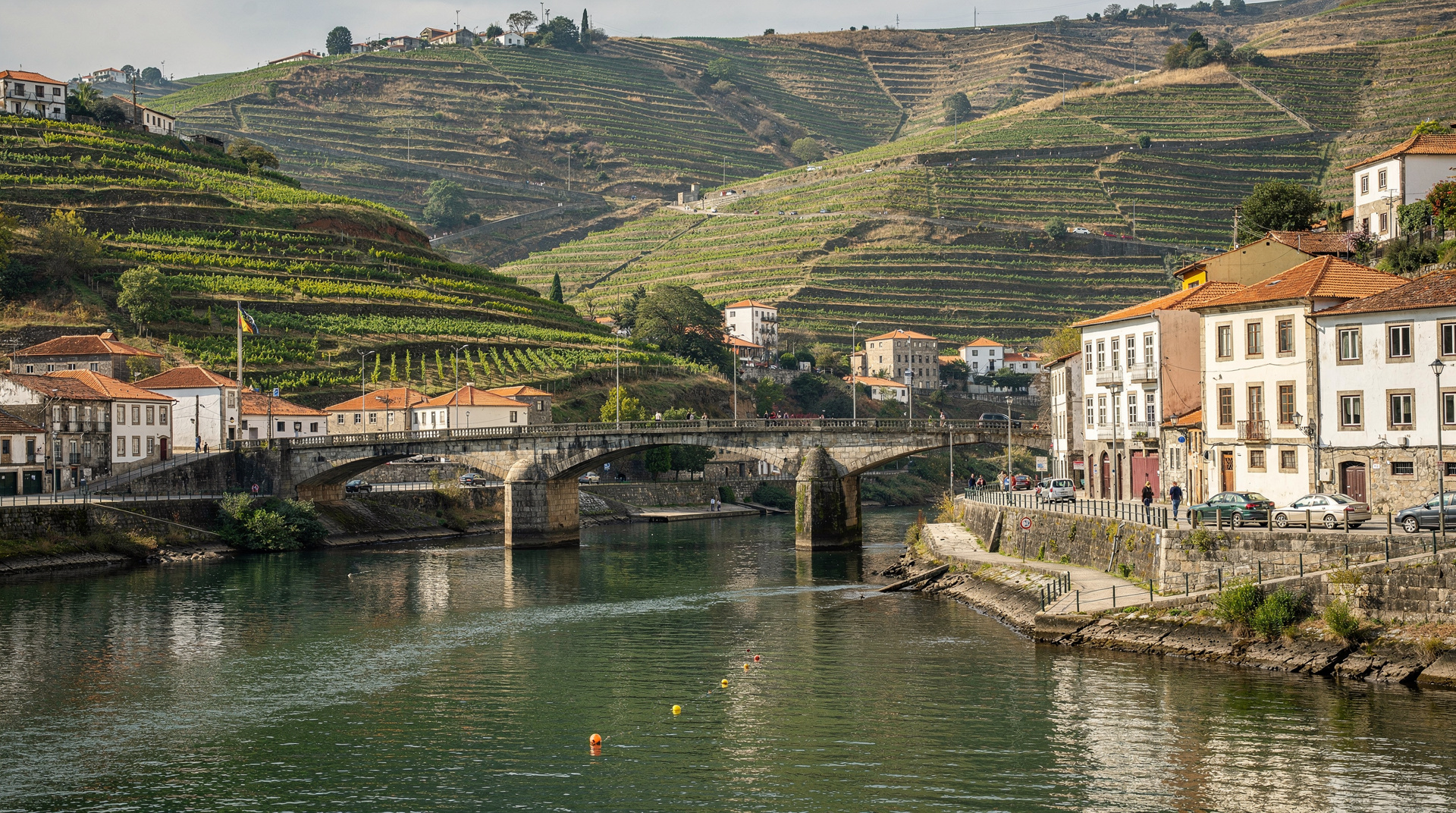
The combination of the 18th-century Ponte de São Gonçalo arching over the Tamega and the Igreja de São Gonçalo rising immediately behind it on the north bank is the defining image of Amarante. This composition — water, bridge, church tower, and the old town houses climbing the hillside — is the scene that appears on every regional tourism poster and earns its prominence.
The bridge: The Ponte de São Gonçalo spans the Tamega on three granite arches and dates from the 1790s, though there has been a bridge at this crossing since the 13th century when São Gonçalo allegedly built the first crossing. The current bridge’s historical significance was sealed by the events of May 1809: a small force of Portuguese troops held the bridge against Marshal Soult’s French army for 14 days, preventing the French advance west toward Porto. A memorial tablet at the bridge marks the resistance. The bridge is pedestrian and open for crossing at all times.
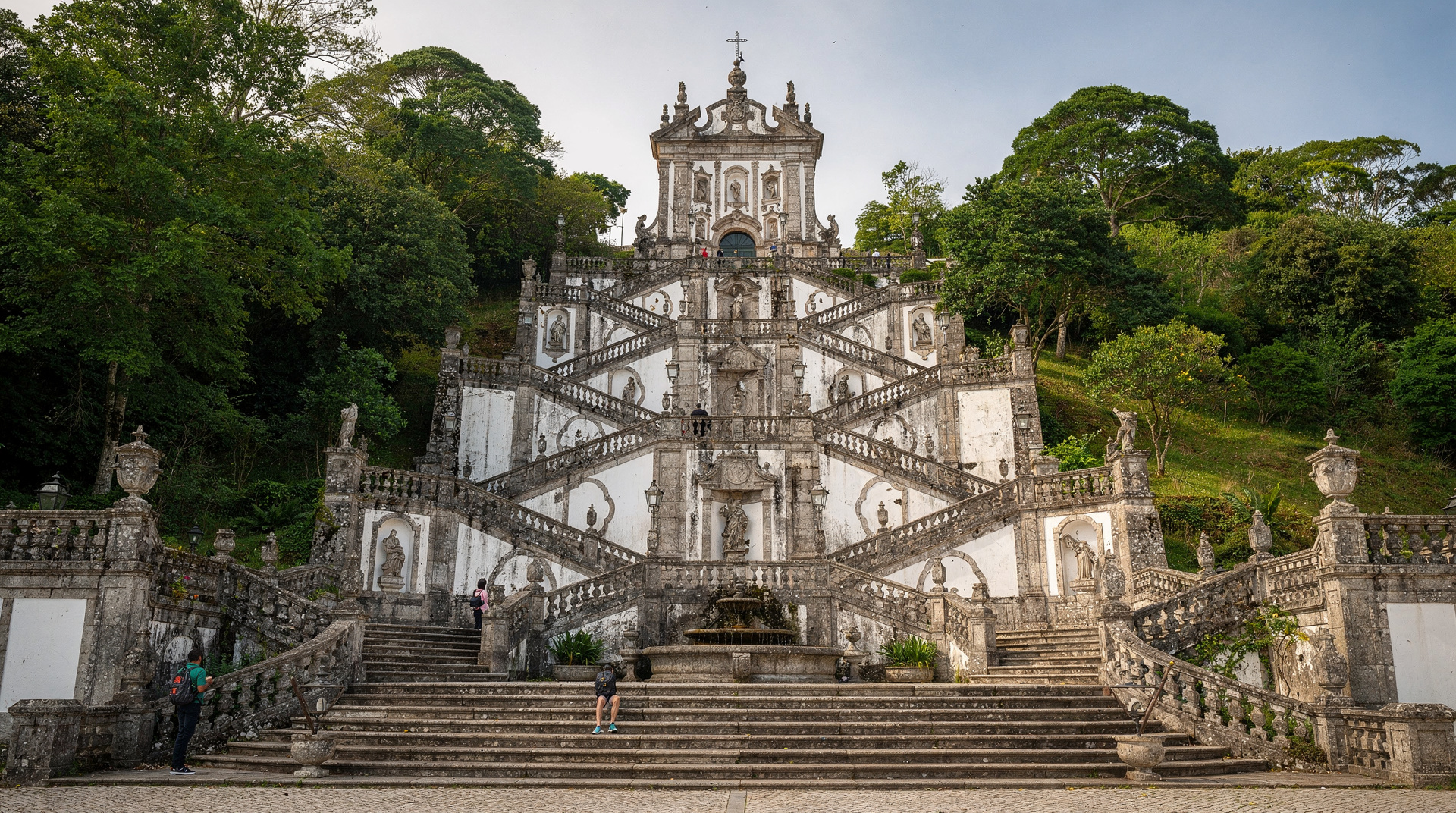
The monastery and church of São Gonçalo: The Igreja de São Gonçalo is a 16th–18th century church attached to a former Dominican convent. The exterior facade is Renaissance with later Baroque additions — the tower is distinctive, with a decorative top that appears in the classic bridge-and-church composition from the south bank. The interior contains the tomb of São Gonçalo himself in a small niche chapel where pilgrims touch the stone effigy’s hands for blessings — the hands are worn smooth from centuries of contact.
The nave decoration is exuberant Portuguese Baroque: gilded woodwork (talha dourada), azulejo panels, and painted ceilings that reward careful attention. The cloister is the quietest and most architecturally coherent part of the complex — a late Renaissance arcade with views into the monastery garden.
Entry and hours: Entry to the church is free. The monastery cloister charges a small entry fee (approximately €2–3). Opening hours vary by season; check locally for current schedules.
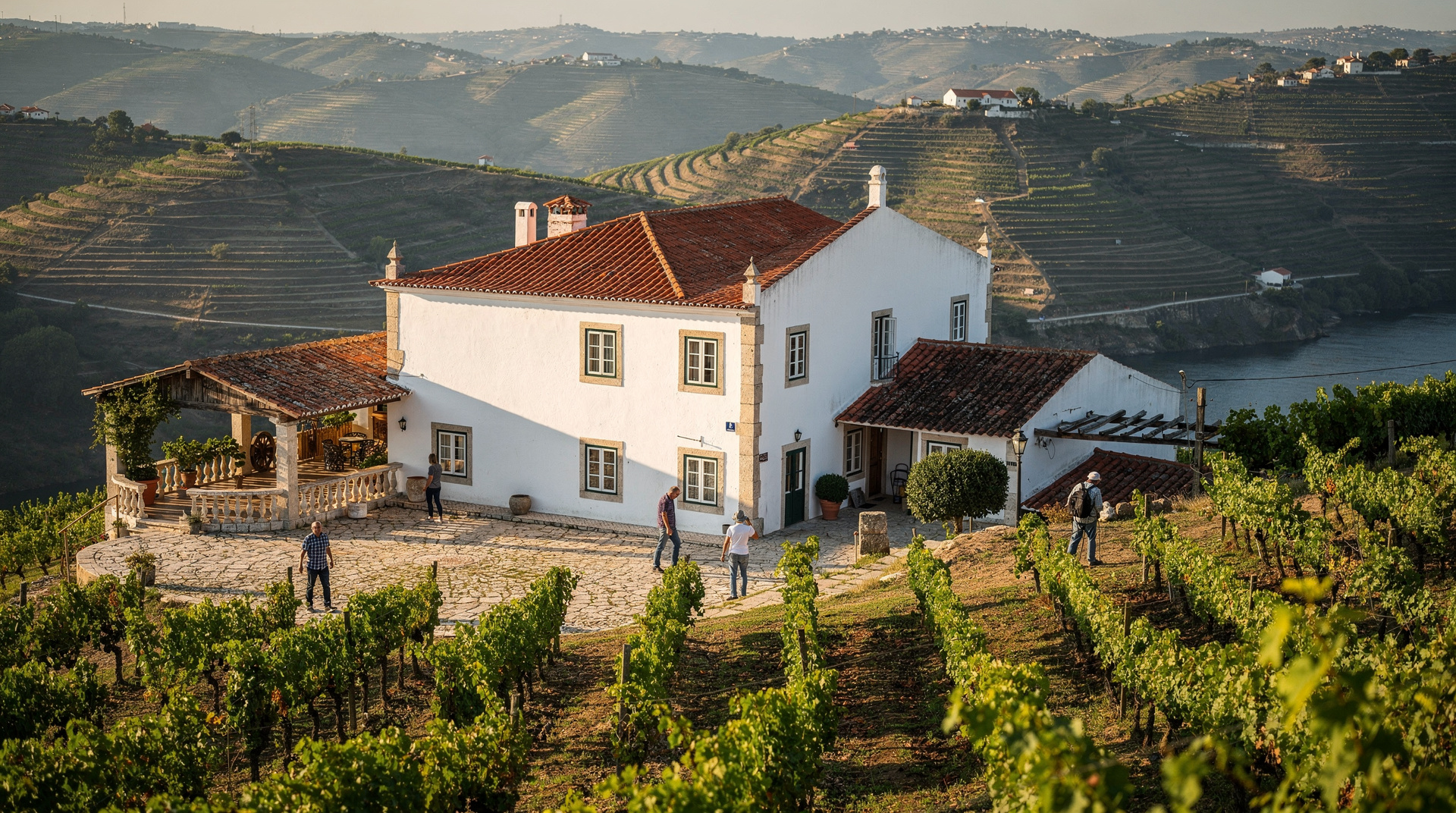
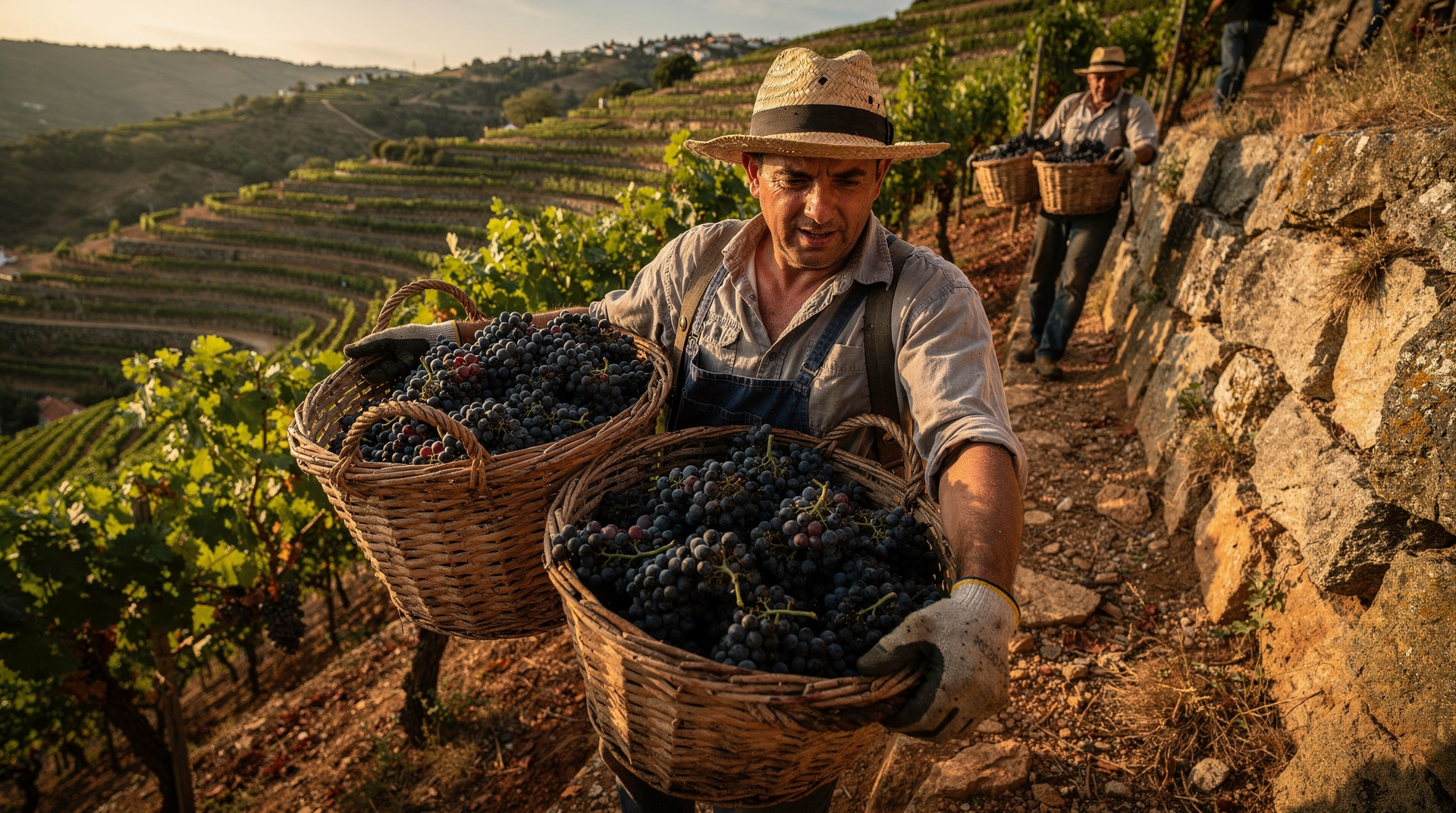
An Amarante wine and food experience combines the town’s cultural highlights with local gastronomyThe pastry culture — why the cafés matter
Amarante’s pastry tradition comes from the same source as Portugal’s broader confectionery culture: the convents. For centuries, Portuguese religious institutions produced elaborate egg-yolk and sugar sweets as both subsistence and commerce. When the convents were dissolved in 1834, their recipes passed into local bakeries and cafés where they have been maintained with varying degrees of authenticity.
What to try:
Toucinho do céu: Literally “bacon from heaven” — a dense, moist cake made from almonds, egg yolks, and sugar with no actual bacon involved. The name refers to the religious origin (convent sweet) and the richness. Amarante’s version is among the better regional interpretations.
Bolos de mel: Dense honey cakes using local mountain honey, spices, and wheat flour. Different from the Madeiran version of the same name — the Amarante bolo de mel is more like a dense spiced pound cake than a gingerbread.
Doces de São Gonçalo: The most notable local speciality, sold primarily during the São Gonçalo festival in June: phallic-shaped pastries given as gifts between young men and women, a pre-Christian fertility tradition surviving within a Christian festival. They are available year-round in some Amarante pastelarias and represent one of those genuinely unusual cultural food experiences.
Pastelaria Confeitaria da Ponte: The most visited café in Amarante, directly opposite the bridge on the main street (Rua 31 de Janeiro). The terrace overlooks the Tamega and has the bridge composition visible from your table. The quality of the pastries is reliable; the prices are modest (coffee €1.20, pastries €1.50–2.50). This is the correct place to sit in Amarante — the view from the terrace is the defining Amarante experience.
Confeitaria Portuguesa: An older established pastelaria in the town center with a broader range of regional confectionery. Worth visiting for the toucinho do céu if the Confeitaria da Ponte is full.
Vinho Verde and the local wine tradition
The hills around Amarante are part of the Vinho Verde wine region — specifically the Baião sub-region, which produces wines with slightly different character from the coastal Vinho Verde of Minho. Amarante-area Vinho Verde tends to be slightly fuller-bodied and lower in CO2 than the coastal versions, with more of the mineral, fruit-forward character of wines from higher elevations.
Where to drink local wine: The restaurants around Amarante serve local Vinho Verde by the glass and carafe at honest prices (€1.50–2.50 per glass, €5–8 for half a litre). Look for wines labelled Baião or simply ask the restaurant for the local wine — most serve regional production by default.
Buying to take home: Several wine shops in the town center stock local Vinho Verde producers. Quinta da Lixa and Quinta de Covela are two of the better-known producers from this sub-region — wines of genuine quality at €6–12 per bottle.
An Amarante and Braga combined day tour covers both towns efficiently with a guideCombining Amarante with other destinations
Amarante’s geographical position — between Porto, Braga, and the Douro Valley — makes it a natural stopping point on several itineraries.
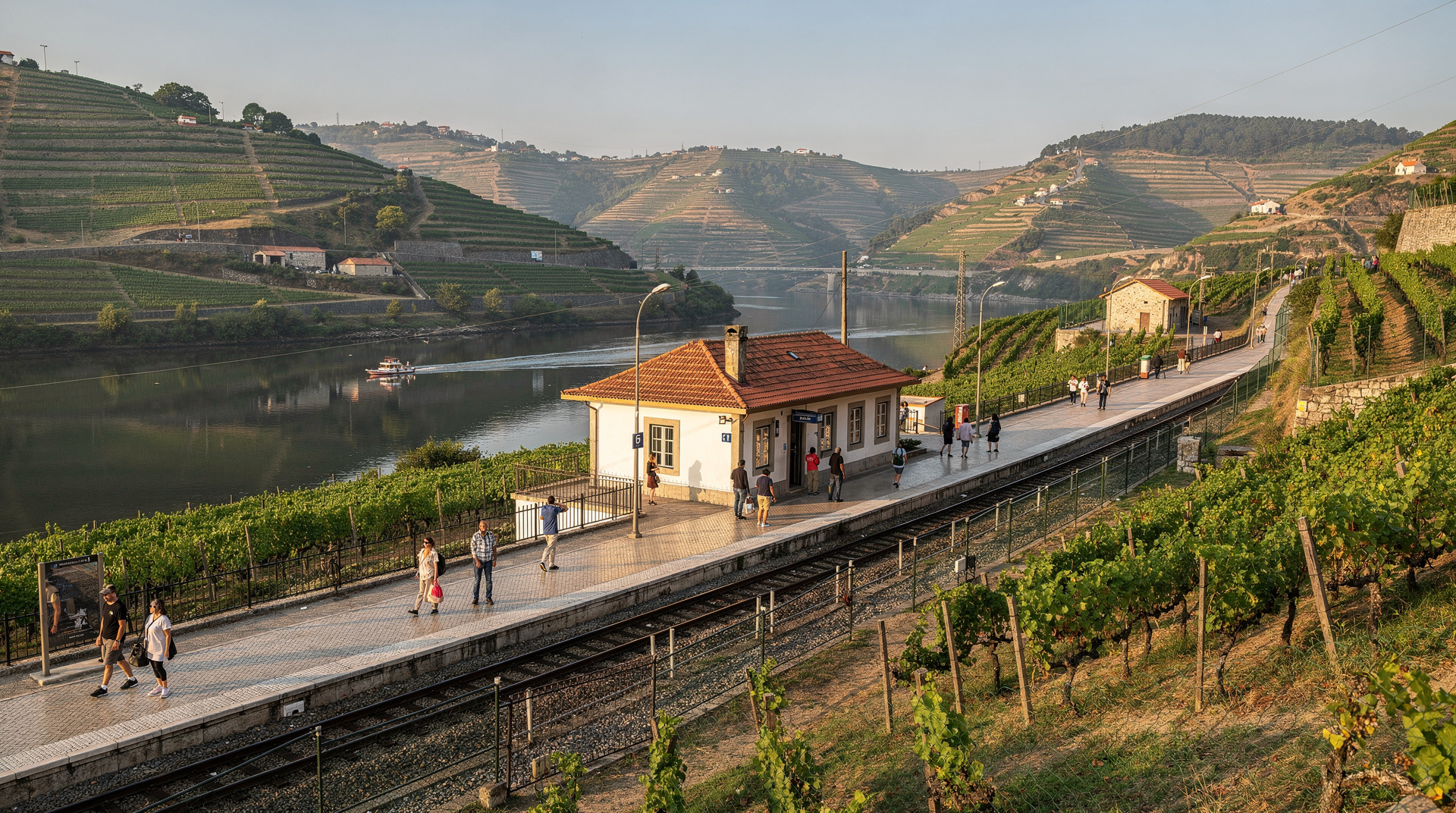
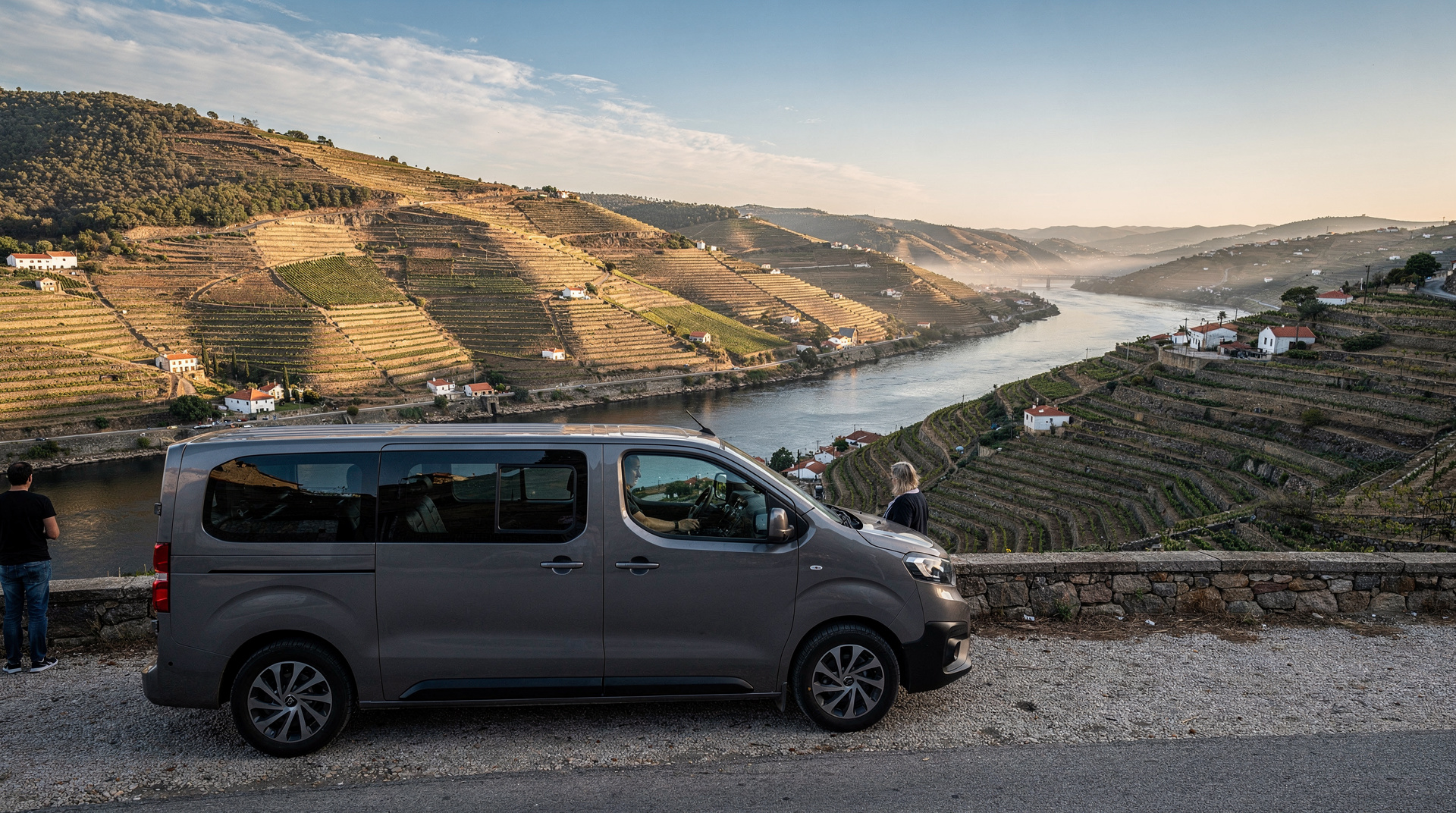
Amarante + Douro Valley: The most natural combination for visitors interested in wine and landscape. Amarante in the morning (2–3 hours), then drive east to Régua or Pinhão for an afternoon quinta visit. Total driving day is manageable. The Douro Valley day trip guide and the Peso da Régua guide cover the valley portion.
Amarante + Braga or Guimarães: Amarante is 45 km south of Braga and 40 km southeast of Guimarães. A combined visit covering all three would be very ambitious in a single day; Amarante + one of the northern cities works better. The half-day Amarante tour from Porto is a focused option if you only have a morning.
Amarante as a standalone day trip: A full day in Amarante — monastery and bridge, lunch, an afternoon walk along the Tamega riverbank, possibly a visit to the Museu Amadeo de Souza-Cardoso — gives a complete, unhurried visit to one of the most underrated towns in the Porto region. For a broader view of how Amarante compares with Porto’s other day trips, see the best day trips from Porto guide.
Museu Amadeo de Souza-Cardoso
The Museu Amadeo de Souza-Cardoso is a municipal modern art museum housed in the former Amarante convent, dedicated to the Amarante-born painter Amadeo de Souza-Cardoso (1887–1918) — one of the most important Portuguese modern artists, a contemporary of Modigliani, Picasso, and Delaunay in early-20th century Paris. He died at 31 during the Spanish flu pandemic.
The museum’s collection of Souza-Cardoso’s work is the most significant in Portugal — including Portuguese Cubist and Expressionist works alongside drawings and sketches that show his Paris period. The building (a 16th-century convent interior with contemporary exhibition rooms) is also architecturally interesting.
Entry: approximately €3–5. Closed on Mondays. The museum is small enough to see in an hour; the permanent collection is the main interest.
The São Gonçalo festival — June, first weekend
The Festa de São Gonçalo in early June is Amarante’s major annual festival and one of the more unusual Portuguese religious celebrations. The festival honours the patron saint and is most famous for the tradition of giving the phallic-shaped doces de São Gonçalo sweets — young men and women exchange these as tokens of romantic interest, a tradition that has coexisted with Christian celebration for centuries.
The festival atmosphere transforms Amarante: street markets, live music, fireworks, and the religious procession through the town are surrounded by the pastry stalls selling the characteristic sweets. For visitors with an interest in Portuguese folk culture, this is one of the most authentic and unaffected local festivals in the region.
Practical note: Accommodation books out well in advance for the festival weekend. The town is very crowded on the Saturday; easier to visit on the Friday or Sunday if you want the festival atmosphere without the peak crowds.
Where to eat in Amarante
Restaurante Largo do Paço: Upmarket Amarante restaurant with a terrace near the monastery. Portuguese cuisine with good local wine list. Expect €22–32 per person for a full meal. Worth booking ahead for lunch on weekends.
Tasca da Ponte: More casual, near the bridge, with traditional regional cooking at honest prices. The caldo verde (potato and kale soup), presunto (smoked ham), and grilled chicken with local wine are the reliable choices. €10–15 per person.
Café Pastelaria do Paço: In the town center, small and local, good for a simple lunch of the day (prato do dia) — typically €8–10 including bread and drink. Not tourist-facing; the lunch menu depends on what was cooked that morning.
A half-day walking route through Amarante
For visitors with limited time, this sequence covers Amarante’s essential sights in around three hours without doubling back unnecessarily.
Start at the Ponte de São Gonçalo (10 minutes): Walk onto the bridge itself first, looking back at the monastery and old town from the middle span — this is the composition that appears on every postcard, and seeing it from the water level up gives context for everything that follows.
Igreja e Mosteiro de São Gonçalo (30–40 minutes): Cross to the north bank and enter the church. Spend time in the nave looking at the gilded woodwork, then find the saint’s tomb niche where pilgrims touch the worn stone hands. If the cloister is open, the small entry fee is worth it for the quieter Renaissance arcade and garden views.
Rua 31 de Janeiro and the riverside cafés (20 minutes): Walk the main street parallel to the river, browsing the small shops selling local wine and pastries.
Coffee and pastries at Confeitaria da Ponte (30 minutes): Sit on the terrace directly opposite the bridge. This is the correct pause point in an Amarante visit — do not rush it.
Museu Amadeo de Souza-Cardoso (45–60 minutes): A short walk from the bridge, housed in the former convent. Worth the modest entry fee even for visitors without a strong prior interest in modern art — the setting alone justifies the stop.
Riverside walk (30–45 minutes, optional): If time allows, walk east along the Tamega riverbank path beyond the town centre for a quieter, greener perspective before returning to the bridge for a final look.
This sequence works equally well split across a longer, more relaxed day if you are also fitting in lunch at one of the restaurants near the bridge, or combining the visit with a nearby Douro Valley stop.
Frequently asked questions about Amarante
Can I visit Amarante without a car?
Yes — the bus from Porto (Campo 24 de Agosto terminal) runs several times daily to Amarante, approximately 1.5 hours. The bus stop in Amarante is close to the town center and the bridge. For the town itself, everything is walkable. Without a car, Amarante works as a town visit without the ability to extend into the surrounding hills or connect easily to other day trip destinations.
What is the Tamega river like for walking?
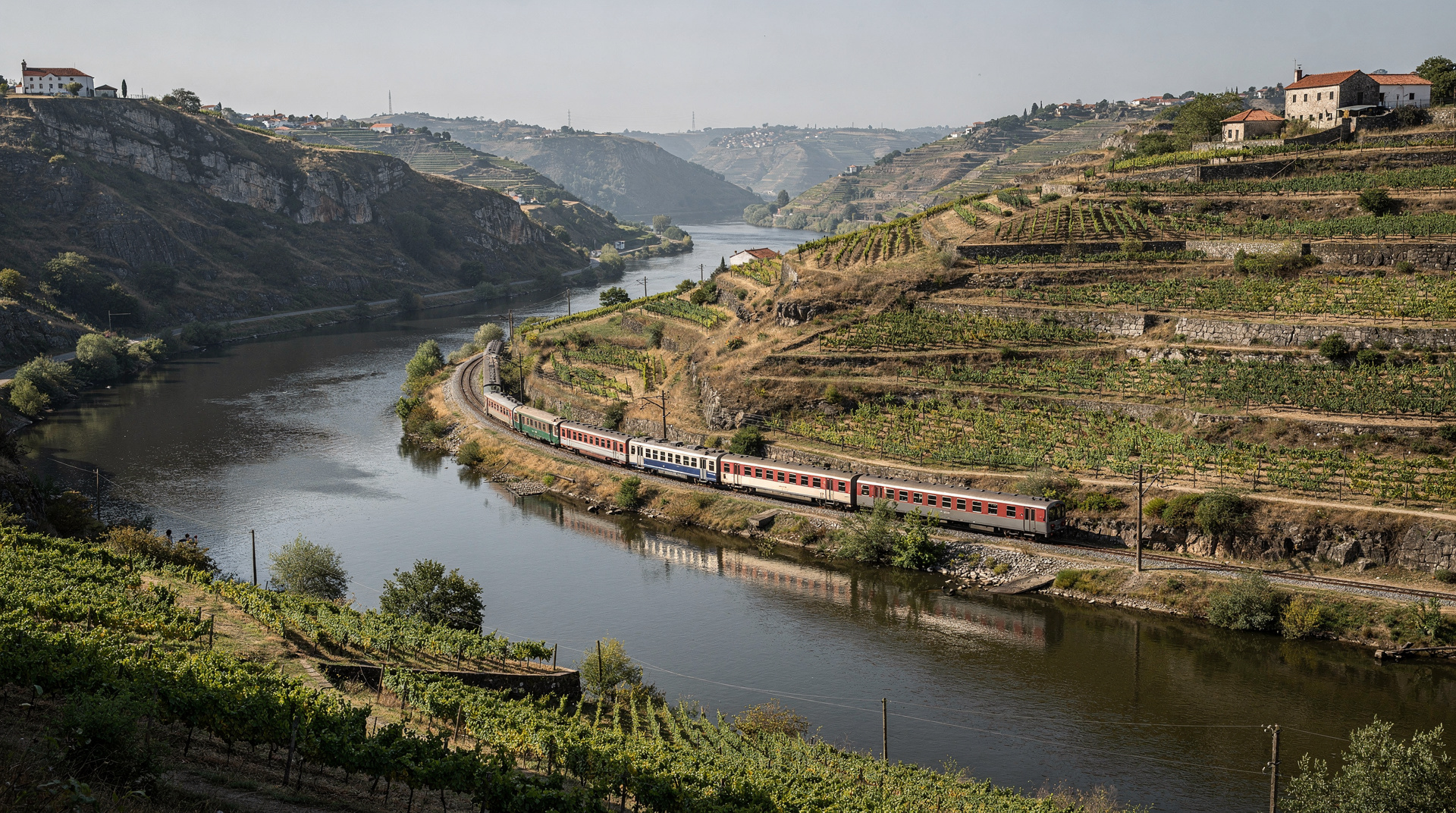
The Tamega riverbank from the Ponte de São Gonçalo eastward has a pleasant walking path that extends for several kilometres along the river. The path passes under the old railway viaduct (the Douro-Tâmega line was closed in 2009 but the infrastructure remains) and into the rural valley beyond the town. A 2–3 km walk along the river and back gives a different perspective on Amarante from the town streets.
Is Amarante included in any organised day tours from Porto?
Yes — several day tours from Porto include Amarante as a stop alongside the Douro Valley or alongside Braga and Guimarães. The Douro Valley day trip options and the broader northern Portugal tour formats include Amarante as a transit stop. If Amarante is a specific interest rather than an incidental stop, visiting independently allows more time in the town.
What is Amarante like in winter?
Quieter, cooler, and greener than summer. The Tamega runs higher in winter and the surrounding hills are lush. The cafés and pastry shops operate normally; some restaurants may have reduced hours. The monastery and museum are open on their standard schedules. For visitors who prefer Portuguese towns without tourist crowds, January–March in Amarante is excellent. If Amarante whets an appetite for more Vinho Verde country, the Vinho Verde guide covers the wider region.
Frequently asked questions — Amarante guide — the São Gonçalo bridge, pastelarias and Douro wine stop
How do I get to Amarante from Porto?
By car: approximately 50–60 minutes on the A4 motorway east from Porto. By bus: Rede Expressos and Transdev run services from Porto's Campo 24 de Agosto bus terminal to Amarante, approximately 1.5 hours. There is no direct train to Amarante — the nearest rail connection is Livração station, approximately 6 km from town, on the Douro line. The bus is the practical public transport option.Who is São Gonçalo and why is he significant in Amarante?
São Gonçalo (Saint Gonçalo) is the patron saint of Amarante and one of the most popular popular saints in northern Portugal, associated with matchmaking and marriage. The legend holds that he built the first bridge over the Tamega river at Amarante in the 13th century using only divine assistance. His tomb is inside the monastery church, and the São Gonçalo festival (held in June, first weekend) is celebrated with gifts of phallic-shaped pastries — one of Portugal's more unusual religious festival traditions.What is the bridge at Amarante?
The Ponte de São Gonçalo is an 18th-century granite arch bridge over the Tamega river, built between 1790 and 1806 after the previous medieval bridge collapsed in a flood. The current bridge was designed by the Freirian Manoel de Sousa Cyrne. It was the site of a famous resistance battle in May 1809 during the Peninsular War, when a small Portuguese force held the bridge against Napoleon's army for two weeks. The bridge and the monastery behind it form the classic Amarante composition.What local food is Amarante known for?
Amarante has a strong pastry culture centered on the convent sweets tradition: bolos de mel (honey cakes), toucinho do céu (almond and egg yolk cake), and the suggestively shaped doces de São Gonçalo sold during the festival. The local wine tradition includes Vinho Verde wines from the sub-region around Amarante, which tend to be slightly fuller-bodied than coastal Vinho Verde. Smoked sausages, presunto, and cheeses from the Marão mountains are also local specialities.Can I combine Amarante with a Douro Valley visit in one day?
Yes — Amarante sits on the route between Porto and the Douro Valley, approximately 25 km west of Régua. A combined day visiting Amarante in the morning and a Douro quinta in the afternoon is feasible by car. Allow 2–3 hours in Amarante (bridge, monastery, lunch or café stop) before continuing to Régua or Pinhão. The total driving day is long but manageable.Is Amarante worth visiting if I only have one day for the Douro region?
If Douro Valley wine country is the priority, spend the full day there rather than splitting time with Amarante — the quintas and river landscape need unhurried time. Amarante fits better as an add-on to a Braga or Guimarães day, or as its own relaxed half-day trip, than as a rushed stop squeezed before a Douro wine visit.
Top experiences
Bookable activities with verified prices and instant confirmation on GetYourGuide.