Mercado do Bolhão — the honest guide to Porto's famous market
Porto: Local Market Cooking Class
Is Mercado do Bolhão worth visiting?
Yes — the renovated building is beautiful and the authentic stalls (cheeses, olives, vegetables, flowers) are genuinely excellent. Go on a weekday morning before 11 am for the least touristy experience. The ground floor is more authentic than the upper level, which skews more toward food stalls and souvenir-adjacent products.
The market Porto nearly lost
Mercado do Bolhão has been at the centre of Porto’s food and social life since 1914, when the iron and glass structure was inaugurated in the Baixa neighbourhood. For over a century, the market was the place where Porto residents bought their vegetables, fish, flowers and cured meats — not as a tourist experience but as a functional part of daily life.
By the 2010s, the building was in serious physical decline. The iron structure was rusting, the drainage was failing, and the city faced a choice between restoration and demolition. The renovation announced in 2018 closed the market for four years — a closure that was genuinely disruptive to the vendors who had operated there for generations, and deeply controversial among Porto residents who feared that the renovated version would price out the original traders.
Mercado do Bolhão reopened in September 2022. This guide tells you honestly what returned, what didn’t, and how to make the most of a visit in 2026.
| Where | Rua Formosa, Baixa-Aliados |
| Cost | Free to enter; budget a few euros for tastings and small purchases |
| Time needed | 20-30 minutes for a walk-through, 1 hour+ for proper shopping |
| Getting there | Bolhão metro station (lines B, C, E, F), or 10 minutes uphill from São Bento |
| Best time | Weekday morning before 11 am |
The building
The 2022 renovation restored the 1914 iron and glass structure while substantially improving the physical infrastructure — new drainage, proper refrigeration, improved lighting, accessible entrances. The main hall retains the original two-level iron gallery structure: a central open courtyard with vendor stalls on the ground floor, and a wraparound upper gallery with additional stalls and food service.
The building is genuinely beautiful in the way that well-restored Victorian market halls tend to be — high ceilings, abundant natural light from the glass roof panels, a sense of scale that the previous decayed state had obscured. Porto residents who remember the old Bolhão describe a mix of relief (the building survived) and ambivalence (the atmosphere changed with the renovation).
The main entrance is on Rua Formosa. A secondary entrance on Rua de Fernandes Tomás is less used and often quieter. The building is fully accessible, which the previous market was not.
What’s authentic and what’s tourist-facing
The honest assessment of Bolhão post-renovation is that it contains two parallel experiences in the same building.
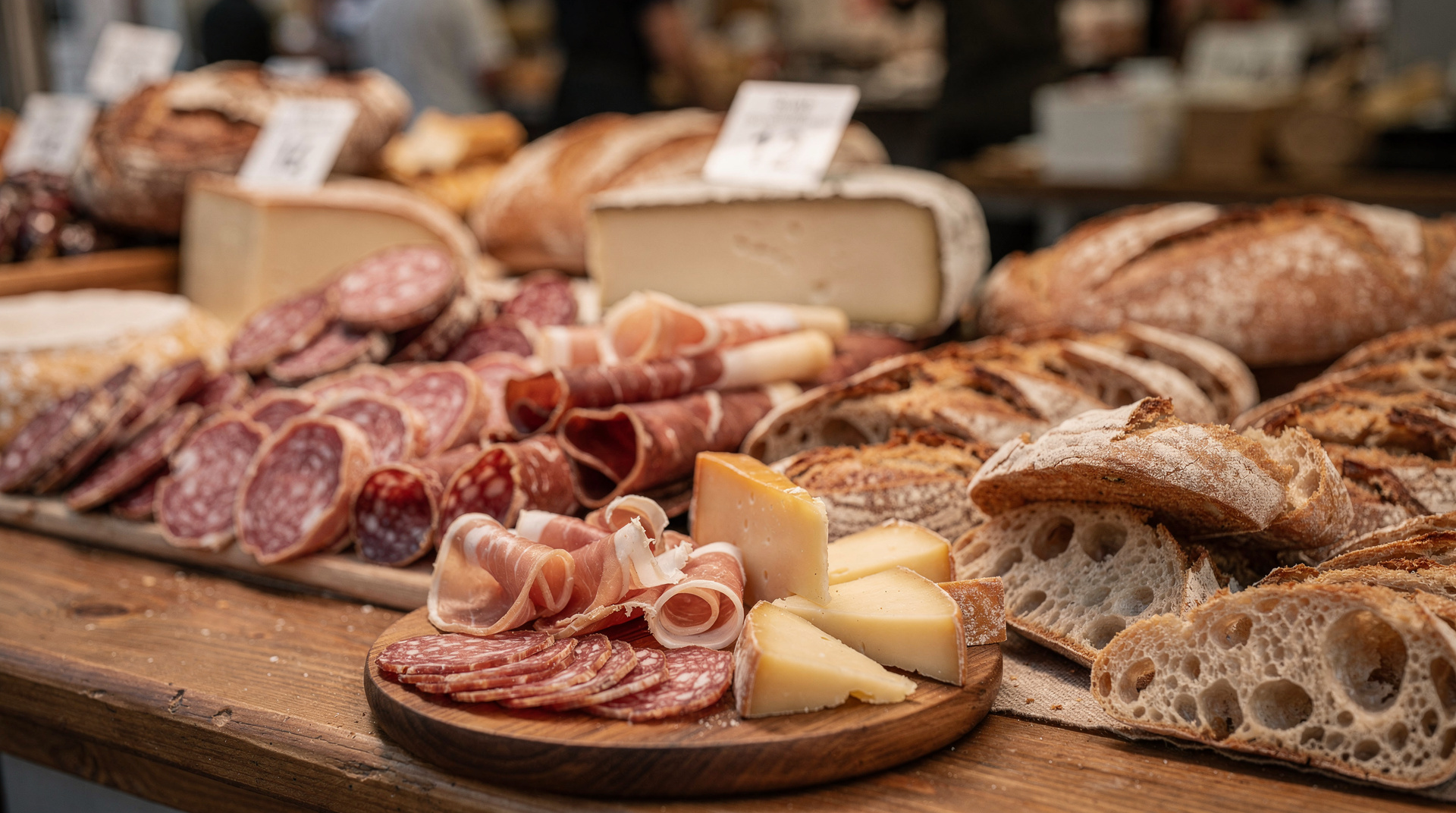
The authentic ground floor: The inner stalls of the ground level — the cheese vendors, the olive and pickle sellers, the flower stalls, the presunto and chouriço counters, the dried goods sellers — represent the market as it has always existed, and they are genuinely excellent. The cheese selection at the specialist counters includes Serra da Estrela, Queijo de Azeitão, regional goat cheeses and cured varieties that would take significant effort to source in this quality outside a specialist shop. The olive and preserved vegetable stalls have depth that supermarkets do not approach.
The flower sellers occupy the most historically significant positions in the market — the flower stalls at Bolhão have been staffed by women (floristas) from Porto’s surrounding villages for generations, and several of the current vendors have been at the same stall for decades. Buying a small bunch of flowers here is one of the most Porto experiences available in the city.
The tourist-facing upper level: The upper level and the stalls near the Rua Formosa entrance are primarily aimed at visitors rather than local shoppers. Food stalls serving petiscos plates, grilled fish sandwiches and tourist-friendly snacks are concentrated here, alongside a few stalls selling packaged Porto products (wine, port, ginjinha, sardine tins) at prices above what you would pay in a shop on the same street.
The food quality on the upper level varies. The grilled fish stalls can be good; the petiscos plates are serviceable. The prices are tourist-adjusted — a lunch plate here runs 10-15 €, which is fair for the setting but more than the equivalent in a street-level tasca. There is no sense of being cheated at the prices; they are simply higher than the local market rate, which is what you expect in a renovated tourist-accessible market hall.
How to visit Bolhão properly
Timing: A weekday morning before 11 am is when the market most resembles itself. The flower sellers and cheese vendors are fully set up, the produce counters have their full range, and the crowd is a mix of older Porto residents doing their shopping and a moderate number of visitors. By midday on weekends, the tourist proportion is higher and the queues at food stalls are longer.
Route: Enter from Rua Fernandes Tomás (the less obvious entrance) for a slower introduction to the ground floor. Work the inner stalls before moving toward the Rua Formosa end. The upper level is worth a circuit for the view of the hall from above and for the food stalls if you want lunch, but the interesting buying is mostly on the ground.
What to look for: Follow what the older local shoppers are examining. The vendors who have been there for decades tend to be selling the most authentic products at the most honest prices. Handwritten price signs in Portuguese without photos or translations generally indicate a stall aimed at locals rather than visitors.
What to buy — and what to skip
Worth buying:
- Cheese: Serra da Estrela (runny, tangy, eaten with a spoon from the rind) or aged versions; Queijo de Nisa; regional goat cheese. Prices from the specialist counters are fair and the quality is significantly above supermarket level.
- Presunto and chouriço: The cured ham and smoked sausages from Alentejo and Trás-os-Montes at the charcuterie stalls are excellent. Most vendors will slice to order and vacuum-pack for travel.
- Olives and pickles: The bulk olive selection includes varieties you won’t find jarred — small green Galega olives, smoked black olives, large cracked olives with herbs. A 100g scoop costs 1-3 €.
- Fresh flowers: A small bunch from the florista stalls costs 3-8 € and is the most Porto souvenir you can take back to your accommodation.
- Bacalhau (dried salt cod): The specialist cod stalls sell dried bacalhau by weight in different sizes and salt levels. Buying bacalhau at Bolhão and attempting to prepare it at home is ambitious (it requires 24-48 hours of soaking and multiple water changes) but the quality is excellent. Many stalls will advise on preparation. If you are staying in a self-catering apartment and want a lower-effort option, ask the vendor for a pre-soaked or smaller cut — some stalls carry these for exactly this reason.
- Honey and preserves: Local honey from Minho and the Douro interior, fig jam, medronho (arbutus berry spirit).
Worth skipping:
- Packaged port wine, sardine tins and ginjinha at the tourist-facing stalls — these are widely available at comparable or lower prices at Napoleão wine shop (Rua das Flores 428) or the specialist shops on Rua de Mouzinho da Silveira.
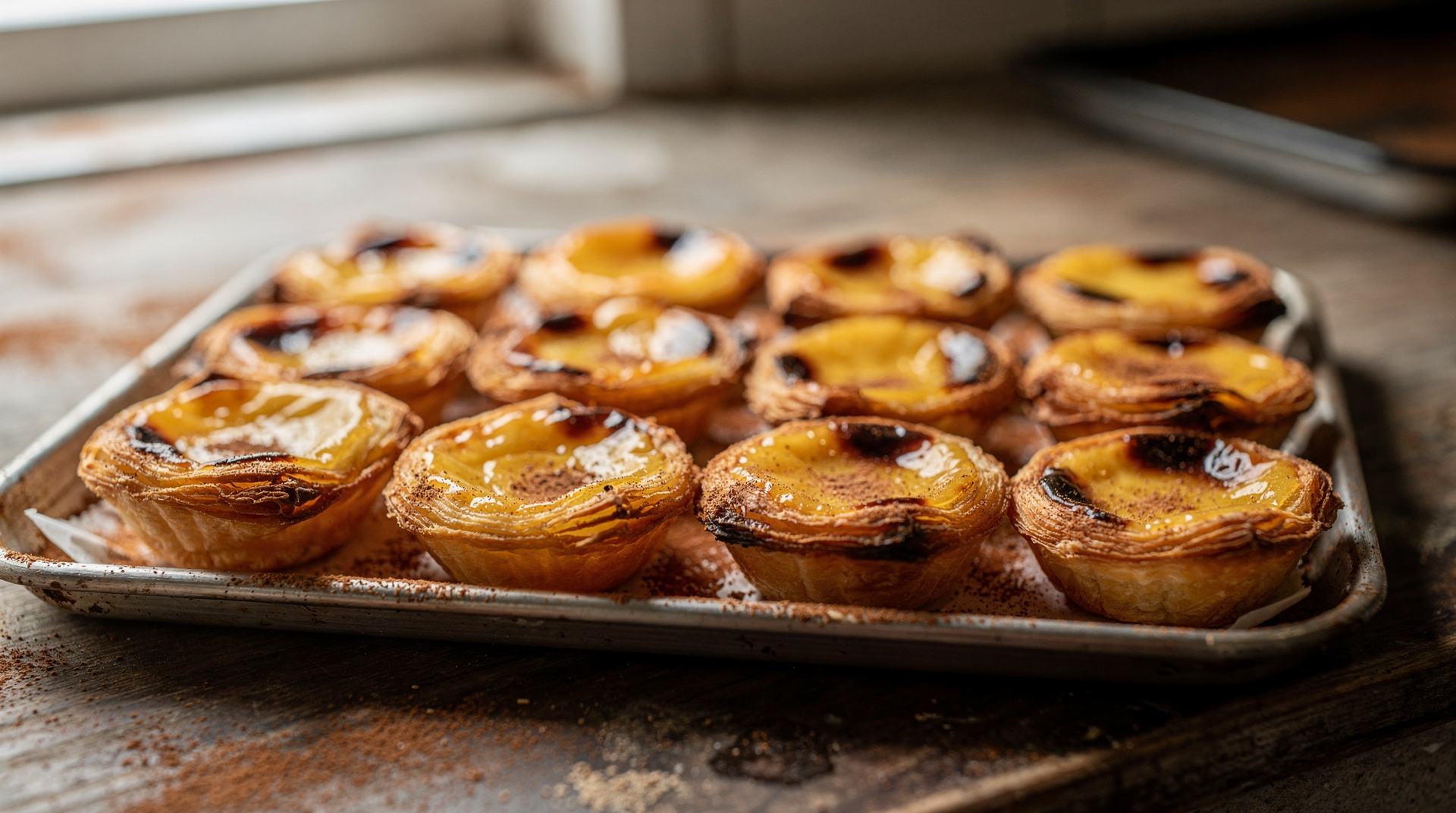
- Pre-packaged pastéis de nata to take away — go to Confeitaria do Bolhão (Rua Formosa 339, just outside the market, since 1896) or Manteigaria for a fresh-made version.
Eating at Bolhão
The upper level has a dozen-plus food stalls. A reasonable lunch is available if you know which stalls to choose:
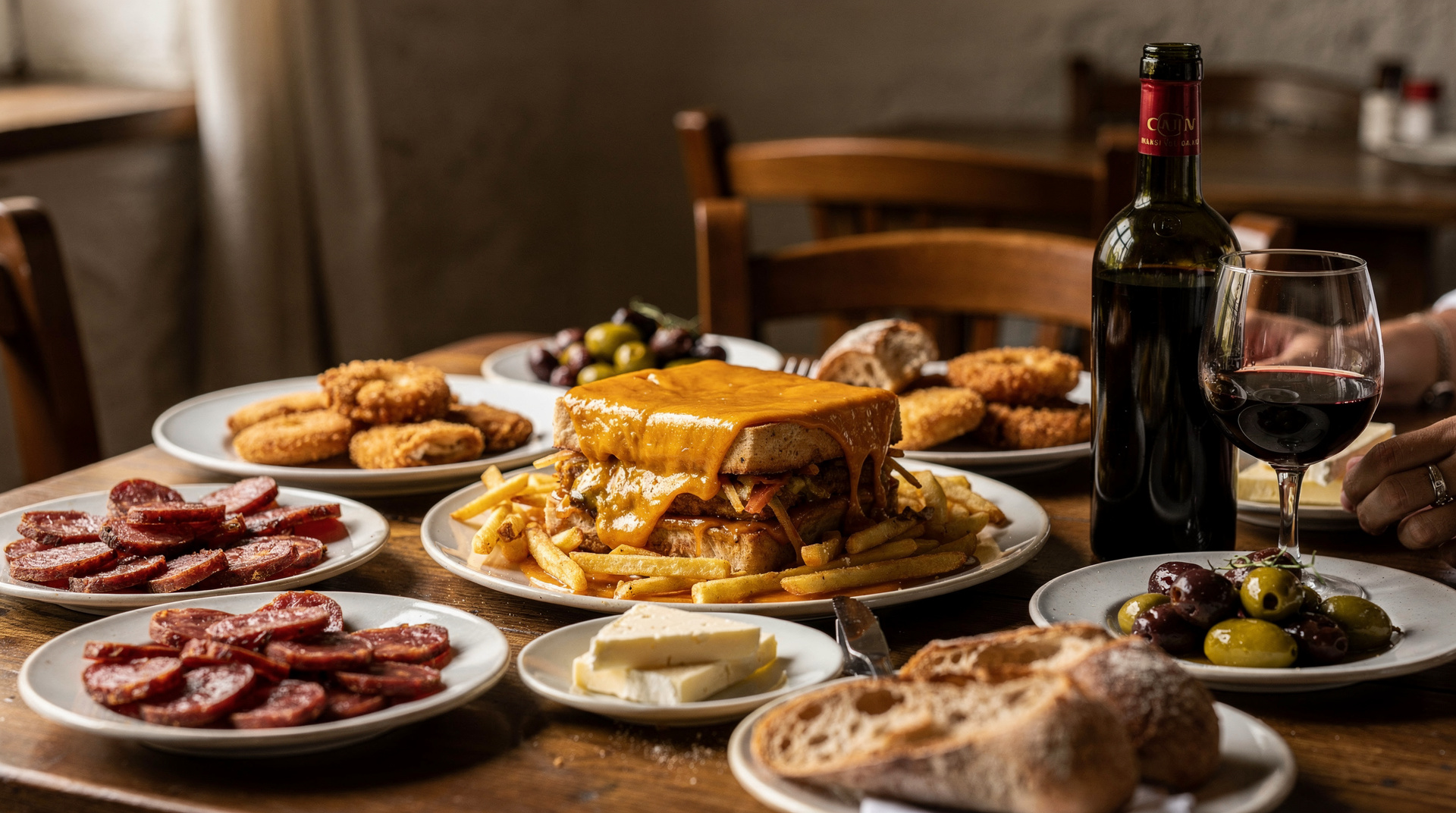
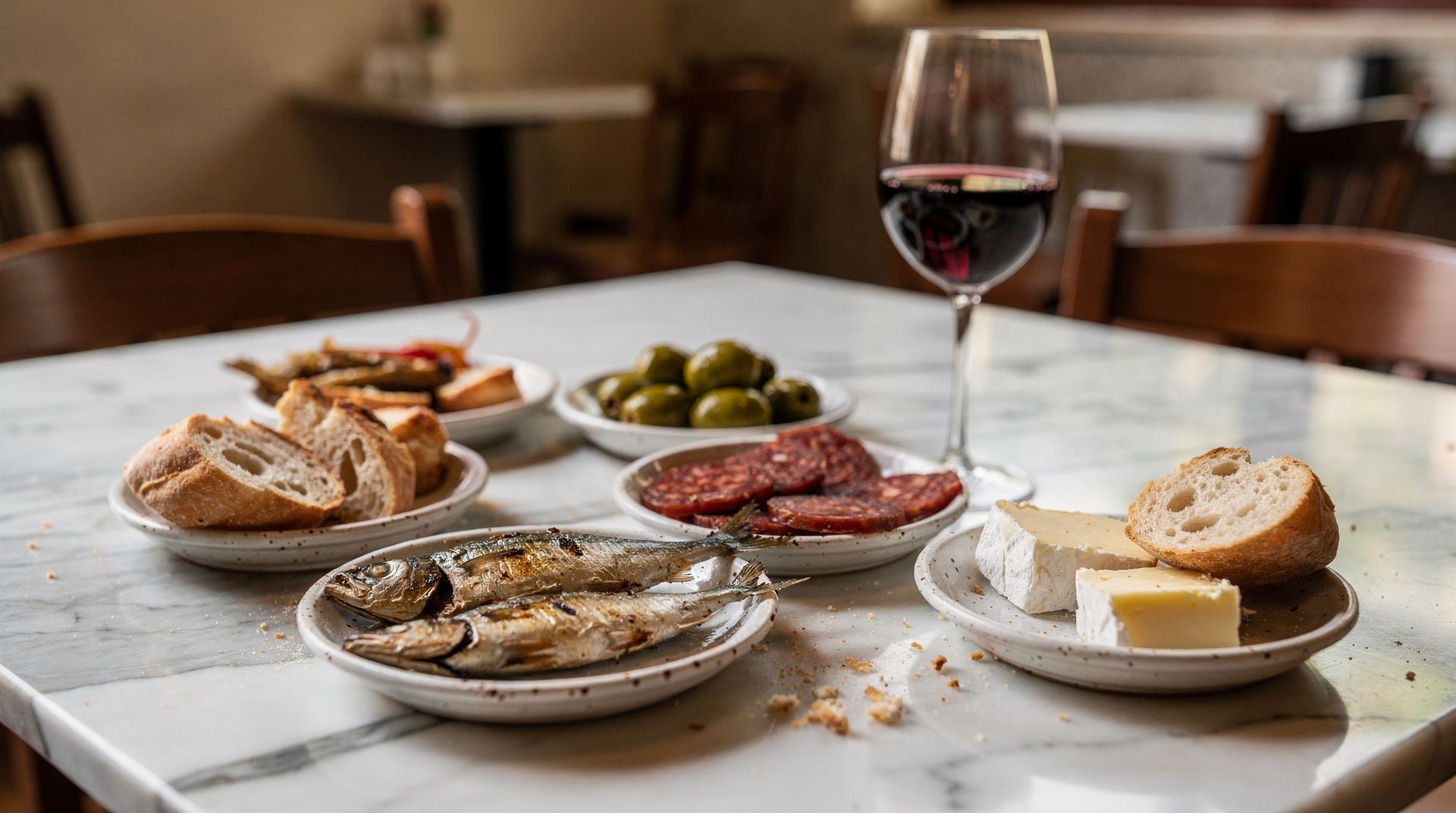
Best options: Grilled fresh fish (look for vendors displaying the day’s catch with prices clearly shown by species and weight), traditional petiscos plates combining different small dishes, and bacalhau in at least one preparation. Prices for a reasonable lunch plate run 10-14 € including a drink.
Skip: The stalls offering fancier fusion preparations (things described as “tapas” with non-Portuguese ingredients) tend to have the highest prices and the least connection to the market’s character.
The best strategy for eating near Bolhão is to buy picnic items from the market itself — cheese, chouriço, bread from the bakery vendor inside, olives — and eat them in Jardim de João Chagas (the garden a five-minute walk north) rather than eating at the market stalls.
Bolhão in context: the neighbourhood
The market sits in the Baixa-Aliados neighbourhood, a few minutes’ walk from Avenida dos Aliados and the Aliados metro station. The streets immediately around it (Rua Formosa, Rua de Sá da Bandeira, Rua de Fernandes Tomás) have several traditional Portuguese shops that predate the tourism wave — shoe repair workshops, haberdasheries, small grocery shops — and are worth walking as a complement to the market visit.
Confeitaria do Bolhão at Rua Formosa 339 is worth the stop before or after the market — a traditional pastry shop operating since 1896 with excellent pastéis de nata, travesseiros (almond puff pastry) and a coffee that qualifies as a proper bica. It is not the cheapest option on the block but it is the most historically grounded.
For the porto-foodie-weekend itinerary, a Bolhão morning slots naturally into the first day before a food tour in the afternoon. The market and a cooking class make a logical full morning: buy your ingredients at Bolhão, cook them at the class.
Combining with a food tour or cooking class
Several food tours begin at Bolhão precisely because the market provides the context for everything that follows. The market and cooking class combination visits Bolhão to buy ingredients, then uses them in a cooking session — the most direct way to understand the connection between the market’s produce and the dishes it underpins.
The market cooking class variant is similar in format and worth comparing against the first option depending on which dishes the session covers and which neighbourhood the cooking takes place in.
For a broader food tour that passes through Bolhão as one stop among several, the food tour guide covers the main options.
Getting there
Bolhão market is central and walkable from most Porto accommodation. The Bolhão metro station (line B, C, E, F) is directly adjacent — named after the market. From São Bento station, it’s an uphill 10-minute walk along Rua de Sá da Bandeira.
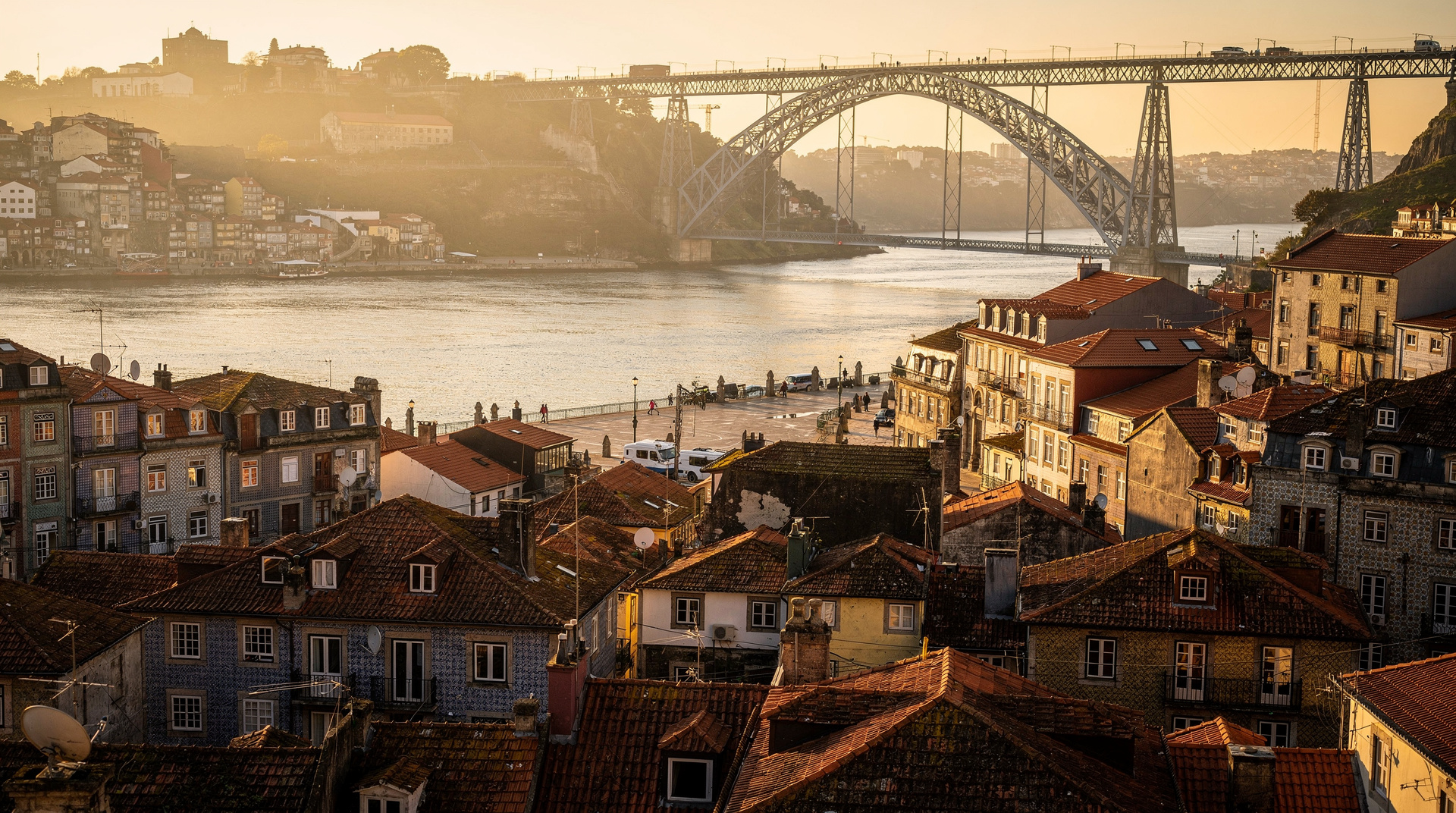
From Ribeira waterfront: approximately 15-20 minutes on foot uphill. A taxi is unnecessary for this distance — the walk through the historic streets is part of the experience.
Bolhão vs a supermarket: what’s actually worth the premium
Not everything at Bolhão is cheaper or better than a supermarket, and the honest comparison depends on the product:
| Product | Bolhão advantage | Supermarket advantage |
|---|---|---|
| Aged cheese, cured ham | Significantly better quality and selection | Cheaper for everyday cooking cheese |
| Fresh flowers | Best quality and value, market-specific | Limited selection |
| Bulk olives, pickles | Wider variety, buy exactly the amount you want | Cheaper for a single jar |
| Bacalhau (dried cod) | Specialist advice on cut and salt level | Pre-packaged, less guidance |
| Packaged souvenirs | None — priced at a premium | Same products, lower prices at shops on Rua das Flores |
The rule of thumb: buy fresh, perishable and specialist products at Bolhão; skip the packaged souvenir stalls entirely.
A note on prices in 2026: Post-renovation rents pushed some stall prices upward compared with the pre-2018 market, and vendors are candid about this if you ask. The gap between Bolhão and a supermarket for the specialist items above has narrowed slightly since reopening, but the quality difference on cheese, charcuterie and flowers remains large enough to justify the modest premium.
Visiting with the porto-cooking-class-guide in mind
If a cooking class is part of your Porto plans, timing a Bolhão visit for the same morning has a practical benefit beyond atmosphere: several class formats ask participants to select or discuss ingredients, and having already seen the cheese counters, the cod sellers and the produce stalls in person makes those conversations more concrete. Even without a class booked, the market is a useful primer for understanding what shows up on Porto restaurant menus — the same cheeses, cured meats and bacalhau varieties reappear throughout the city’s petiscos and tasca culture covered in the petiscos and tascas guide.
Frequently asked questions about Mercado do Bolhão
What are Mercado do Bolhão’s opening hours?
Open Monday to Friday 8:00 am to 8:00 pm, Saturday 8:00 am to 6:00 pm. Closed Sunday. Visit before noon for the fullest range of stalls operating.
When did Mercado do Bolhão reopen after renovation?
Mercado do Bolhão reopened in September 2022 after a renovation that began in 2018. The four-year closure was controversial among Porto residents concerned about gentrification of the traditional vendors.
Is Mercado do Bolhão touristy?
It has become more tourist-oriented since the renovation, particularly on the upper level. The ground floor retains genuine market character and is worth visiting for the cheese, charcuterie, flowers and produce vendors.
What should I buy at Mercado do Bolhão?
Best purchases: aged cheese, presunto and chouriço, fresh flowers, bulk olives and pickles, honey and preserves, and bacalhau from the specialist cod vendors. Avoid packaged Porto souvenirs — better priced at specialist shops on Rua das Flores.
Can I eat lunch at Mercado do Bolhão?
Yes — several stalls on the upper level serve grilled fish, petiscos and hot dishes. Prices run 10-15 € for a reasonable plate. An alternative is to buy picnic ingredients from the market stalls and eat in a nearby garden.
How does Mercado do Bolhão compare to other Portuguese markets?
Bolhão is smaller and more specialist than Lisbon’s Mercado da Ribeira and has a more authentic character despite the renovation. It is a working market rather than a food hall — the distinction matters for how you approach the visit.
Is Mercado do Bolhão worth it for a short visit?
Yes — even 20-30 minutes covers the flower stalls, cheese counters and the restored hall itself, and it fits naturally into a Baixa-Aliados morning without needing tickets or booking.
Frequently asked questions — Mercado do Bolhão — the honest guide to Porto's famous market
What are Mercado do Bolhão's opening hours?
Mercado do Bolhão is open Monday to Friday from 8:00 am to 8:00 pm, and Saturday from 8:00 am to 6:00 pm. The market is closed on Sundays. Individual vendor hours vary — fresh produce stalls often wrap up by early afternoon even on open days. Visit before noon for the fullest range of stalls operating.When did Mercado do Bolhão reopen after renovation?
Mercado do Bolhão reopened in September 2022 after a renovation that began in 2018. The four-year closure was controversial among Porto residents, with concerns that gentrification and rising rents would displace the traditional vendors who had defined the market's character. Some original vendors returned; others were priced out. The new building is considerably cleaner and more comfortable than the previous state.Is Mercado do Bolhão touristy?
It has become significantly more tourist-oriented since the renovation, particularly on the upper level where new food stalls cater to visitors rather than local shoppers. The ground floor retains genuine market character — cheese vendors, flower sellers, olive and pickle stands, butchers — and is worth visiting for these. The tourist-facing souvenir and food stall area is concentrated near the main entrance and the upper level.What should I buy at Mercado do Bolhão?
The best purchases are the products that are genuinely better here than in a supermarket: aged Serra da Estrela or Queijo de Azeitão cheese, hand-cured presunto ham, fresh flowers (particularly if you have a self-catering apartment), local honey, and dried bacalhau from the specialist cod sellers. Avoid packaged Porto souvenirs — they are priced at tourist rates and available cheaper elsewhere.How does Mercado do Bolhão compare to similar markets in Portugal?
Bolhão is smaller and more specialist than Mercado da Ribeira in Lisbon (Timeout Market) and has a more authentic character, even post-renovation. It is a working market rather than a food hall — the distinction matters. Serious food markets in Portugal tend to be in smaller cities; Bolhão is exceptional for a city of Porto's size and tourism volume.Can I eat lunch at Mercado do Bolhão?
Yes — several stalls on the upper level serve hot food suitable for a quick lunch: grilled fish sandwiches, petiscos plates, seafood rice. Quality varies considerably by stall. For a proper sit-down lunch with the market context, the stalls nearest the interior corridor are a safer bet than those positioned toward the tourist entrance.Is Mercado do Bolhão a good stop for a first-time visitor with limited time?
Yes, in short form. Even a 20-30 minute walk-through covers the flower stalls, the cheese and charcuterie counters, and a look at the restored iron-and-glass hall, without requiring a full shopping trip. It slots well into a Baixa-Aliados morning alongside Avenida dos Aliados and a pastel de nata stop, and it does not require advance booking or tickets.
Top experiences
Bookable activities with verified prices and instant confirmation on GetYourGuide.