Porto cooking classes — francesinha, pastel de nata, bacalhau
Porto: Porto Cooking Class with Local Market Visit
Are cooking classes in Porto worth it?
Yes, if you choose the right format. Market-to-table classes that start at Bolhão and cook what you buy are the most satisfying. Pastel de nata classes are accessible for all skill levels and you leave with a skill you can reproduce. Francesinha classes teach the sauce, which is the one part you can't recreate easily from a recipe.
Why a cooking class is one of Porto’s best experiences
A cooking class in Porto occupies an interesting middle ground between a food tour and a restaurant meal: you learn something practical, you eat what you’ve made, and you understand the dishes differently after making them yourself.
The reason to do a cooking class in Porto specifically, rather than just eating the food, is the sauce. Portuguese cooking is anchored in techniques — the slow development of the francesinha sauce, the precise moment when salt cod becomes flaky rather than rubbery, the exact temperature for a properly set pastel de nata custard — that are difficult to reverse-engineer from eating. A class teaches these in an hour or two in a way that translates directly to your kitchen at home.
This guide covers the formats available in Porto honestly, with a clear assessment of what each delivers and who it suits.
| Formats | Market-to-table, pastel de nata, francesinha, bacalhau |
| Cost | Around 40–90 €/person group; 90–150 € private |
| Time needed | 1.5–4 hours depending on format |
| Best for beginners | Pastel de nata class (no technique barrier) |
| Booking window | 3–5 days ahead in high season |
The three formats worth knowing
Market-to-table class
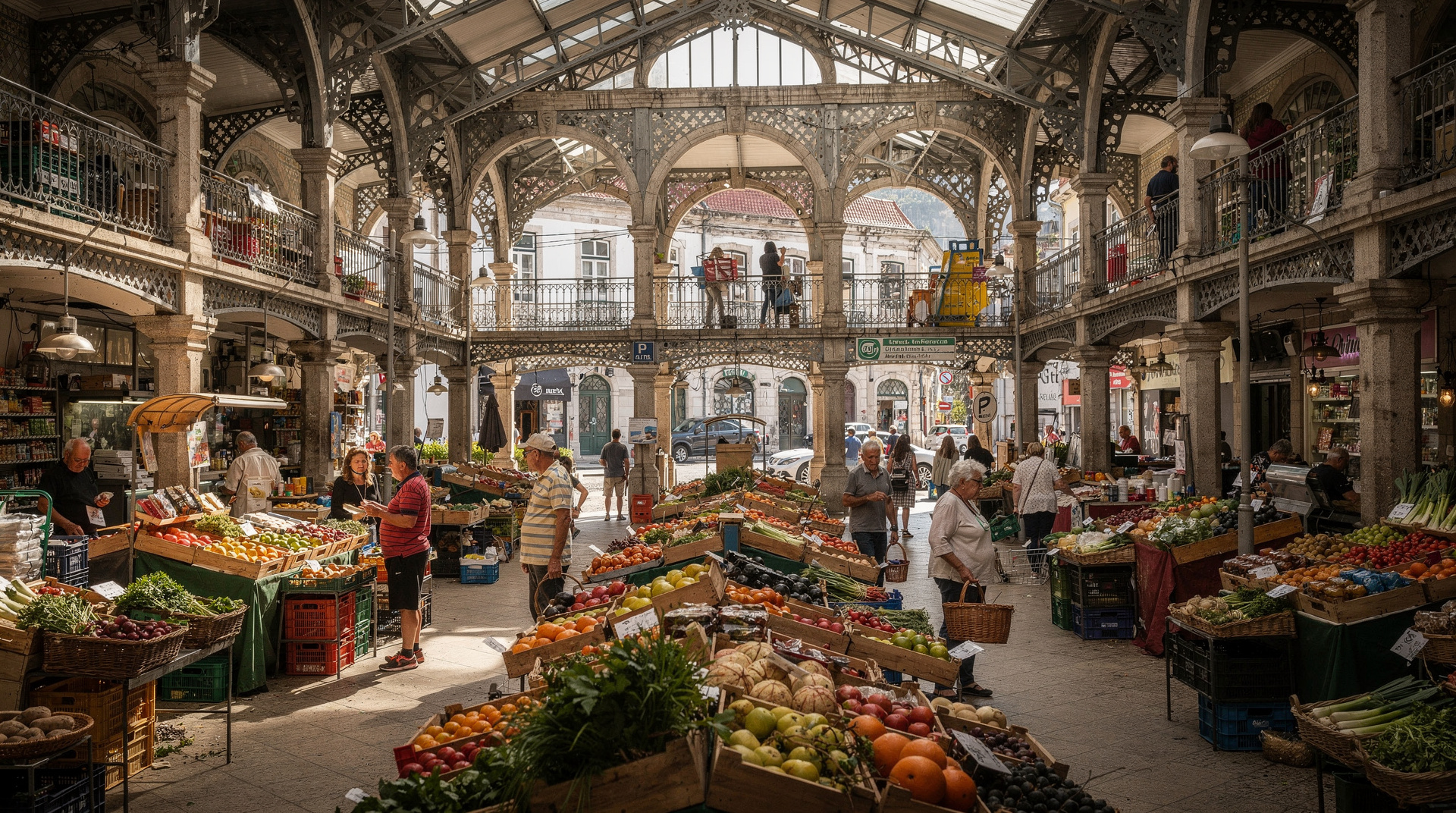
The most satisfying format: begin at Mercado do Bolhão with the chef or instructor, select the day’s produce and proteins, then cook them in a kitchen nearby. The sequence teaches two things simultaneously — how to shop at a Portuguese market (which products to choose, how to interact with vendors, what seasonal quality looks like) and how to cook what you’ve bought.
The Porto market and cooking class covers a visit to Bolhão followed by a cooking session that typically produces three to four dishes, a full shared meal of what you’ve made, and wine pairing. Duration: 3.5-4 hours. Price: approximately 75-90 € per person.
The alternative market cooking class is similar in format and worth comparing — the session may cover different dishes or use a different neighbourhood for the cooking element.
Who it suits: Visitors who are genuinely interested in food as a cultural experience, not just a meal. Couples, small groups of friends, anyone who cooks at home and wants to extend their repertoire. The group size on these classes is small (typically 6-10 people), which means the instruction is personalised enough to be genuinely educational.
What you’ll cook: Varies by season and instructor, but typically includes a soup (caldo verde or açorda), a bacalhau preparation, a petiscos selection, and a dessert. Francesinha is less common in the market-to-table format because the sauce benefits from longer cooking time than the class format allows.
Pastel de nata class
The custard tart class has become Porto’s most popular culinary experience for visitors, and for good reason — it is accessible, satisfying, and produces a skill that you can actually use at home.
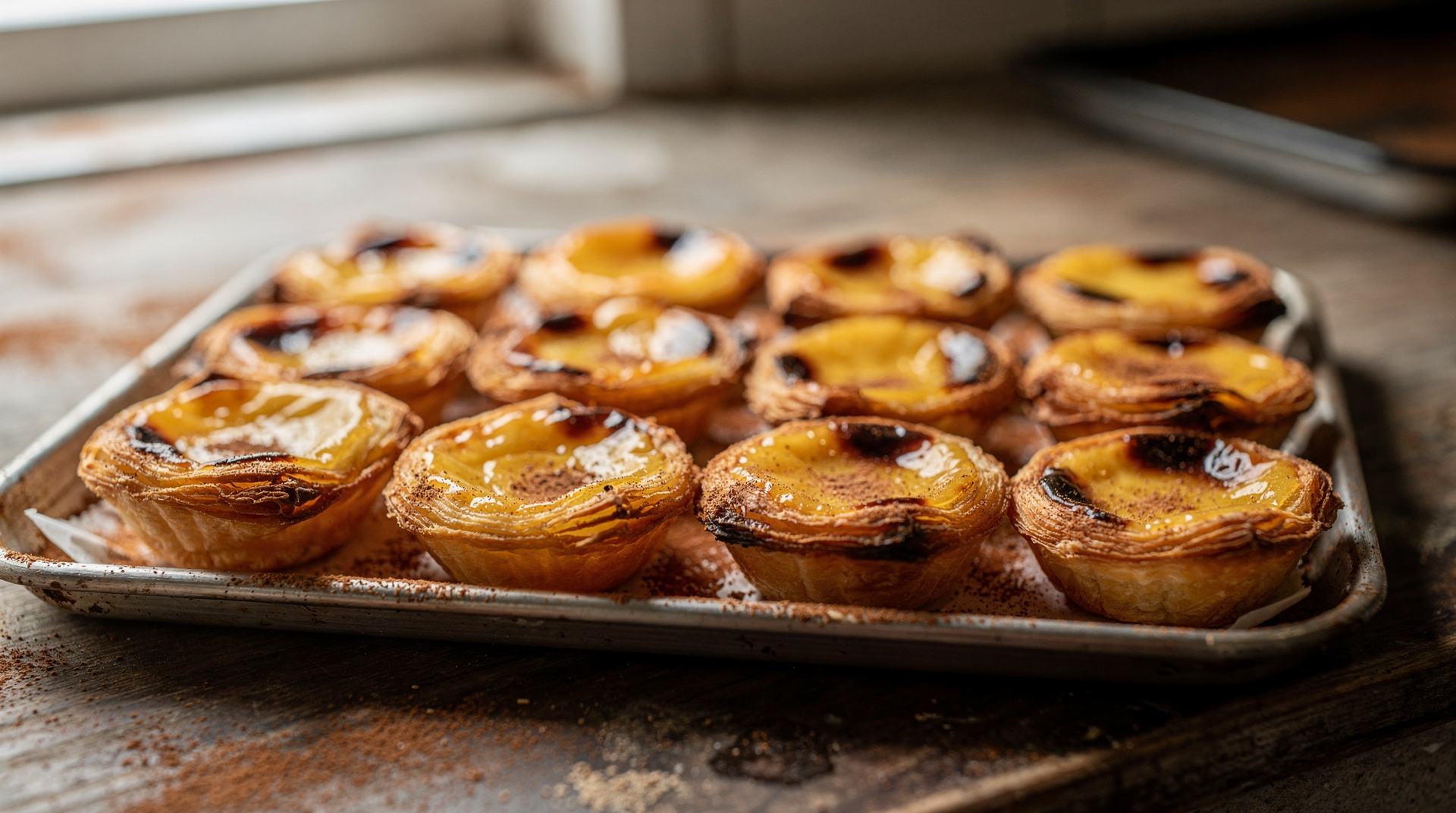
The pastel de nata grandma-style class takes a traditional home-cook approach — the “grandma’s recipe” framing is marketing, but the technique is genuinely more rustic and home-scaled than the industrial production methods used by the major pastelarias. You’ll learn the laminated pastry case technique, the egg-custard filling proportions, the oven temperature that produces the characteristic brown spots on the surface, and the timing that separates a set custard from a liquid one.
The pastel de nata and port wine class pairs the tart-making session with a port wine tasting — a logical combination since the custard’s sweetness and the caramelised pastry pair genuinely well with a 10-year tawny. This format suits visitors who want to cover both the pastry and the wine culture of Porto in a single experience.
Duration: 1.5-2 hours for a dedicated nata class; 2.5 hours for the combined format with port wine. Price: 40-55 € for the standalone class; 55-70 € for the combined option. Who it suits: Everyone. This is the cooking class with the lowest barrier to entry — no knife skills, no complex technique, genuinely fun for solo travellers, couples and groups.
What you’ll make: Typically 8-12 pastéis per person. You eat some during the class and take the rest with you in a box. The instructor usually demonstrates the hardest part (laminating the pastry) before you attempt it.
Francesinha and Portuguese classics class
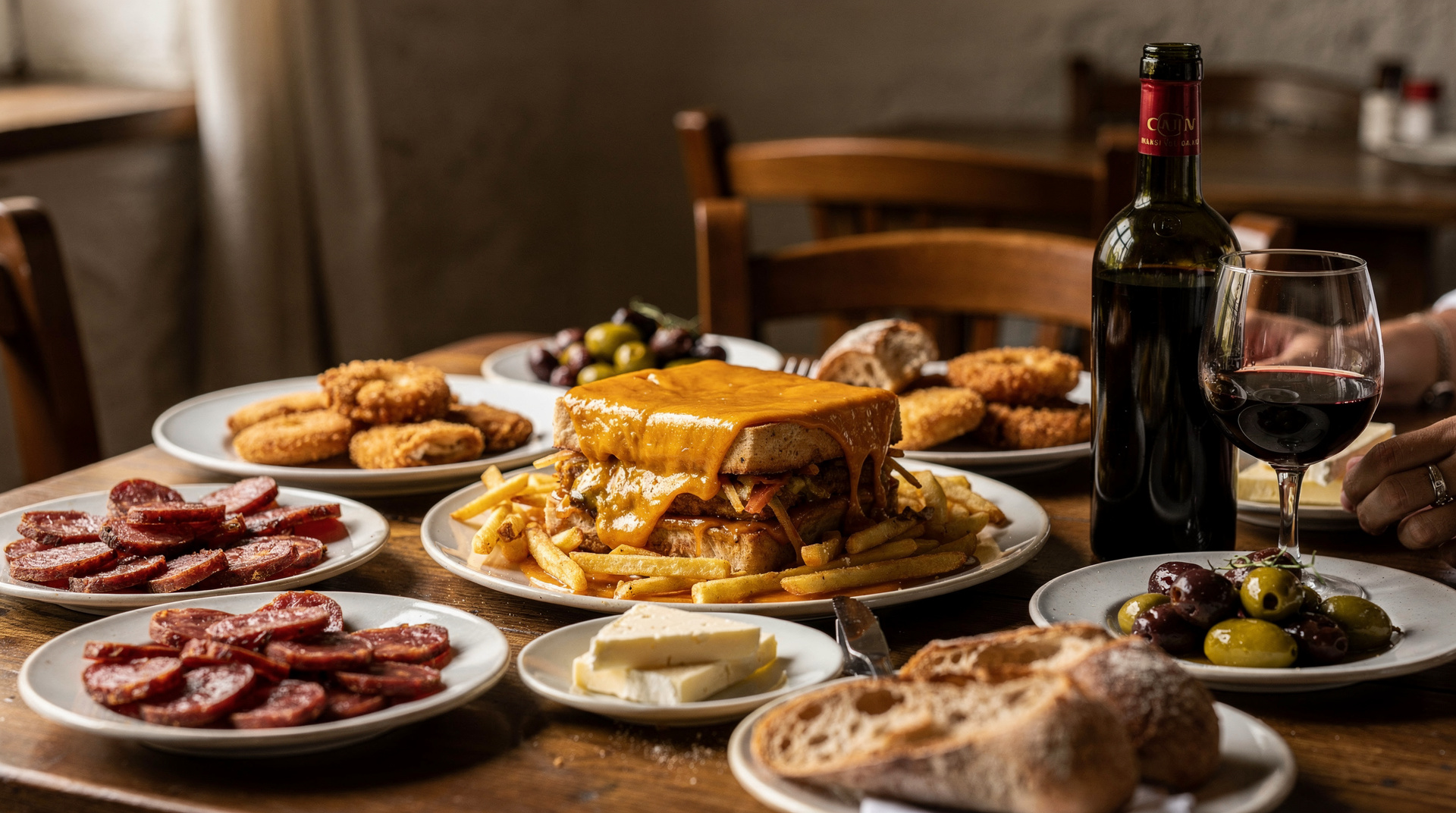
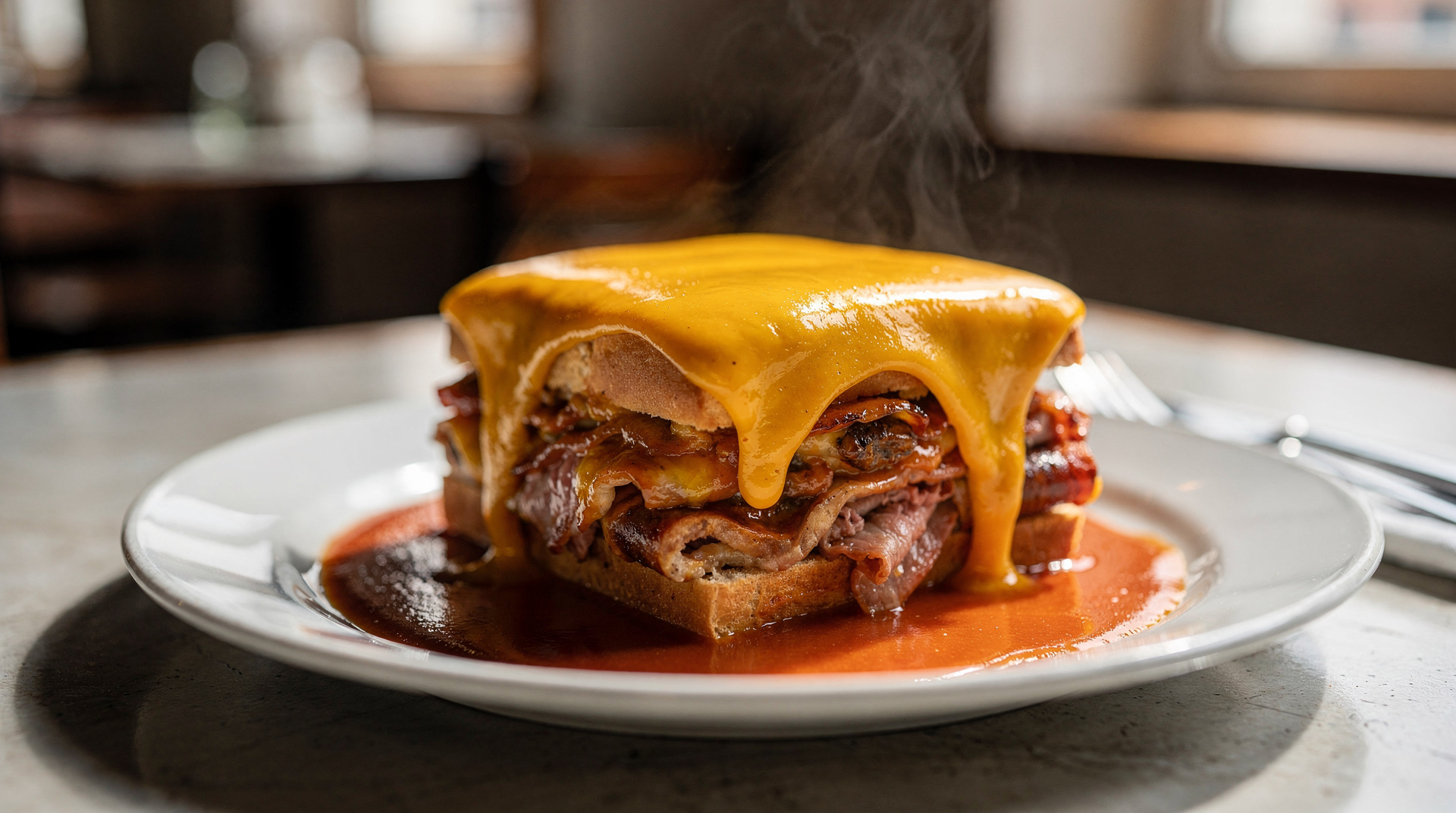
Classes specifically focused on francesinha are less common than the nata format, but several Porto operators include it in their menu of options. The sauce is the reason to do this class: you can assemble the bread, ham and cheese layers of a francesinha by following any recipe online, but the sauce — the specific sequence of tomato, beer, port and chilli, the cooking duration, the moment of seasoning — is genuinely technique-dependent and varies between operators in ways that aren’t visible from eating the finished dish.
What you’ll cook: The full francesinha assembly, the sauce from scratch, and typically one additional dish (pataniscas de bacalhau, caldo verde, or a petiscos plate). Duration: 2.5-3.5 hours. Price: 55-75 € per person. Who it suits: Visitors who want to understand Porto’s most distinctive dish beyond eating it, and who are motivated enough to recreate it at home. The technique is approachable for home cooks.
Bacalhau: the class for serious cooks
Bacalhau (salt cod) is the most technically demanding Portuguese ingredient. The 365 claimed preparations of salt cod are not a myth — they reflect genuinely different approaches to a preserved ingredient that behaves differently depending on how it was salted, how long it soaked, and which cooking method is applied.
A class focused on bacalhau prepares two or three preparations — typically bacalhau à brás (shredded cod with potato straw, egg and olive), bacalhau com natas (with cream and potato gratin), and a third preparation depending on season. The instructor usually begins by explaining the soaking and desalting process (24-48 hours of fresh water changes), which sets the context for why the dish has the texture it does.
Price: 55-75 € for a multi-preparation bacalhau class. Who it suits: Cooks with a genuine interest in the dish and some patience for the method. Not the right class for a casual food tourist who just wants to eat lunch.
Practical information for booking
Private vs group format: Group classes (6-12 people) cost 40-90 € per person. Private classes for 2-4 people cost 90-150 € per person but offer fully customised content and one-on-one instruction. For couples, the private format is often worth the premium.
What to wear: Aprons are provided. Wear clothes you don’t mind getting flour or sauce on, and shoes with closed toes.
Meeting points: Most classes begin at the teaching kitchen location or at Bolhão market for the market-to-table formats. Central Porto meeting points are the norm — check the specific booking for the exact location.
Language: All Porto cooking classes for visitors are conducted in English. Some operators offer Portuguese-language classes at lower prices aimed at local residents.
Booking: Use the links in this guide for all GYG-listed classes. For operators not listed on GetYourGuide, the most reliable booking route is directly through the operator’s own website.
What to do before and after
A cooking class pairs naturally with a morning at Bolhão market even if the class doesn’t include a market visit — understanding what you’re cooking is more satisfying when you’ve seen it in raw form.
After a full cooking class that ends with a shared meal, you are unlikely to want a large dinner. A light evening of petiscos at a wine bar, or simply a glass of vinho verde at the hotel or apartment terrace, is the right transition.
The porto-foodie-weekend itinerary schedules the cooking class on day two, after a food tour on day one has established the context for what you’ll be cooking.
For visitors who want to deepen the wine dimension alongside the cooking, the port wine tasting guide and the vinho verde guide provide context that makes the wine pairings in a cooking class more meaningful.
What you can replicate at home
The most portable skills from a Porto cooking class:
Pastel de nata: The laminated pastry technique and custard formula are replicable in a domestic oven. The primary adaptation needed at home is temperature — Portuguese ovens at pastelaria level run very hot (300°C+); a domestic oven at its maximum temperature (230-250°C) produces slightly less dramatic charring on the custard surface, but the result is still excellent.
Caldo verde: The soup of kale, potato and chouriço is one of the most straightforwardly replicable Portuguese dishes in a non-Portuguese kitchen. The key is the thinly sliced kale (a mandoline or very sharp knife helps) and the quality of the smoked sausage.
Bacalhau à brás: Needs good salt cod (available in Spanish and Portuguese delicatessens across Europe) and potato straw (or substitute thin-cut fries). The technique is not complex but requires the right pan temperature for the egg scramble to set correctly without drying.
Francesinha sauce: The most difficult to replicate without the Portuguese ingredients (linguiça, specific tomato paste varieties) but achievable with substitutions. The class should give you the specific proportions and timing that are the real value.
Caldo verde and petiscos combined: A number of classes pair a starter soup with a small plate of petiscos-style bites (marinated olives, alheira, grilled chouriço). These are the easiest dishes to reproduce for a casual dinner party back home, since none require specialist Portuguese ingredients beyond a good chouriço, which is now widely available outside Portugal. Keep the portions small — petiscos are meant to be shared across several dishes, not served as a single main course.
Comparing the formats at a glance
| Format | Duration | Price/person | Skill level |
|---|---|---|---|
| Market-to-table | 3.5–4 hrs | 75–90 € | Beginner–intermediate |
| Pastel de nata | 1.5–2 hrs | 40–55 € | Beginner |
| Pastel de nata + port wine | 2.5 hrs | 55–70 € | Beginner |
| Francesinha classics | 2.5–3.5 hrs | 55–75 € | Intermediate |
| Bacalhau (multi-preparation) | 2.5–3.5 hrs | 55–75 € | Intermediate–serious cook |
Combining a class with the rest of your trip
Timing matters more than most visitors expect. A cooking class scheduled for your first full day in Porto gives you a head start on ordering confidently at restaurants for the rest of the trip — once you understand how a francesinha sauce or a bacalhau dish is built, menu descriptions make more sense. If your stay is short, the Porto 2 days itinerary and Porto 3 days itinerary both have natural gaps in the afternoon or early evening where a class fits without crowding out the major sights.
For visitors who want the class to double as their main food experience of the trip rather than a supplement to restaurant meals, pick the market-to-table or bacalhau format — both include a full shared meal, so you can treat the class as lunch or dinner rather than an add-on. Compare this against a structured food tour if you’d rather taste widely across several vendors than cook a smaller number of dishes yourself.
Frequently asked questions about Porto cooking classes
How much do cooking classes cost in Porto?
Classes run from 40 € to 90 € per person. A 2-hour pastel de nata class costs around 40-55 €. A 3-4 hour market and cooking class with a full meal runs 65-90 €. Private classes cost more per person but offer personalised instruction.
Do I need cooking experience?
No prior experience is required for any Porto cooking class. Even the bacalhau and francesinha sessions are designed for home cooks rather than professionals.
What dishes can I learn to cook in Porto?
The most common: pastel de nata, francesinha with sauce, bacalhau à brás, bacalhau com natas, caldo verde, petiscos assortments, and seasonal fish preparations.
Can I take a cooking class with dietary restrictions?
Some operators accommodate vegetarian restrictions. Bacalhau and francesinha classes are inherently meat/fish based. The pastel de nata class works for vegetarians. Communicate restrictions at booking.
Are cooking classes suitable for children?
Several Porto classes are designed for families. Pastel de nata and grandma-style formats are particularly accessible. Classes involving complex sauce work or open flames are better suited to adults.
How far in advance should I book?
Book 3-5 days ahead in high season (June through September). In low season (November to March), many classes have availability within 24 hours.
Frequently asked questions — Porto cooking classes — francesinha, pastel de nata, bacalhau
How much do cooking classes cost in Porto?
Porto cooking classes run from 40 € to 90 € per person depending on format and duration. A 2-hour pastel de nata class costs around 40-55 €. A 3-4 hour market and cooking class with a full meal included runs 65-90 €. Private classes (2-4 people) cost more per person but offer a personalised experience and are better value for couples or small groups.Do I need cooking experience for a Porto cooking class?
No prior experience is required for any of the Porto cooking classes listed here. The most technique-intensive sessions (bacalhau preparations, francesinha sauce) include step-by-step guidance and are designed for home cooks rather than professionals. The pastel de nata class is specifically designed to be accessible — the technique for the pastry case and custard filling is teachable in 90 minutes.What dishes can I learn to cook in Porto?
The most common dishes covered in Porto cooking classes are: pastel de nata (custard tart), francesinha with its sauce, bacalhau à brás (shredded salt cod with egg and potato), bacalhau com natas (salt cod with cream), caldo verde (kale soup), petiscos assortments, and seasonal fish preparations. Classes focused on a single dish go deeper on technique; multi-dish classes give broader coverage.Can I take a cooking class in Porto with dietary restrictions?
Some operators accommodate vegetarian dietary restrictions, particularly for multi-dish classes where one or two items can be swapped. The bacalhau and francesinha classes are inherently meat and fish based and cannot easily be modified. The pastel de nata class works for vegetarians. Communicate restrictions at booking, not on the day.Are cooking classes suitable for children?
Several Porto cooking classes are specifically designed for families and children, particularly the pastel de nata and grandma-style cooking formats. The market-and-cook classes are also accessible for older children. Classes involving knives, open flames or complex sauce work are better suited to adults.How far in advance should I book a Porto cooking class?
Book 3-5 days in advance in high season (June through September). The most popular formats — pastel de nata with a port wine pairing, market and cooking class — fill quickly in summer. In low season (November to March), many classes have availability within 24 hours.
Top experiences
Bookable activities with verified prices and instant confirmation on GetYourGuide.