How many days in Porto do you need?
Porto: Porto Historical Center Walking Tour
How many days should I spend in Porto?
Three to four days is the ideal length for most visitors. You can cover the historic centre, Ribeira, Gaia port cellars, and a Douro Valley day trip without feeling rushed. Two days works if you focus on the city only. Five days allows you to add day trips to Braga, Guimarães or Aveiro.
Here is the practical snapshot before the full day-by-day breakdown below.
| Minimum | 2 days for the city core |
| Recommended | 3–4 days (city + one day trip) |
| Upper limit | 5 days before Porto itself saturates |
| Add per day trip | Douro Valley, Braga/Guimarães, or Aveiro |
| Best time | May–June or September for weather and crowds |
The honest answer before you plan
Porto is one of those rare cities where the question of how many days to spend depends almost entirely on what type of traveller you are. A focused, fast-moving visitor can extract the essential Porto experience in two and a half days. Someone who wants to understand the city at its own pace — the morning coffee culture, the neighbourhood transitions from Ribeira up through Bonfim, the hour-by-hour shift from golden to purple light on the Douro — needs four to five days.
This guide gives you an honest breakdown of each length of stay, starting from the minimum and working up. It also covers who each duration suits and what you will regret skipping.
One day in Porto: the bare minimum
One day is not enough to see Porto. That is the honest truth. But one well-planned day does deliver a coherent experience of the city’s most extraordinary elements, and many people on a northern Portugal circuit have exactly this window.
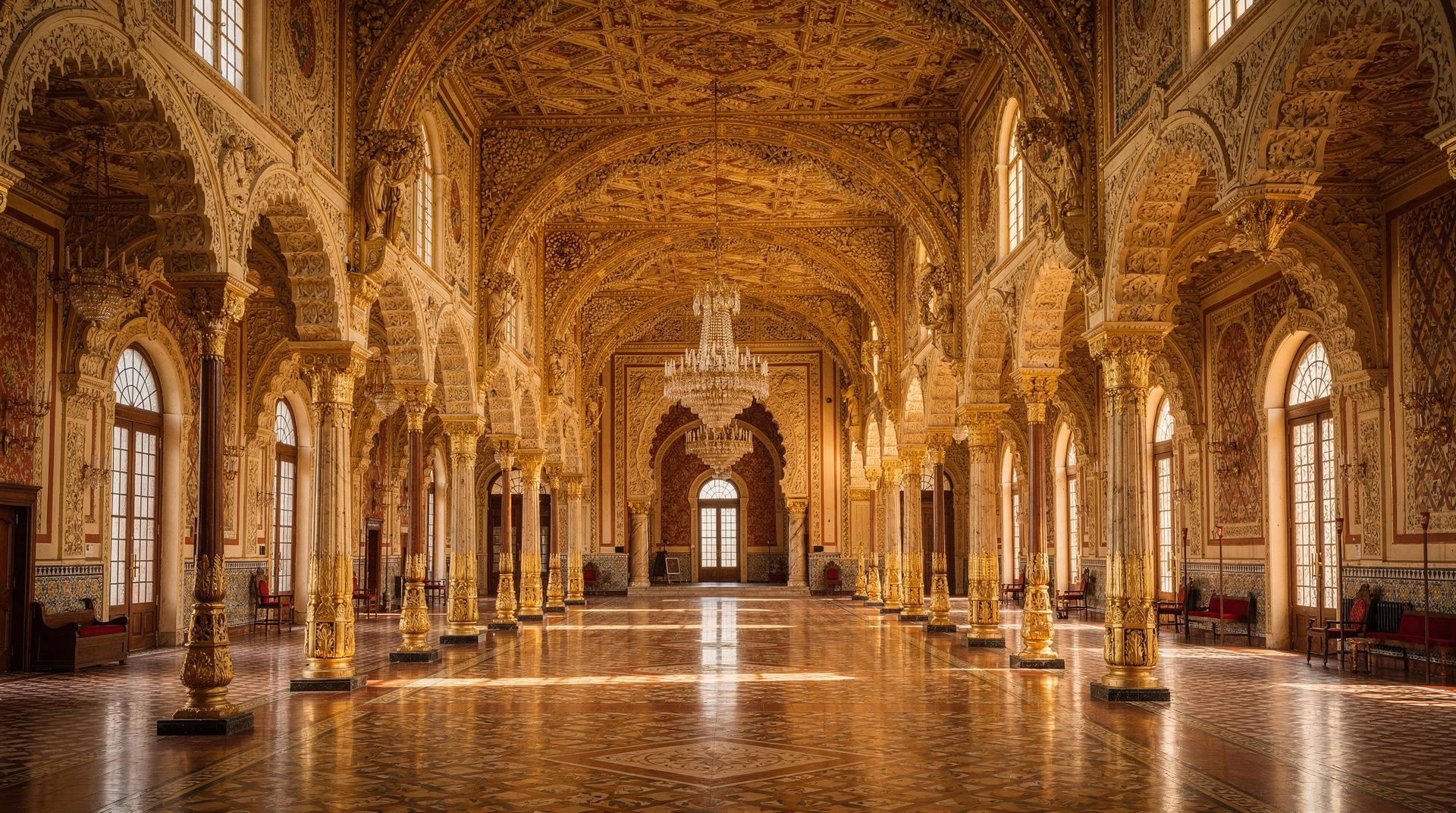
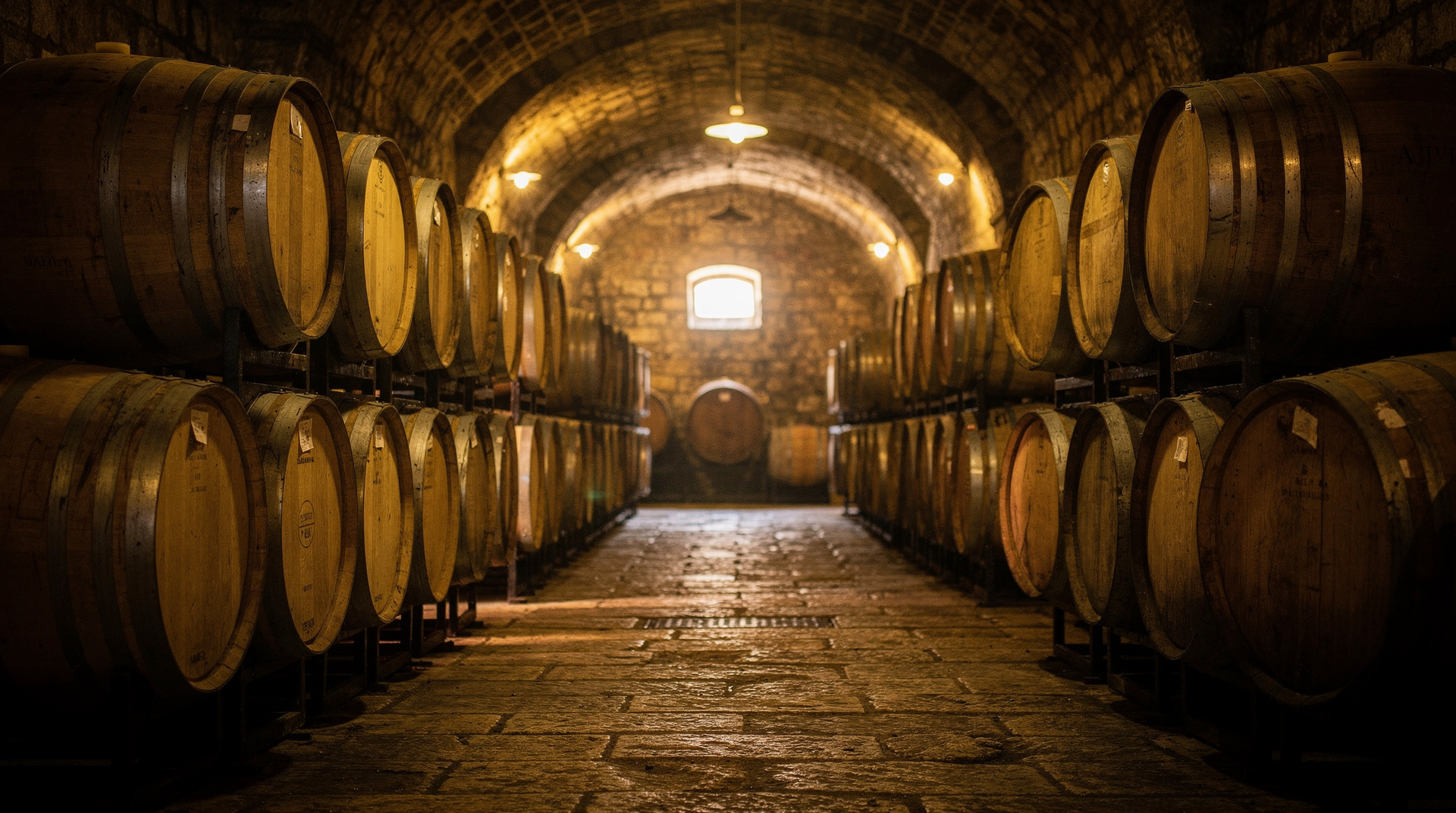
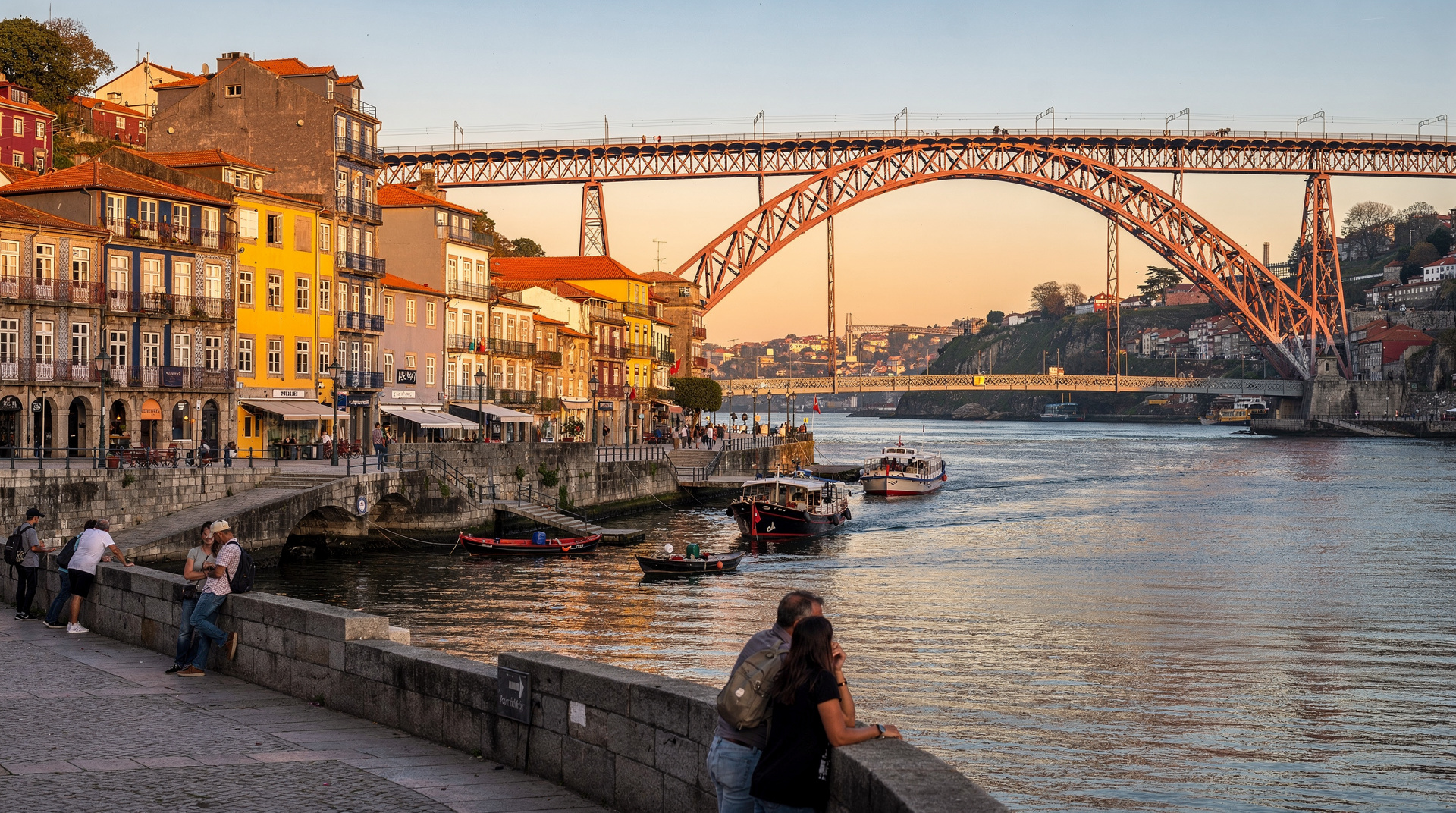
The one-day Porto itinerary structures this for you, but the core logic is as follows: start at São Bento station before 9 am to see the azulejo panels before the crowds arrive. Walk northwest to Livraria Lello (buy a ticket online in advance — Silver tickets cost around €8 and the summer queue without one runs to two hours). Continue to Clérigos Tower for the elevated view of the city. Descend to the Ribeira waterfront by 1 pm, eat at a restaurant one street back from the water (the front-row Ribeira spots charge 20 to 30 percent more for the same food), and walk across Ponte Dom Luís I in the afternoon. Book a port cellar visit in Vila Nova de Gaia for around 3 pm — Taylor’s has the best terrace view, or Cálem if you want fado included.
Return to Porto via the lower deck of the bridge as the sun drops. That is one day done properly.
What you miss in one day: the upper city neighbourhoods, any Douro Valley experience, all day trips, and any sense of Porto’s food culture beyond a rushed lunch.
Two days in Porto: the city complete
Two days allows you to finish the one-day programme more slowly and add the elements that transform a checklist tour into an actual visit.
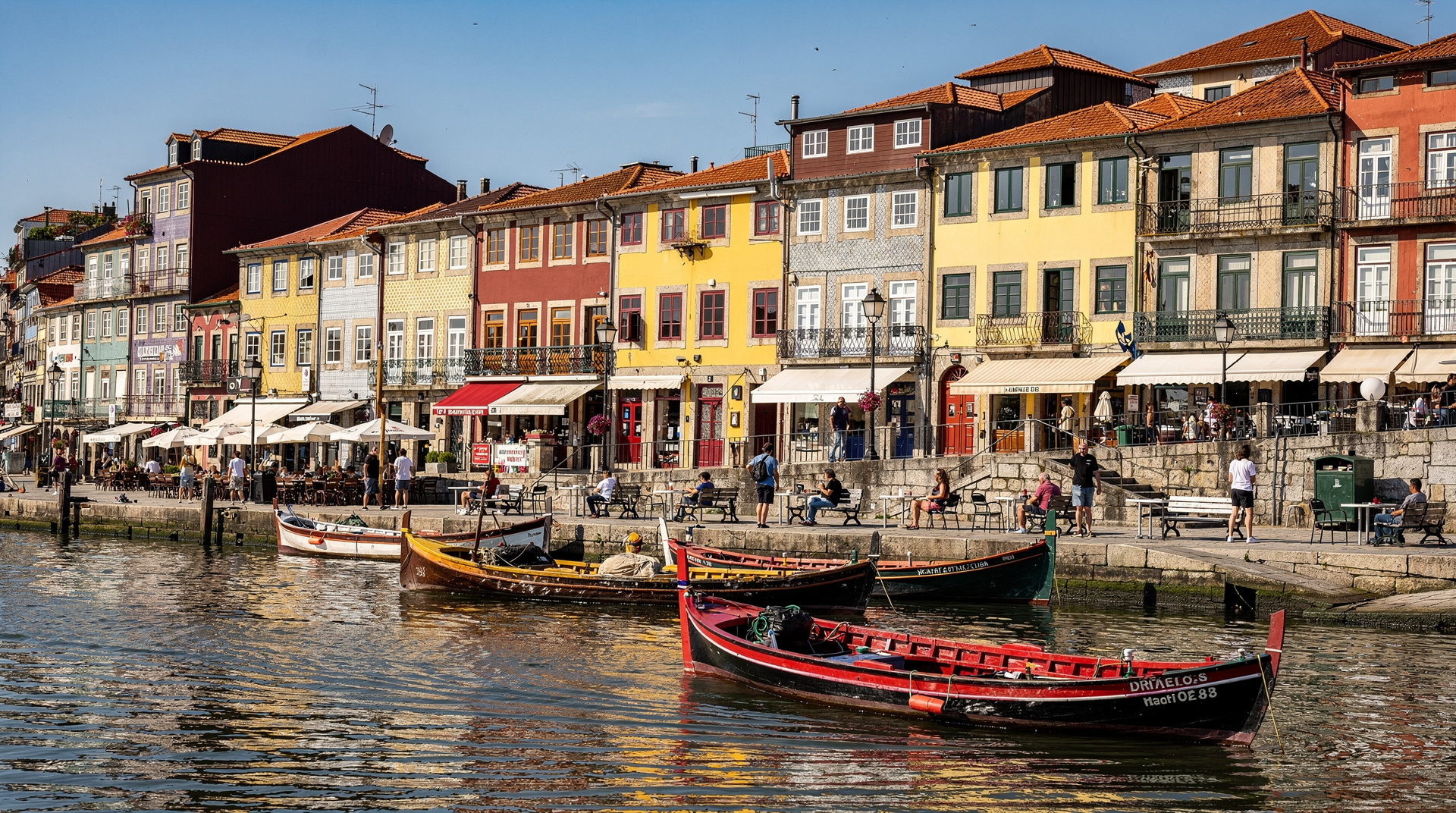
Day one follows the historic centre route above but at a relaxed pace. Give Livraria Lello 45 minutes rather than 20. Sit on Taylor’s terrace in Gaia for an hour rather than rushing back. Have dinner somewhere in the streets behind Ribeira — the neighbourhood between the waterfront and the cathedral, around Rua do Infante D. Henrique, has excellent tascas where a full meal costs 9 to 13 €.
Day two opens the city north and east. Bonfim and Cedofeita are the two neighbourhoods most visitors miss and both reward a morning walk — independent coffee shops, azulejos on unexpected façades, the slow street life of a city that hasn’t been entirely remade for tourists. The WOW cultural district back in Gaia makes a solid afternoon stop, particularly if you skipped it on day one.
Two days works best for city-focused visitors who are not interested in Douro Valley excursions and are content with one port cellar experience rather than two. It also works for anyone using Porto as a short break within a longer Portugal trip.
What you miss in two days: the Douro Valley, Matosinhos beach, any day trips to Braga or Guimarães, and the time needed for a second (and very different) port cellar visit.
Three days in Porto: the recommended baseline
Three days is where Porto becomes genuinely rewarding rather than merely impressive. The three-day Porto itinerary is the most-used itinerary on this site for good reason: it covers the city’s essential elements without rushed timing, and it fits a Douro Valley day trip into the schedule.
Day one: Historic centre. São Bento, Lello, Clérigos, Ribeira, and a port cellar in Gaia in the afternoon. See the detail above for day one under the two-day section — identical structure, same timing.
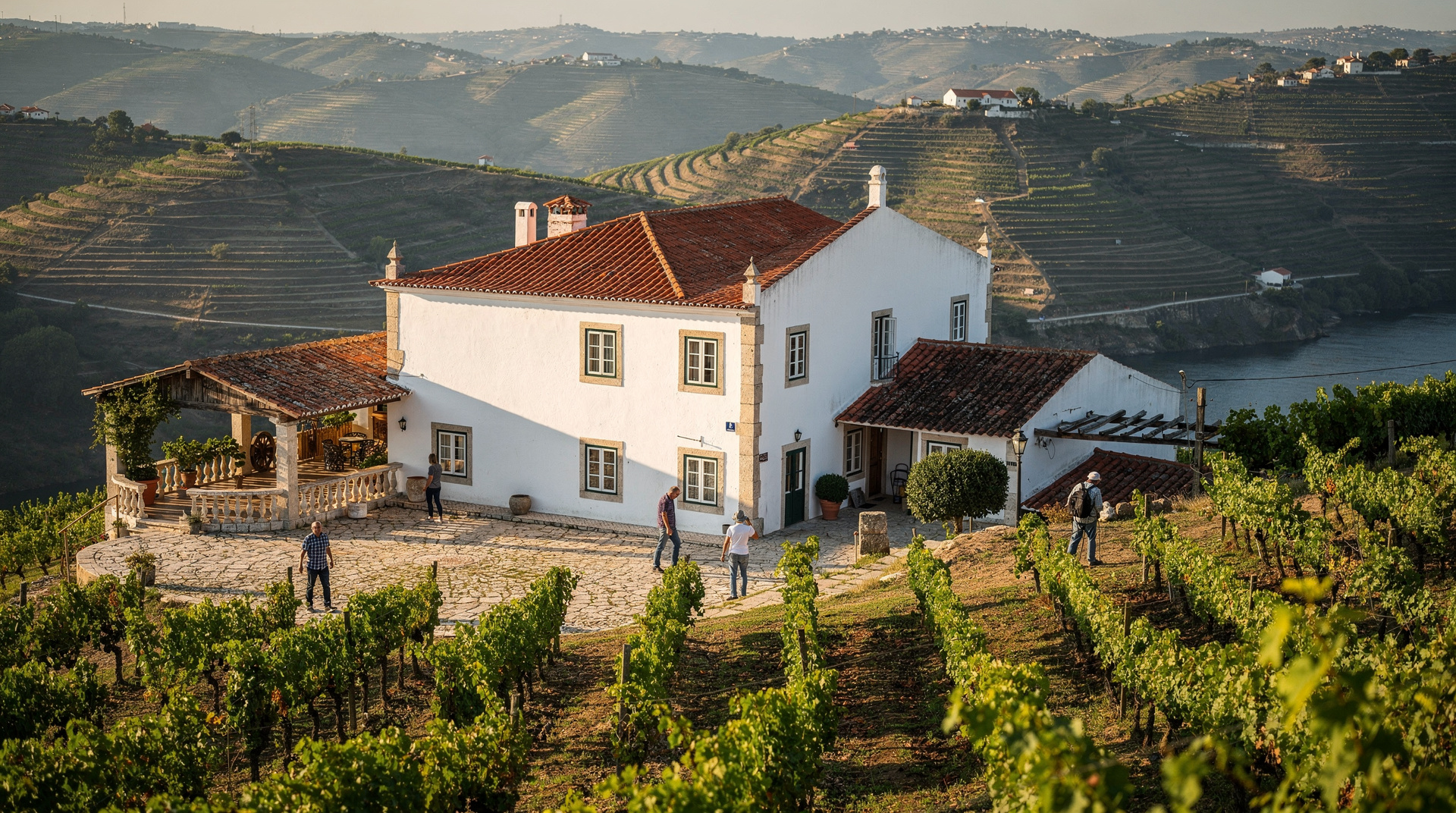
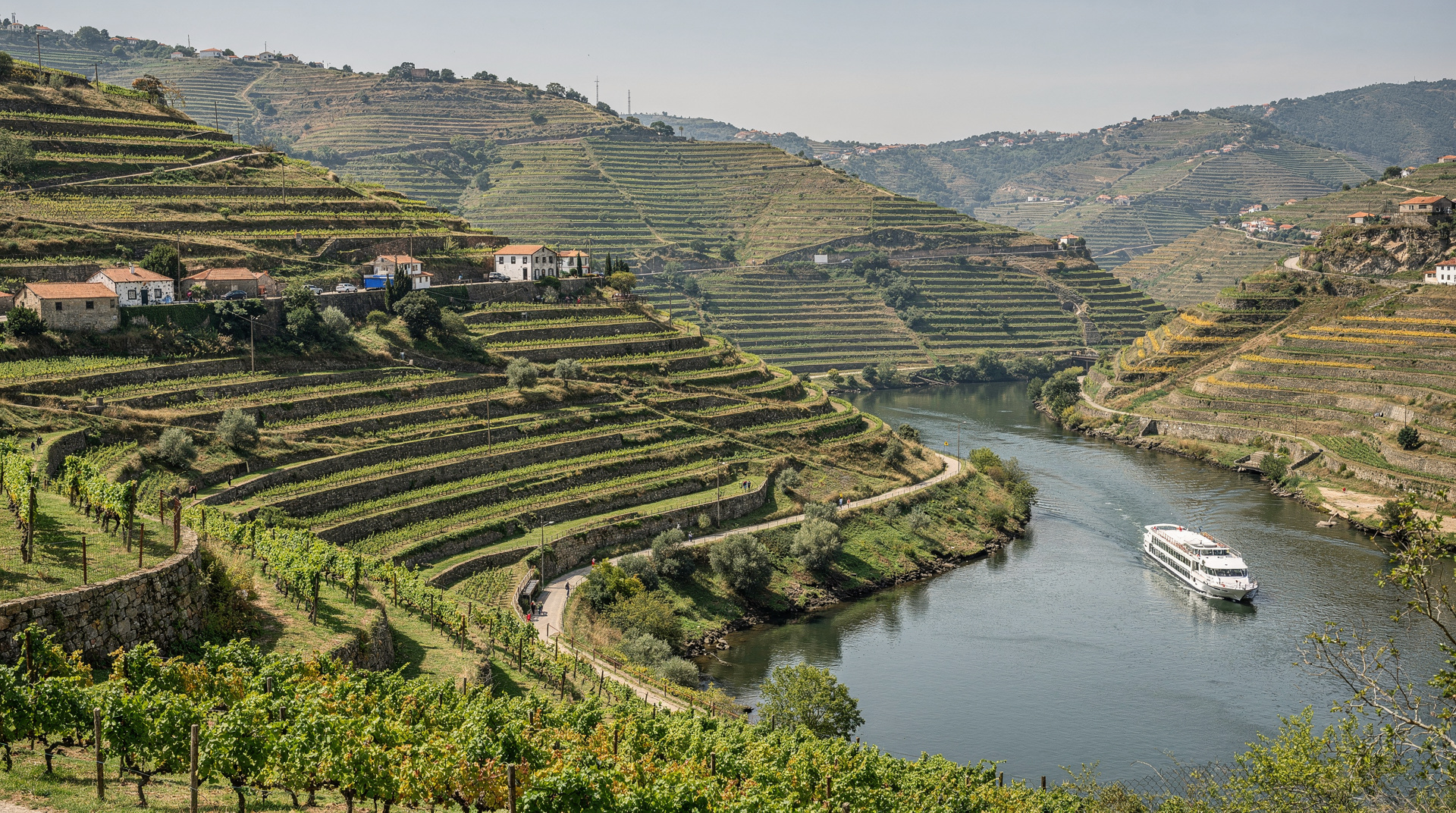
Day two: Douro Valley. This requires an early start (bus or train by 8:30 to 9 am from central Porto) and a full day away from the city. An organised tour from Porto costing 60 to 85 € per person handles transport, a guide, visits to one or two wine estates, a river cruise, and lunch. Book a Douro day tour with cruise and two estate visits. You return to Porto by 7 to 8 pm, tired but rewarded — the Douro terraces and the river light are among the most striking landscapes in Europe. The Douro Valley day trip guide covers transport options and what to expect.
Day three: West and coast. Porto’s ocean-facing side — Foz do Douro and Matosinhos — is a different city from the tourist-centre core. Walk the Avenida de Montserrate along the waterfront from Foz to Matosinhos in the morning, eat grilled fish at one of Matosinhos’ lunch restaurants (the market area has the freshest fish in the greater Porto area, typically 12 to 18 € for a full lunch), and take the metro back from Matosinhos Sul or Senhora da Hora.
Three days suits most visitors: couples, solo travellers, families without young children, and anyone combining Porto with Lisbon or the Alentejo. It is also long enough to notice the city’s rhythms rather than just its monuments.
Four days in Porto: adding depth
Four days allows you to do the three-day programme more slowly and add one significant extra element without sacrificing pace elsewhere.
The logical addition is a day trip north — Braga and Guimarães in a single day is a manageable combination: Guimarães is about 50 km from Porto by car or 75 minutes by train, and Braga is a further 25 km west. Both have compact historic centres that reward two to three hours of walking. Book the Braga and Guimarães full day trip from Porto if you prefer a guided format with transport.
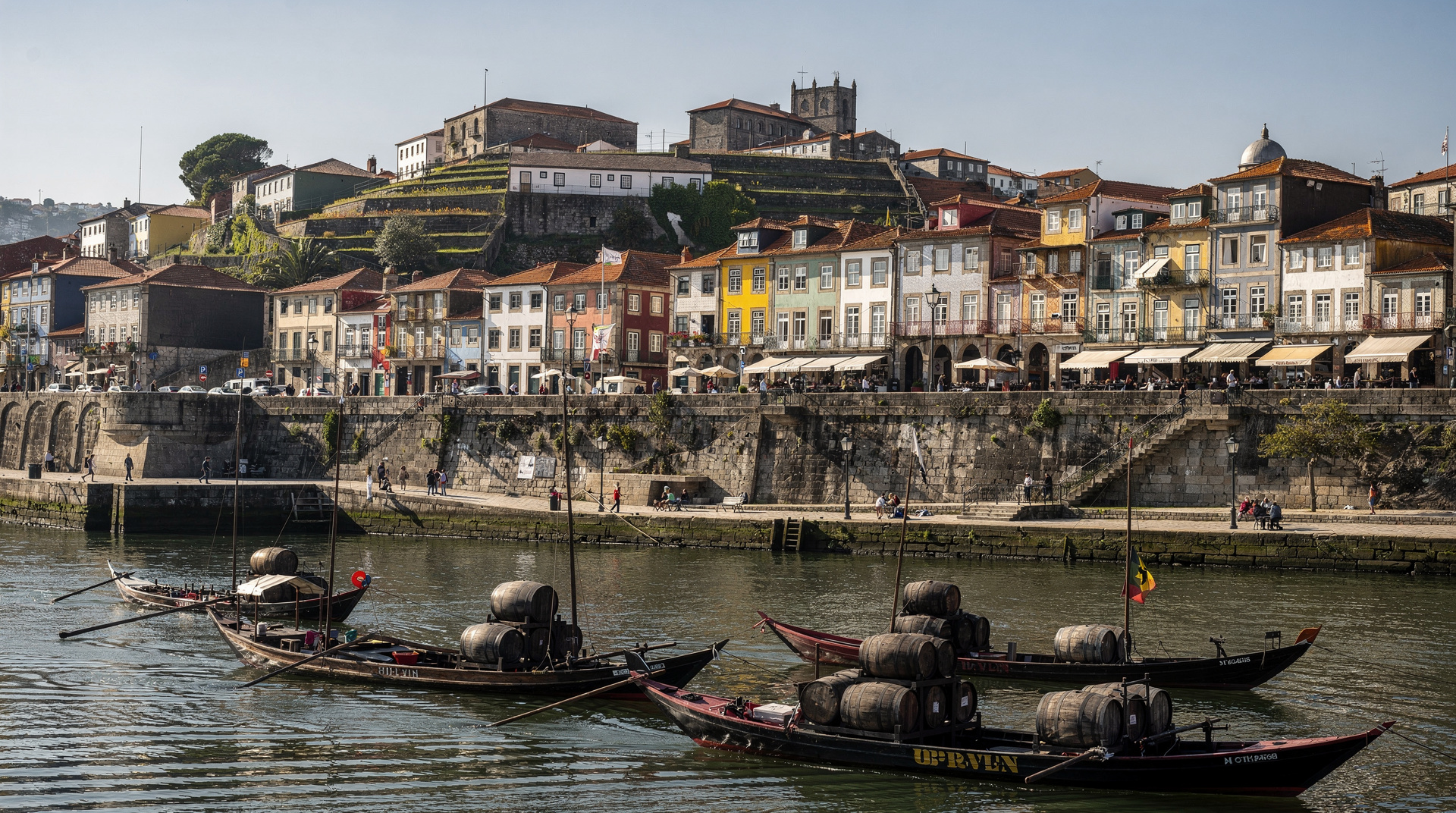
The alternative fourth-day option for wine enthusiasts is a second port cellar visit at a Gaia lodge you missed on day one — the best port wine cellars guide compares all the major options honestly.
Who four days suits: Anyone genuinely interested in northern Portugal rather than just Porto, wine travellers who want to explore the Gaia lodges properly, and travellers with flexibility who don’t need to rush.
The four-day Porto itinerary lays out a specific hour-by-hour schedule for this length of stay.
Five days in Porto: the extended visit
Five days is the upper practical limit for Porto as a destination before the city itself is exhausted and day trips become the main event. This is not a criticism — most cities saturate after three or four days, and Porto is no exception.
The best use of a fifth day in Porto is Aveiro, the “Portuguese Venice” about 70 km south. The moliceiro boat rides on Aveiro’s canals and the Costa Nova painted houses nearby provide genuine contrast to Porto’s hillside and wine culture. Train from Porto Campanhã to Aveiro takes about 50 minutes and costs roughly 4 to 6 €. Aveiro and Costa Nova tours from Porto are also widely available if you prefer guided transport.
Alternatively, a fifth day is the right moment for the Gerês National Park — Portugal’s only national park, about 90 km north of Porto. The park requires a car or an organised tour; there is no bus service to the interior trails. Walking routes range from flat riverside paths to serious ridge walks. Book the Gerês nature day trip from Porto.
The five-day Porto trip suits: families who want a relaxed pace, anyone combining Porto with wine tourism in the Douro Valley as a multi-night stay (rather than day trip), and travellers using Porto as a base for northern Portugal.
The northern Portugal 7-day itinerary extends this logic into a full week with Porto as the anchor city.
What to prioritise if your time is cut short
If you have less time than planned — a delayed flight, a change of plans, an unscheduled rainy day — here is the priority order for Porto’s non-negotiable experiences:
Must-do regardless of time: Ponte Dom Luís I crossing on foot (free), São Bento station azulejos (free, 10 minutes), Ribeira waterfront (free), one port cellar in Gaia.
Do with two or more days: Clérigos Tower (the view rewards the climb), Livraria Lello (book in advance or skip and save the time), a full meal in a neighbourhood restaurant away from the waterfront.
Save for three or four days: The Douro Valley — it demands a full day and shortcuts make it worse. A walk through Bonfim or Cedofeita rather than the overrun central routes.
Seasonal considerations for trip length
How long you stay in Porto can also depend on when you go. Here are the factors that affect duration planning:
São João (23–24 June): Porto’s biggest annual festival takes over the entire city for two nights. If your visit overlaps with São João, count it as a day consumed — in the best possible sense. Book accommodation three to four months ahead. The porto best time to visit guide covers the festival in detail.
Vindima (mid-September to early October): If the Douro Valley is on your list, this is the season to go. Quinta visits during harvest are dramatically better than any other time of year, but tours sell out fast. Add a night in Pinhão or Peso da Régua if you can — the day trip from Porto is good, but staying in the valley is better.
November: Porto is at its wettest but also its emptiest. Port cellars are fully operational and unhurried, accommodation is 30 to 40 percent cheaper than July, and the city’s cafés and tascas feel like they belong to the people who live there rather than the people visiting. Three days in November delivers more of the real city than four days in August.
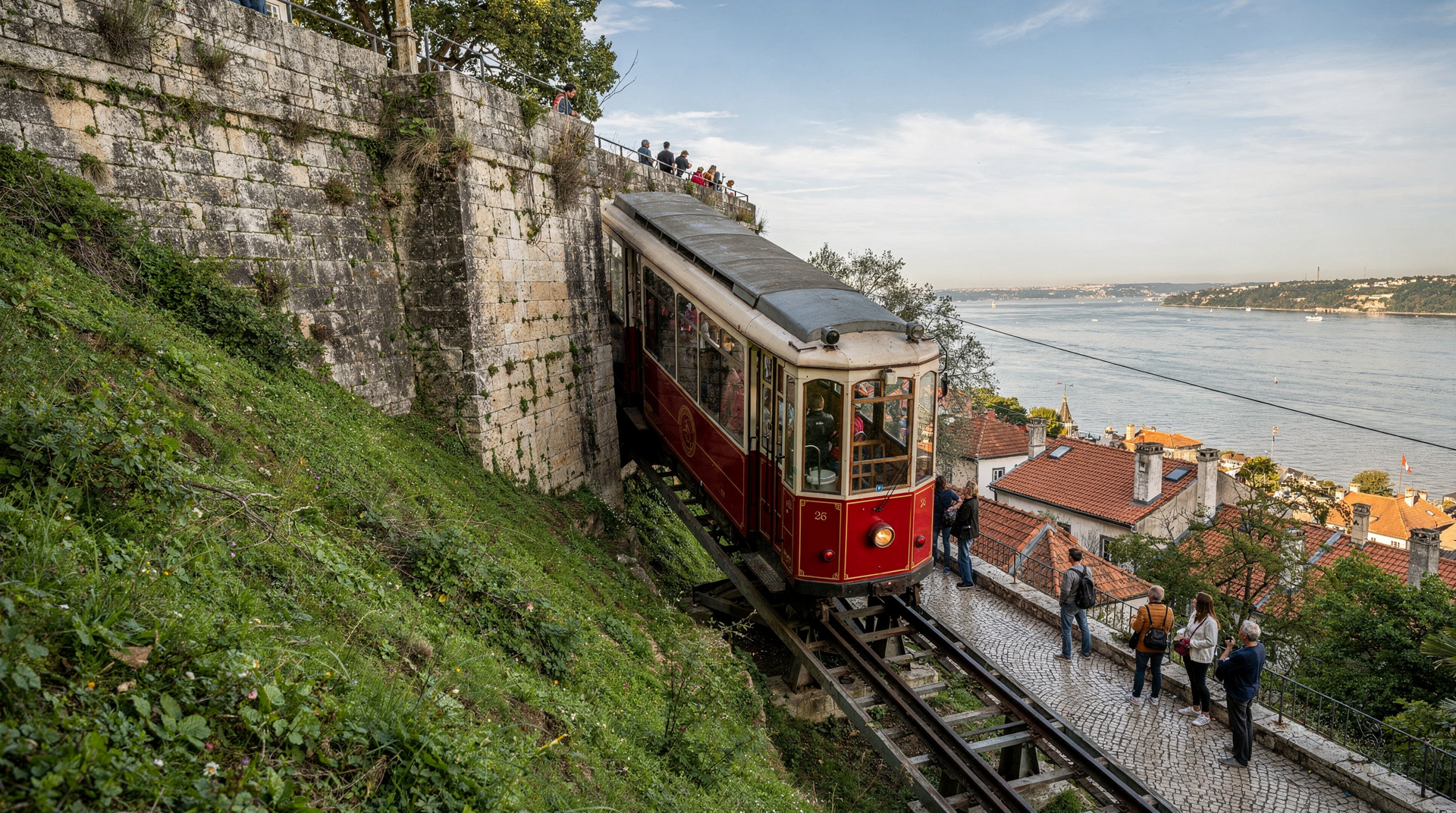
July and August: Hot, expensive, and crowded. You need more time because queues eat into each day — Livraria Lello queues run to 90 minutes without a pre-booked ticket, the funicular has waits, popular restaurants fill by 7 pm. Budget one extra day if you visit in peak summer. See the full getting around Porto guide for navigating the city efficiently.
How budget affects how long you should stay
The longer you stay, the cheaper the per-day cost becomes — fixed costs like airport transfers and accommodation check-in logistics spread over more days. A 3-night stay breaks out roughly as follows for a mid-range traveller:
- Accommodation: 60 to 100 € per night (mid-range, central)
- Food: 40 to 55 € per person per day including breakfast, lunch and dinner with wine
- Attractions: 30 to 50 € per day (port cellar, tower entry, Lello)
- Douro tour: 65 to 90 € for one day
- Transport in city: 5 to 8 € per day (metro, funicular)
Total for three nights, four days: roughly 500 to 750 € per person at mid-range. This scales up with premium port experiences and restaurant choices, or down significantly if you follow the porto on a budget guide and use free attractions strategically.
The porto card guide analyses whether the Porto Card saves money for stays of one to four days — the short answer is that it breaks even around day two for active visitors.
Does the right length change by traveller type?
The three-to-four-day recommendation is a good default, but it shifts meaningfully depending on who is travelling.
Families with young children generally need more time for less distance covered — the Porto with kids guide and the family things to do in Porto guide both assume a slower pace, with naps and shorter walking blocks built in. Four days for families often covers what three days covers for a couple, simply because the daily radius is smaller.
Couples on a romantic trip can make three days feel complete by front-loading the two highest-atmosphere elements — a Gaia terrace at sunset and dinner in Ribeira — early in the stay. The romantic 3-day Porto itinerary is built around this pacing.
Food-focused travellers often want an extra half day just for eating slowly rather than sightseeing between meals — the Porto foodie weekend itinerary treats meals as the primary activity rather than a break between monuments.
Digital nomads and longer stays change the calculus entirely: once you are in Porto for two weeks or more rather than a fixed few days, the “how many days” question becomes “how do I structure a longer stay,” which the digital nomad Porto guide covers separately.
Quick decision guide by trip type
If you’re short on time to read the full breakdown, use this as a starting point: a weekend city break (2 days) suits travellers who want the highlights and nothing more, ideally paired with a longer stay elsewhere in Portugal or Spain. A standard leisure trip (3–4 days) suits most first-time visitors and is the length this guide recommends by default. A wine-focused trip (4–5 days) suits anyone prioritising the Douro Valley and multiple Gaia cellar visits over city neighbourhood exploration. A northern Portugal base (6–7 days) suits travellers using Porto as an anchor for Braga, Guimarães, Aveiro and the Douro in a single loop — the northern Portugal 7-day itinerary is built exactly for this pattern. Match your own priorities against these profiles rather than defaulting to whatever length your flights happen to dictate, and revisit the day-by-day breakdowns above once you’ve settled on a rough category.
Porto alone, or Porto plus Lisbon?
A common trip-planning question is how to split time between Porto and Lisbon rather than how many days Porto needs in isolation. If you are choosing which city to visit first, Porto or Lisbon which first covers the logistics of routing. For a broader comparison of what each city actually offers, the Porto vs Lisbon guide is worth reading before you split your days — many visitors default to giving Lisbon more time out of habit, when a 3-day Porto plus 3-day Lisbon split often produces a more balanced trip.
The honest recommendation
Three to four days is the right length for most visitors. Three days covers the city and one day trip. Four days adds meaningful depth — either a second day trip, a second neighbourhood deep-dive, or a more relaxed pace through the same content.
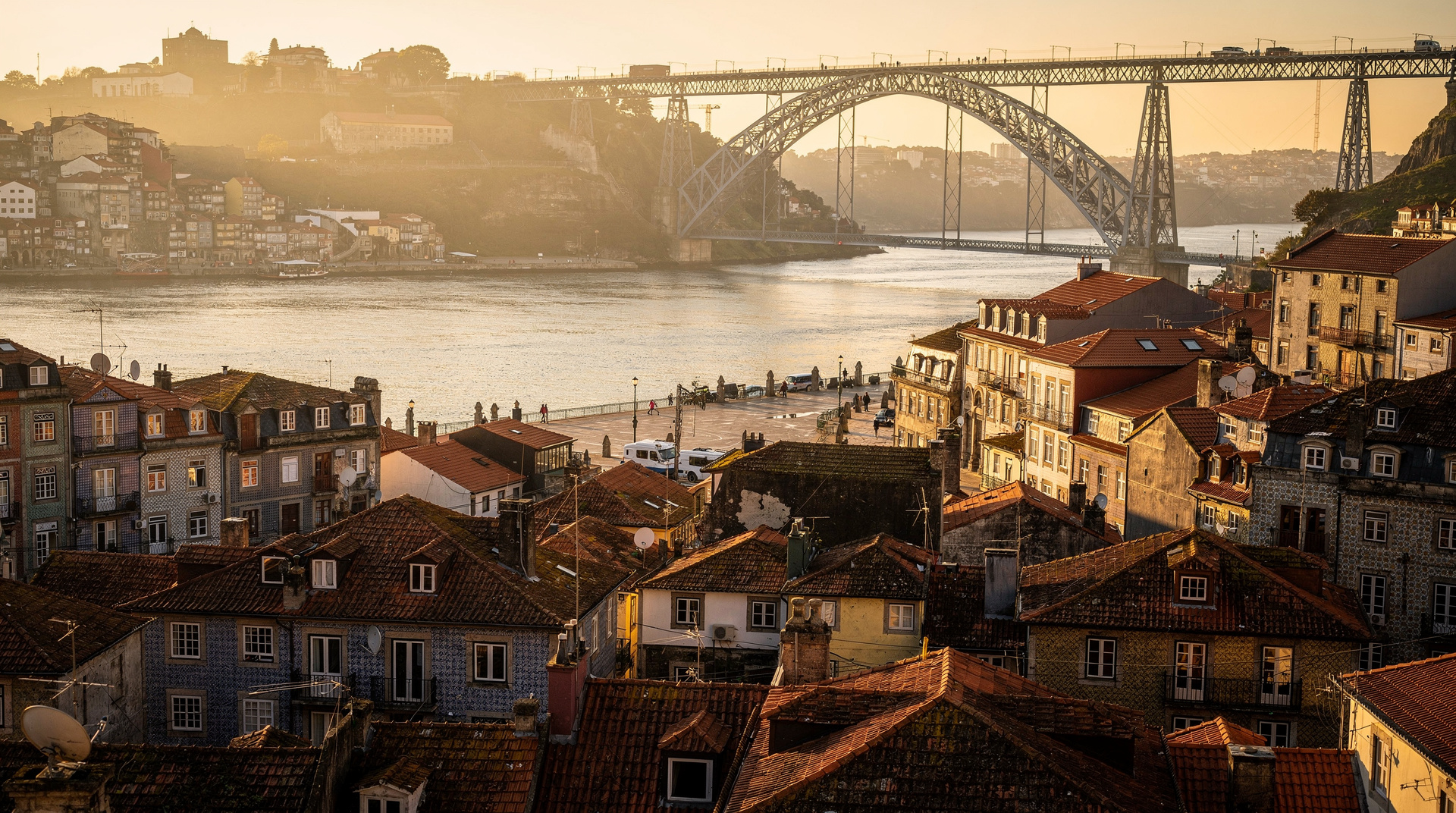
If you are debating between two and three days, go to three. The additional day consistently produces the part of a Porto trip that people remember most — not the Clérigos view or the Taylor’s terrace, but the unscheduled hour in a Bonfim café, the conversation with a fifth-generation tasca owner, or the light on the Douro at 7 pm from the lower deck of the Ponte Dom Luís I.
Porto rewards time given to it. It does not reward rushing.
Use the Porto walking tour to orient yourself on arrival day — a two-to-three-hour guided walk through the historic centre with a local guide is the highest-efficiency investment you can make on your first day, regardless of how many days follow it.
Frequently asked questions — How many days in Porto do you need?
Is 2 days enough for Porto?
Two days is enough to see the essential Porto — the historic centre, Ribeira, São Bento station, and a port cellar in Vila Nova de Gaia. You will not feel cheated, but you will also not scratch the surface of the neighbourhoods, the food scene, or day trip options. If two days is what you have, prioritise a single port cellar visit, the Clérigos tower view and a walk through Ribeira.What can you do in Porto in 1 day?
One day allows for the historic centre on foot — São Bento station, Livraria Lello, Clérigos Tower, and a walk down to the Ribeira waterfront. Cross Ponte Dom Luís I to Vila Nova de Gaia for a late-afternoon port tasting. That is a full and satisfying day, but one day is not enough to see Porto properly.Is 5 days too long in Porto?
Not if you use the time for day trips. Porto itself saturates around day four for most visitors. Days four and five are best spent in the Douro Valley, or on a day trip to Braga and Guimarães, Aveiro, or the Minho region. If you only plan to stay in the city, five days is too long.How many days do you need for Porto and the Douro Valley?
Add at least one full day for the Douro Valley — it is a long day (depart 8 to 9 am, return 7 to 8 pm) and should not be squeezed into a half day. If you want to stay overnight in Pinhão or Peso da Régua, two extra days give you a far more relaxed experience of the valley. The Porto and Douro 5-day itinerary covers this combination in detail.What is the best time of year to visit Porto?
May to June and September are the best months — good weather, manageable crowds, and lower prices than July and August. São João on 23 to 24 June is a major festival worth planning around. July and August are hot and crowded. November is the wettest month but has the fewest tourists and the most atmospheric port cellars.How many port cellars can you visit in one day?
Two to three is the realistic maximum. Most cellar visits last 60 to 90 minutes including the tasting. More than three in a day and the wines stop being distinct. Plan one morning cellar and one afternoon cellar for the optimal experience, with lunch in between on the Gaia waterfront.
Top experiences
Bookable activities with verified prices and instant confirmation on GetYourGuide.