Best month to visit Porto: ranked honestly
The question that needs a real answer
Most “best month to visit” articles are hedged to the point of uselessness: “It depends on your preferences!” “Every season has something special!” We’ve visited Porto in seven different months and can give you a more honest breakdown.
Our ranking: June > September > May > October > April > March > December > November > July = August > January > February
Here’s why, and here’s when the ranking should change for your specific situation.
| Best overall | June |
| Best for fewer crowds | September |
| Best for wine/vindima | Mid-September to early October |
| Cheapest | November, January, February |
| Avoid unless forced | July–August (unless you want São João specifically in June) |
Tier one: the genuinely excellent months
June
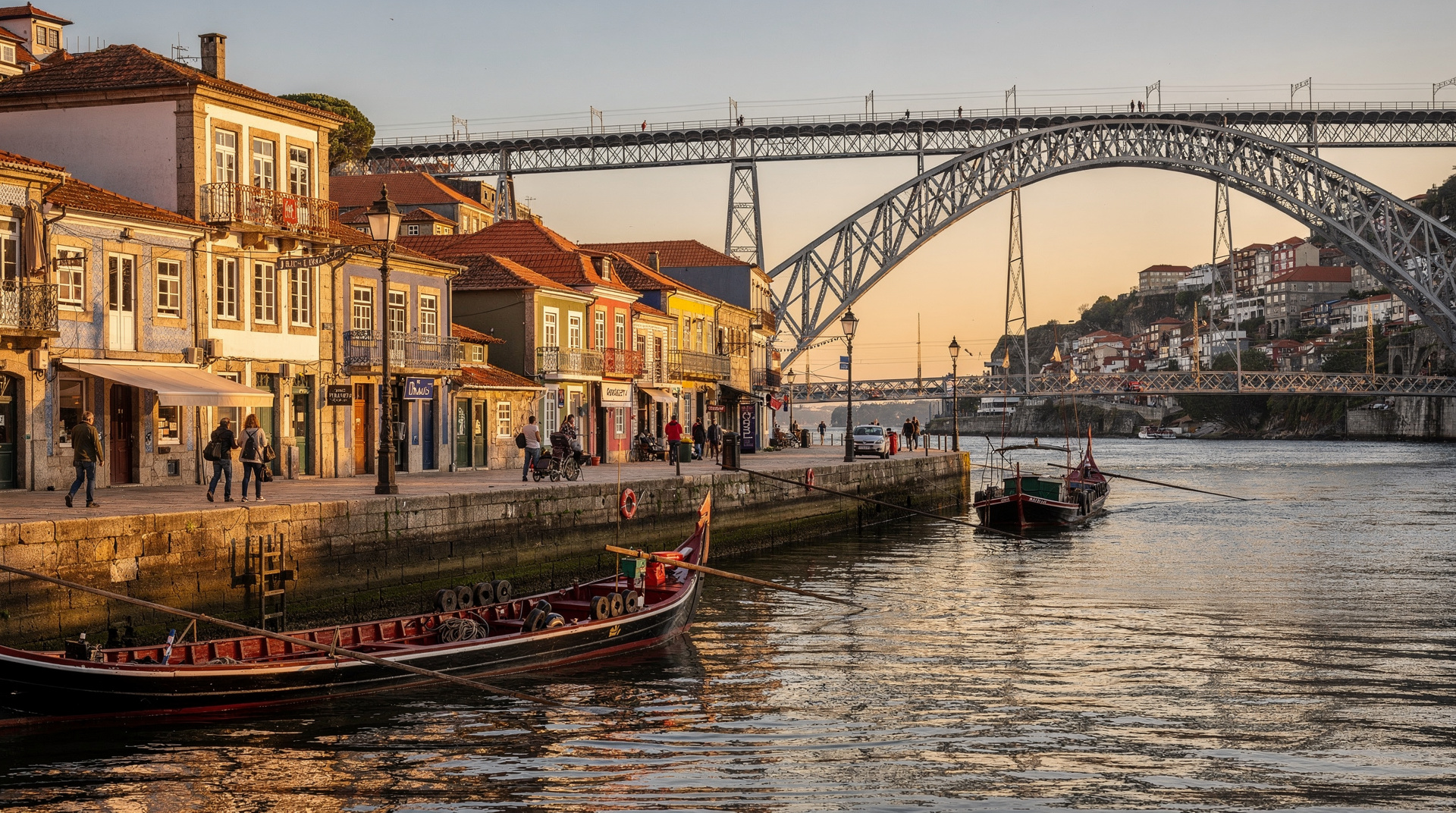
June is Porto’s best month for most visitors and it isn’t particularly close. The weather is warm (22-26°C), reliably dry, and the light has the quality that makes the Douro and the tiled facades photograph the way you imagined they would. Crowds are significant but not yet at the July-August extreme.
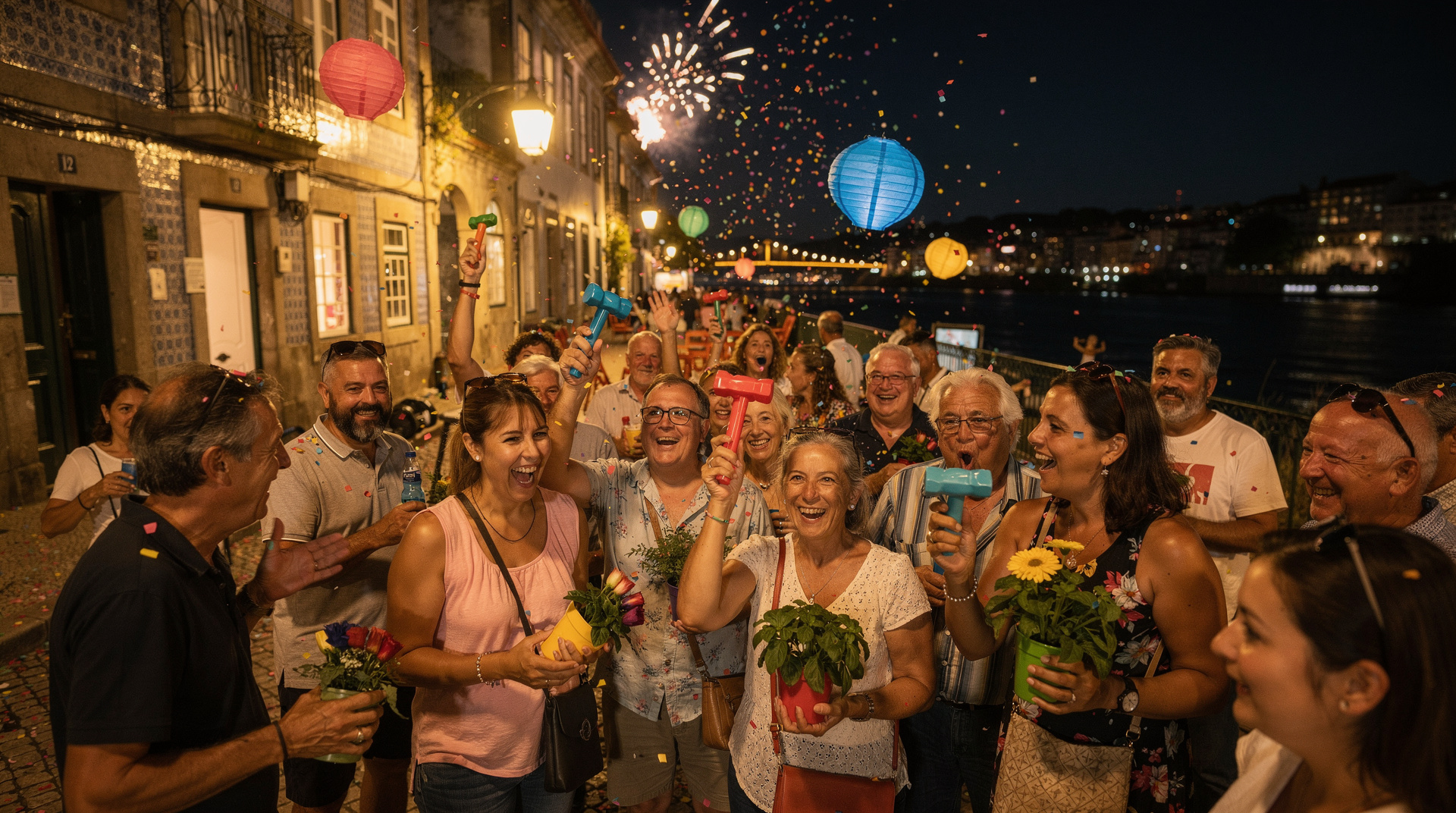
And then there’s São João. The 23rd of June is Porto’s biggest festival — the night the entire city fills with sardine smoke, plastic hammers, leeks, and approximately half a million people celebrating the feast of Saint John. If you visit Porto once in your life and it aligns with São João, the scheduling choice has made itself.
Early June (before the 20th) hits the sweet spot: good weather, manageable crowds, no São João premium on accommodation prices.
September
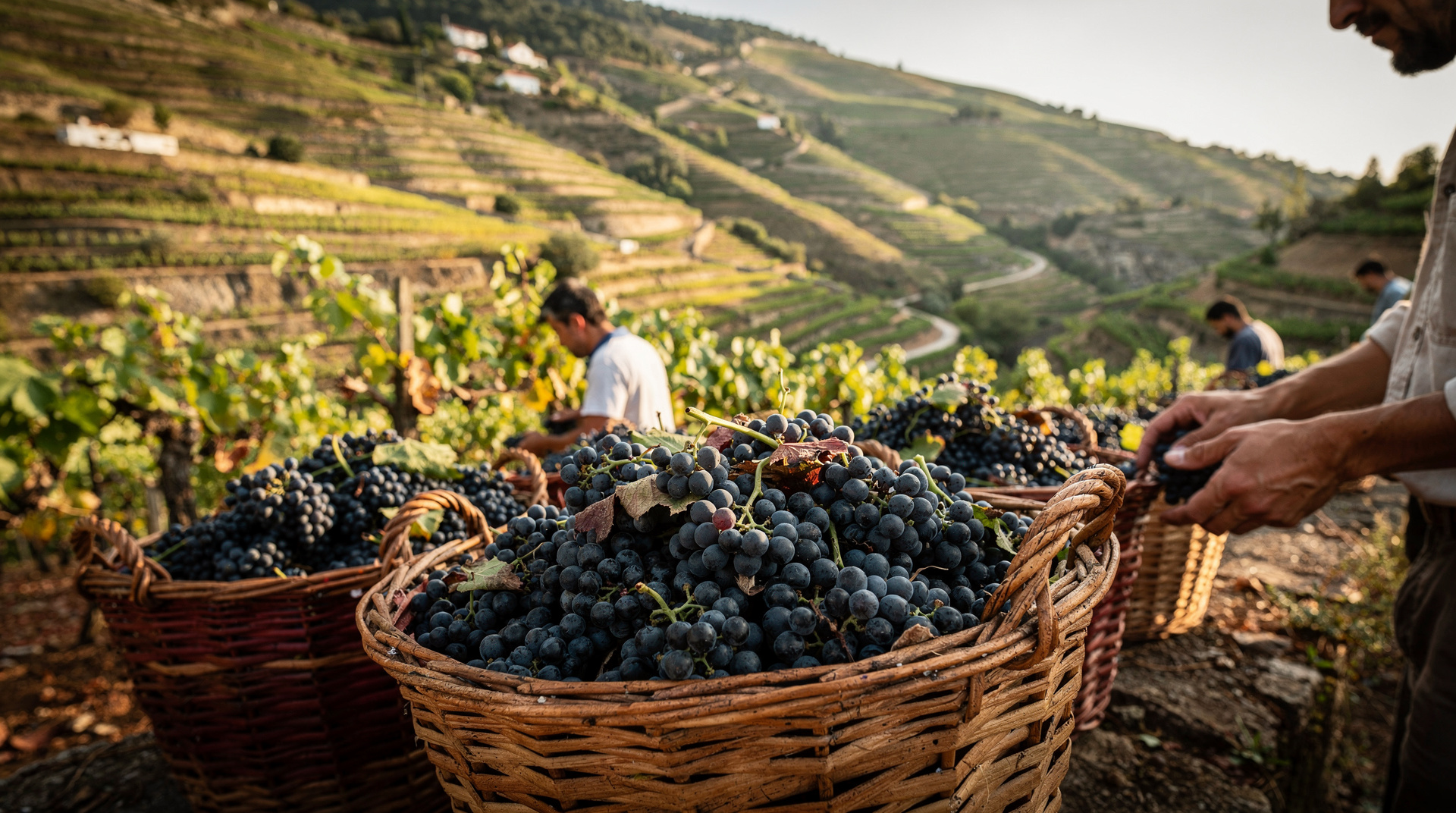
September is Porto’s best month for anyone who dislikes crowds. The Atlantic-influenced climate means September stays warm (20-24°C) and mostly dry, but the summer tourist peak has broken. Hotels drop 20-30% from August prices. The Douro Valley begins its vindima harvest in mid-September — the valley smells of fermenting grapes, the quintas are working at maximum intensity, and an overnight stay at a quinta during vindima is an experience unlike any other.
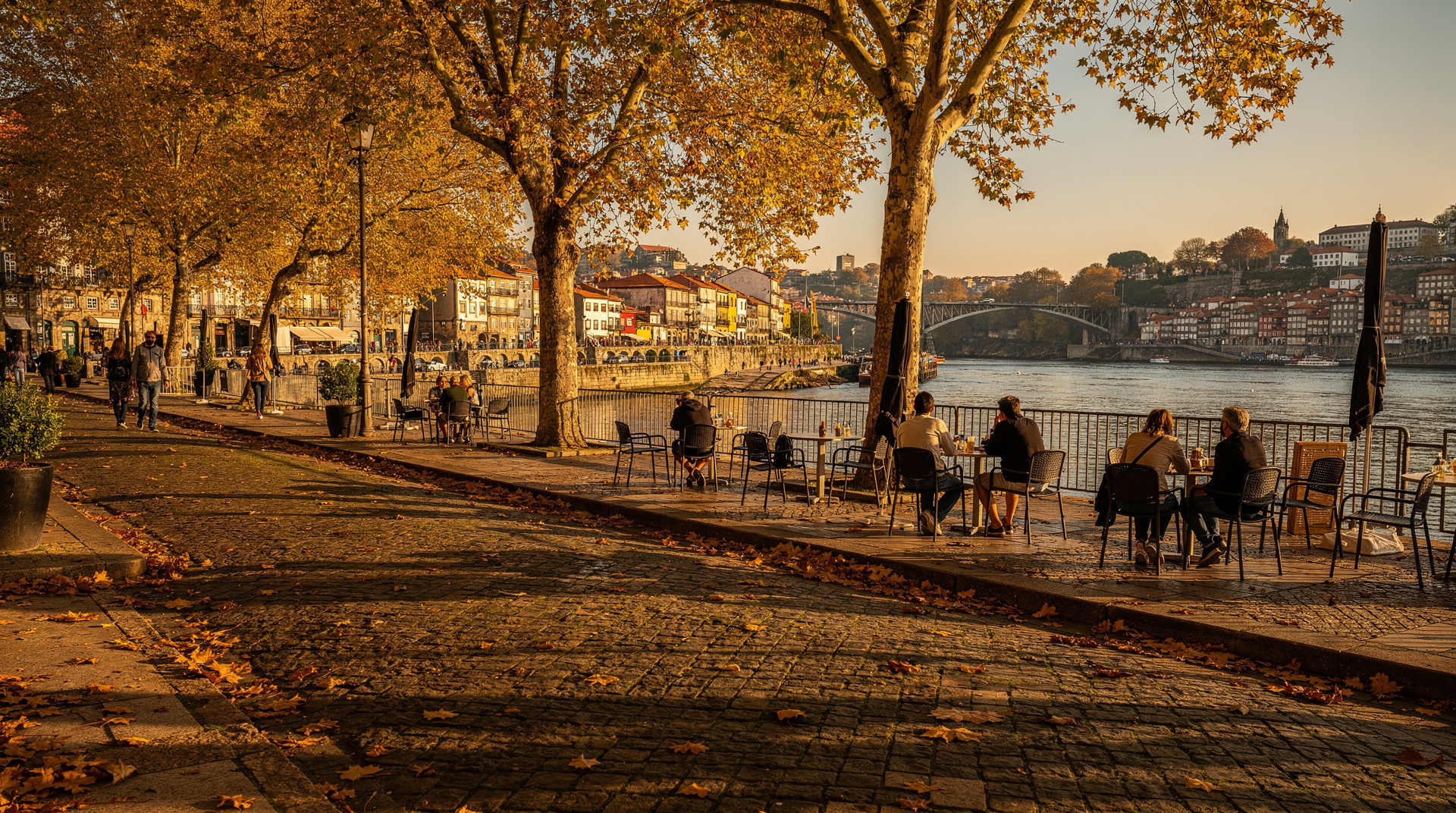
September evenings in Porto — warm enough to sit outside until 10pm, cool enough to need a light layer — are the best version of the city’s outdoor café culture. A glass of port wine on the Ribeira waterfront at sunset in September is the image the tourism campaigns should be using instead of the July ones.
Douro wine and cruise — September timing for vindima contextMay
May is undervalued. Temperatures run 18-22°C, the city is noticeably less crowded than June, and prices are between the shoulder and peak. The Douro Valley is green (the vines are leafing out rather than harvest-ready), which some visitors prefer to the brown schist landscape of summer.
The risk is Atlantic instability: May can deliver three consecutive perfect days followed by two grey ones. This unpredictability is why we rank May third despite it being genuinely good.
Tier two: the underrated options
October
We’ve written a full account of October in Porto and the short version is: it’s excellent if you know what to expect. Temperatures 16-20°C, some rain but not the persistent November variety, dramatically reduced crowds, and a quality of light — low-angle afternoon sun on terracotta and pale stone — that’s better for photography than July.
The Douro harvest is finishing in early October; late October is quiet on the wine estate front.
April
April is similar to May but slightly cooler (15-19°C) and slightly wetter. The Easter weekend can be busy if it falls in April. Otherwise a solid shoulder-season choice with good availability and reasonable prices.
Tier three: honest tradeoffs
March
Cool (12-16°C), variable, few crowds, cheapest hotel prices of the non-February months. The city functions normally but the outdoor culture — café terraces, river walks, viewpoints — is less rewarding in March’s frequently grey light. If budget is the primary constraint, March works.
December
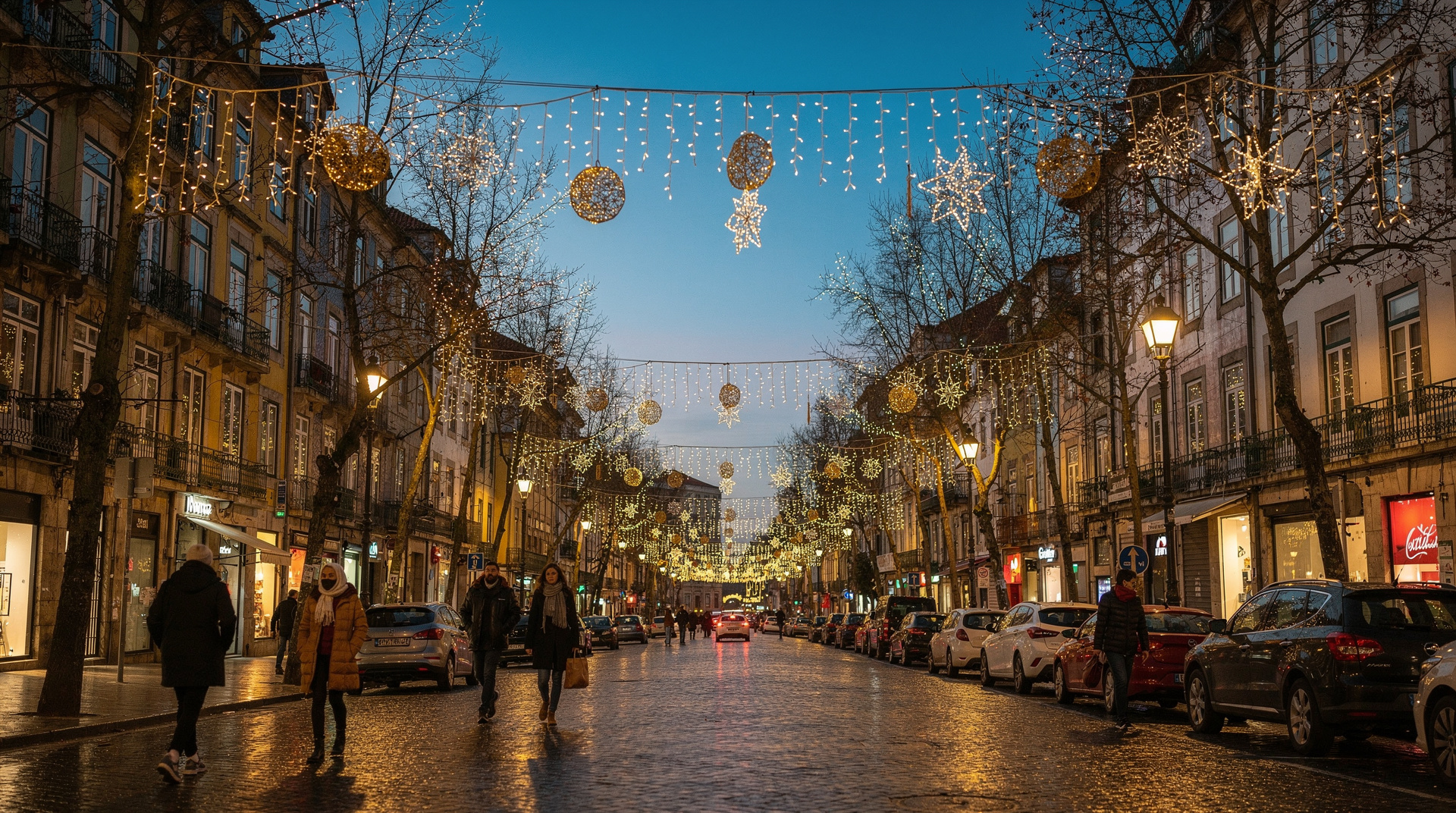
We rate December more positively than most “best month” lists. The Christmas market and lights are genuinely good, port wine in cold weather is the right beverage, and the city has a quality we’ve described as belonging to itself rather than its visitors. Prices are low, crowds are low, and the atmosphere in the tascas and cafés is more authentic than in July. The downside: some outdoor things are limited, and the Douro valley tours are reduced.
November
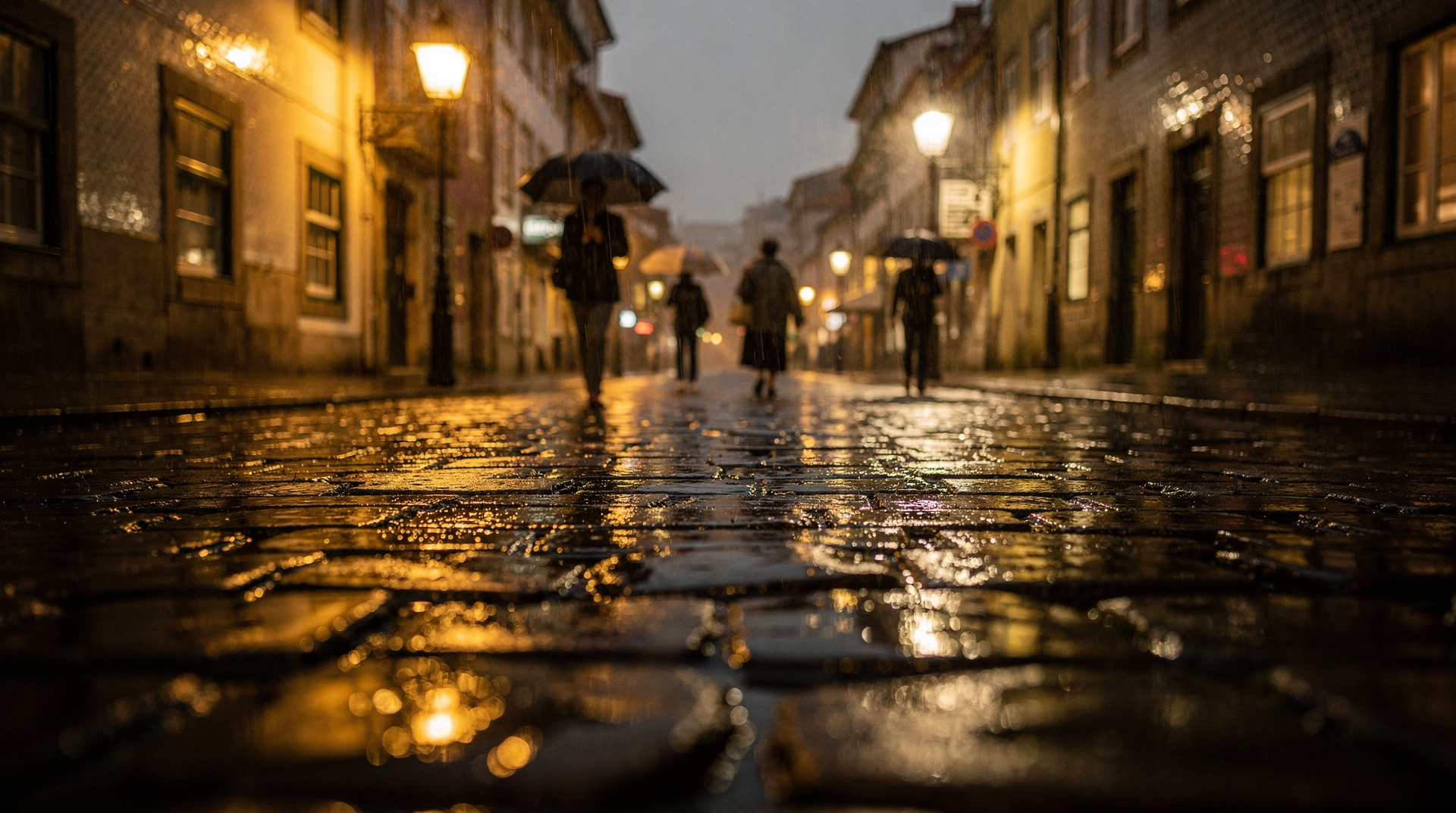
Porto’s wettest month. The Atlantic delivers rain with commitment. That said, the city’s indoor culture — cellars, museums, churches, cafés — is unaffected by weather, and November prices are the second-lowest of the year. We have a full rainy day guide for exactly this scenario.
Tier four: not recommended unless forced
July and August
We feel genuine ambivalence about recommending July and August despite their popularity. The weather is excellent (25-30°C, reliably dry). The problem is everything else: Livraria Lello queues that stretch 200 metres by 10am, Ribeira restaurants with quotas for tables, Taylor’s and Graham’s cellar sessions booked out three days in advance, hotel prices double or triple what they are in shoulder season.
If you must visit in July or August, book everything at least 6 weeks in advance, plan your days around the 9-11am window before the crowds peak, and manage expectations around spontaneity.
January and February
Cold (10-14°C), grey, wet, and with reduced hours at attractions. The only people who enjoy January Porto are people with deep experience of the city who come specifically for the quiet, or budget travellers who can secure very cheap accommodation and spend their time in cellars and cafés reading.
February is marginally better than January because the almond blossoms appear in the Douro Valley and the days are getting longer. Still not recommended as a primary choice.
How to use this ranking
The ranking above applies to a first-time visitor prioritising weather, manageable crowds, and access to the full range of experiences. Adjust as follows:
- Budget travel: push toward March, November, or December
- Wine focus and vindima: September is first, not second
- São João specifically: June only, book accommodation by April
- Families with school-age children: July or August (unavoidable) — book six to eight weeks out
See our Porto 3-day itinerary for how to structure any month, and our planning guide for Douro day trips which are affected by season more than the city itself.
Month by month, at a glance
| Month | Temp range | Crowds | Notable |
|---|---|---|---|
| January | 10–14°C | Lowest | Cheapest, reduced hours |
| February | 10–14°C | Low | Almond blossom starts in Douro |
| March | 12–16°C | Low | Cheapest of the non-winter months |
| April | 15–19°C | Moderate | Easter can spike prices |
| May | 18–22°C | Moderate | Weather unpredictable but green Douro |
| June | 22–26°C | High | São João on the 23rd |
| July | 25–30°C | Very high | Book everything 6+ weeks ahead |
| August | 25–30°C | Very high | Peak prices |
| September | 20–24°C | Moderate, dropping | Vindima begins mid-month |
| October | 16–20°C | Low-moderate | Best light for photography |
| November | 12–16°C | Low | Wettest month |
| December | 10–14°C | Low | Christmas markets, low prices |
Porto’s best time to visit, cross-checked
This ranking matches our own visits, but it’s worth cross-referencing against the wider Porto best time to visit guide, which breaks the calendar down by traveller type (families, wine focus, budget) rather than a single overall ranking. If your priority is specifically the Douro Valley rather than Porto itself, the best time for Douro vindima guide narrows the window further — vindima timing shifts by a couple of weeks each year depending on the growing season.
What we’d change about our own past trips
Looking back at seven visits across different months, the one thing we’d change is stacking too many “essentials” (Lello, Clérigos, São Bento) into July and August visits when we had no choice on timing. If you’re locked into peak summer for work or school-holiday reasons, front-load the queue-heavy sights into the 9–11am window as suggested above, and save the more flexible, less time-sensitive activities — a port cellar tour, a tasca dinner, a walk through Bonfim — for the hotter afternoon hours.
Frequently asked questions
What is objectively the best month to visit Porto? June, by a meaningful margin — warm, reliably dry weather, not yet at peak-summer crowd levels, and (if your dates align) the São João festival on the 23rd, which is Porto’s single biggest annual event.
Is Porto worth visiting in winter? Yes, particularly December, which combines genuinely good Christmas markets with low prices and low crowds. January and February are colder and greyer but still workable if you focus on indoor culture — cellars, museums and cafés — rather than outdoor sightseeing.