Porto during São João: what nobody tells you
| When | Night of 23 June through early hours of 24 June |
| Where | Citywide, especially Ribeira, Aliados, around Clérigos |
| Cost | Hammer 3–4 €, sardine 2–3 € — a cheap night out overall |
| Accommodation | Book 3+ months ahead; prices roughly double |
| Getting around | Metro stops at normal hours — plan to walk after midnight |
The night Porto goes entirely feral
I want to start by being honest: I did not fully understand what São João was before we arrived. I’d read the description — “major street festival, 23 to 24 June, Porto’s biggest celebration” — and nodded along as if I knew what that meant. I did not. Nothing I’d read had communicated the sheer volume, the participatory chaos, the sardines.
We arrived in Porto on the 23rd of June at around 5pm. The city already had the feel of something about to happen. Stalls were being set up on every main street, selling grilled sardines, plastic hammers in neon colours, leeks tied with ribbon, and basil plants in little pots. People were buying the hammers. Children were testing them on their parents’ heads. Nobody objected.
This is São João: the feast of Saint John the Baptist, celebrated on the night of the 23rd with an intensity that transforms Porto from a manageable city into an open-air party for roughly half a million people.
What actually happens
The tradition requires explanation because from the outside it looks like complete chaos, which it is, but there is structure to the chaos.
The hammers — malleted plastic things that squeak when you hit someone — are used to tap strangers on the head. Affectionately. Repeatedly. You buy one, you join in, and for twelve hours nobody minds being hit on the head by a stranger because everyone is hitting everyone. By midnight on the 23rd, every street in Ribeira, Bonfim, and Baixa is packed with people squeaking hammers at each other.
The leeks are the more traditional version — hit people with a bunch of leeks instead, which is somehow less absurd-seeming once you’ve been squeaked at for three hours. The basil plants are gifts exchanged between couples and friends with little poems attached.
And then there are the sardines. Everywhere, all night: fresh sardines grilled over charcoal on tiny portable barbecues that line every street, every alley, every available pavement space. You buy a sardine in a napkin (around 2-3 €), eat it standing up with bread, and repeat every forty minutes or so for the rest of the evening. The smell of charcoal and fish hangs over the entire city.
Getting into it properly
We made the mistake of watching the first hour from a café terrace in Ribeira, nursing our drinks and observing like anthropologists. This was the wrong approach. By 10pm we had bought hammers (3 € each from a street stall), located the nearest sardine stand, and actually started moving with the crowd rather than against it.
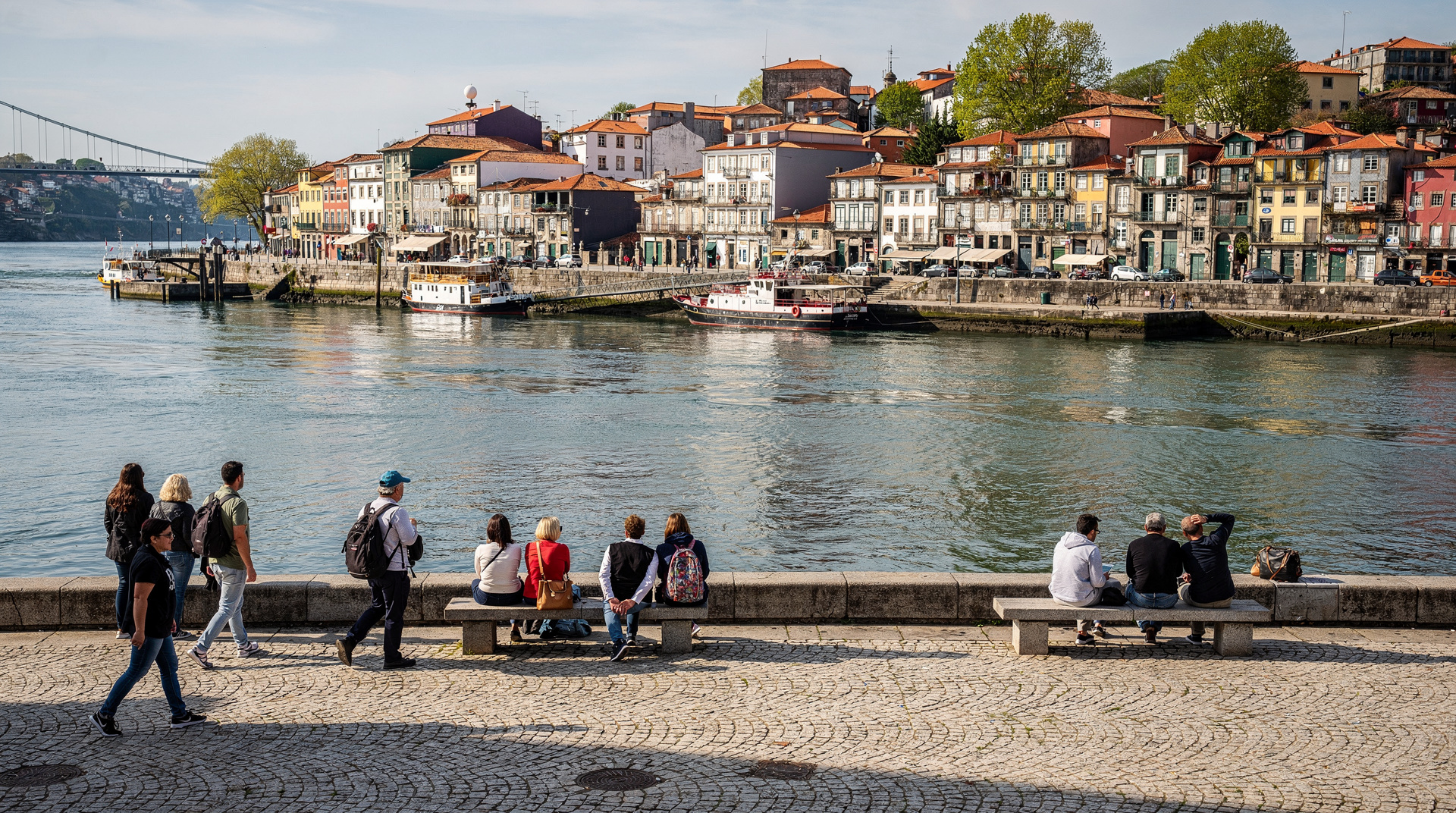
The movement matters. São João is not a festival you watch — it’s one you walk through, gradually, stopping for sardines and wine and the occasional squeaking assault, drifting from street to street as the music changes. Every neighbourhood has a different character: Ribeira is packed and tourist-heavy by midnight, but if you walk ten minutes up into Cedofeita you find the same party with a more local flavour.
A local walking tour to understand Porto’s neighbourhoods before São JoãoWe ended up in a square near the Clérigos tower around midnight, wedged between a sound system playing 1980s Portuguese pop and a family grilling sardines on a disposable barbecue. A grandmother offered us wine from an unlabelled bottle. We accepted. It was very good.
The bridges at 2am
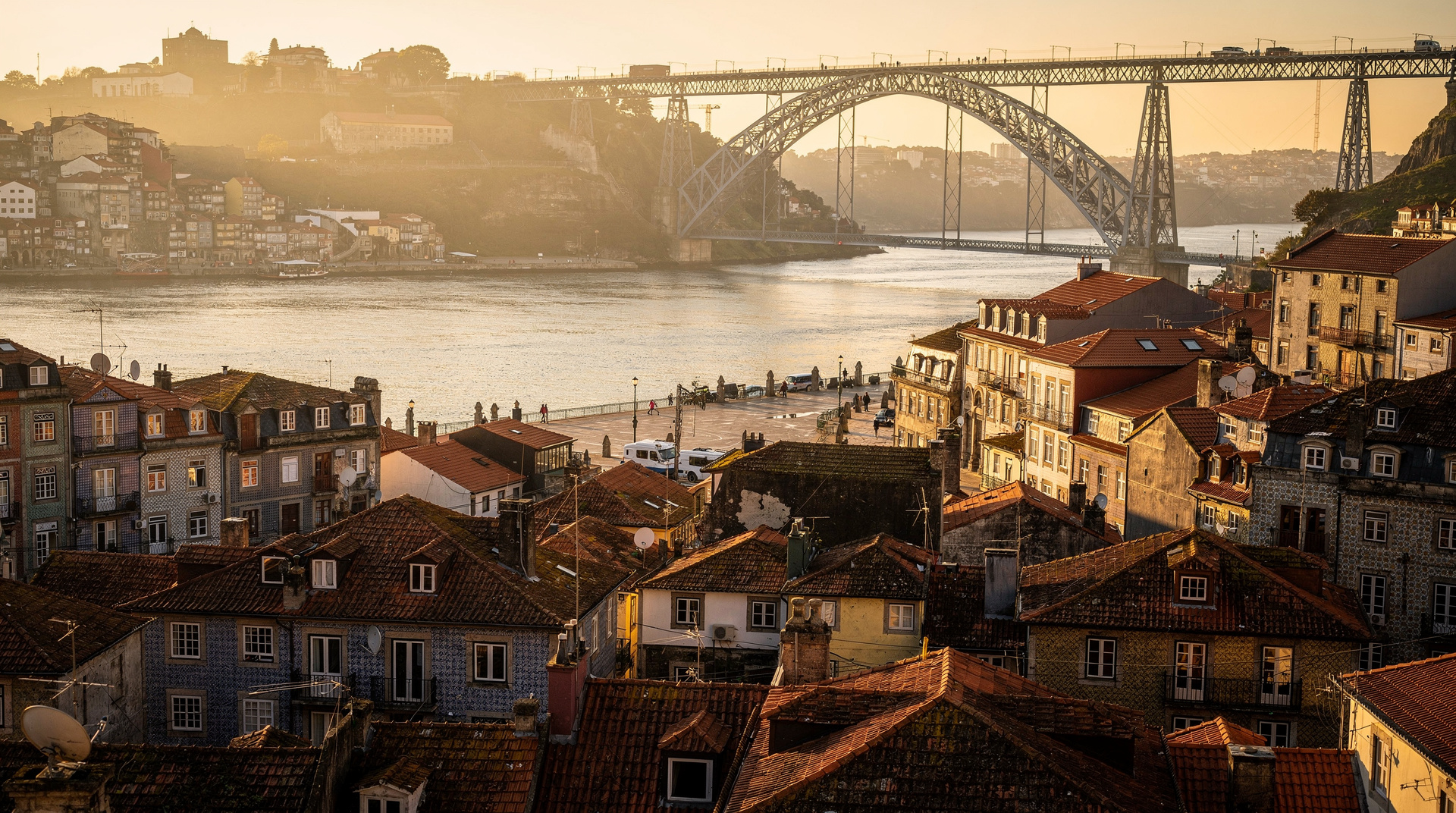
At some point around 1:30am there are fireworks from the river. This is when the crowd migrates toward the water, specifically toward Ponte Dom Luís I and the Ribeira waterfront. We made this migration with everyone else, following the drift of the crowd down through narrow streets.
From the lower deck of the bridge, looking east, the city was lit from behind by fireworks. From the upper deck, you could see the crowd filling every inch of the Ribeira quay below. The reflection of the lights on the water, the noise coming from everywhere at once — this is the image I carry from that night.
We stayed until 3am, which felt like a reasonable exit point. Many people were still very much present. The sardine grills were still smoking.
Where to go depending on what you want
Not every neighbourhood delivers the same version of the night, and picking where to spend most of your time is worth thinking about in advance.
| Area | Character | Best for |
|---|---|---|
| Ribeira | Packed, tourist-heavy after midnight, best fireworks view | First-timers, the classic bridge moment |
| Baixa/Aliados | Busy but more walkable, wide streets | Groups wanting to move around easily |
| Bonfim | Local, residential, less crowded | A calmer taste of the same tradition |
| Cedofeita | Local flavour, ten minutes from Ribeira | Escaping the densest crowds without leaving the party |
Our full São João festival guide goes deeper on the history and the citywide logistics if this account has you convinced to go.
What we got wrong
Shoes. Wear trainers or something you can walk in for six hours on cobblestones in a crowd. I wore clean white trainers and they looked significantly less clean by 4am.
We also underestimated how hot it would be. Late June in Porto can reach 30°C in the daytime and stays warm in the evening. The crowd generates its own heat. A small fan or a spray bottle of water is not an embarrassing thing to carry.
Finding a restaurant for dinner before the festival started proved harder than expected — half the city’s restaurants were operating reduced services or closed entirely to let staff join the festival. We ended up eating from street stalls, which was honestly the right choice anyway.
Accommodation during São João
Book early. Very early. The festival is one of the most visited events in Portugal and hotels in central Porto sell out months in advance at significantly inflated prices. We paid nearly double the October rate for our guesthouse near Bolhão. Worth it — but not something we’d leave to last minute again.
If you’re looking at 2-day itineraries for Porto, building one around São João (arriving 22nd, spending the 23rd in the city, festival night 23-24) is the optimal structure. Late June also sits right at the edge of what our best month to visit guide calls the busiest and most expensive stretch of the year — go in with that expectation rather than being surprised by it.
The morning after
Porto on the morning of the 24th of June is extraordinary in a different way. The streets are quiet — genuinely quiet — strewn with the remains of the night: sardine napkins, broken hammers, ribbon from leeks, the occasional spent sparkler. The cafés that are open serve espresso to the survivors. The Douro is flat and still.
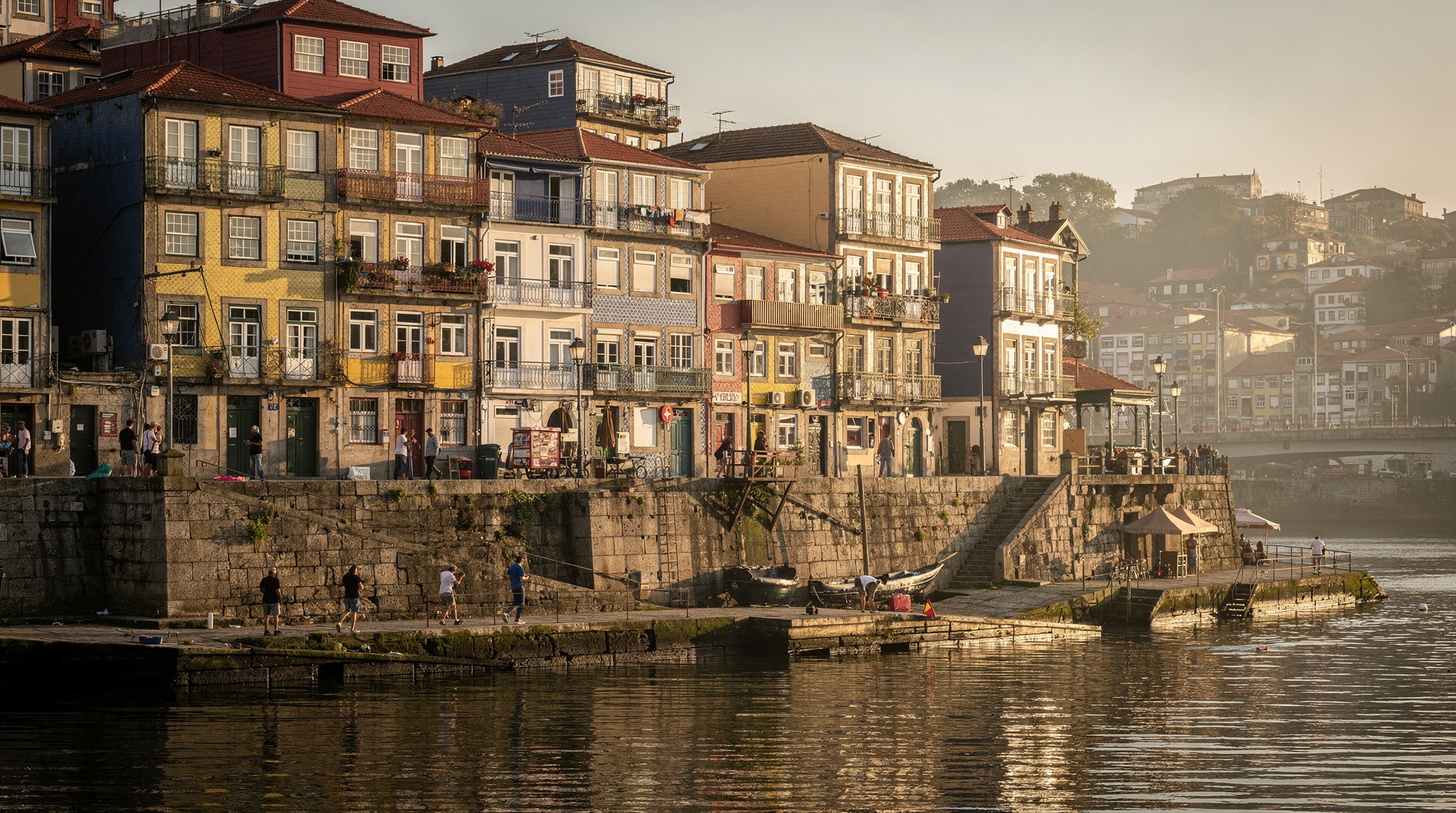
We had the city almost entirely to ourselves until noon. Wandered the empty Ribeira, watched the river, ate the best pastel de nata of the trip at a place on Rua de Santa Catarina. The post-São João morning is its own small gift.
Porto food experience — good for the day after São João when you want to eat properly againPractical notes for São João
- When: the evening of 23 June through the early hours of 24 June
- Where: the entire city, but especially Ribeira, Aliados, and the streets around Clérigos
- What to buy: a plastic hammer (3-4 € from any street stall), it’s mandatory participation equipment
- Sardines: 2-3 € per sardine at street grills, comes with bread
- Getting around: metro stops running at normal hours — after midnight you’re walking. Plan ahead.
- Safety: the festival is genuinely festive and generally safe, but it’s an enormous crowd. Keep bags close, be aware of your surroundings, stay with people you know.
- Accommodation: book 3+ months in advance minimum