Kayak and SUP on the Douro — Porto and Gaia river paddling guide
Porto: Porto Douro River Kayak or Standup Paddleboard Tour
Can I kayak or paddleboard on the Douro in Porto?
Yes. Several operators offer guided kayak and SUP sessions on the Douro from Foz do Douro and the Gaia bank. Sessions typically last 2 hours and cost 25–45 €. The calmer morning hours are best. The river has commercial boat traffic, so independent paddling without a guide is not recommended for visitors unfamiliar with the waterway.
Here is the practical snapshot before the full breakdown of where to paddle and what to expect on the water.
| Where | Foz do Douro (main launch) or Gaia bank |
| Cost | 25–45 € for a guided 2-hour session |
| Time needed | 90 minutes on the water, plus briefing |
| Getting there | Metro Line A to Foz, or walk from Gaia waterfront |
| Best time | Mornings (8–10 am), May–October |
Paddling on the Douro — what the experience actually looks like
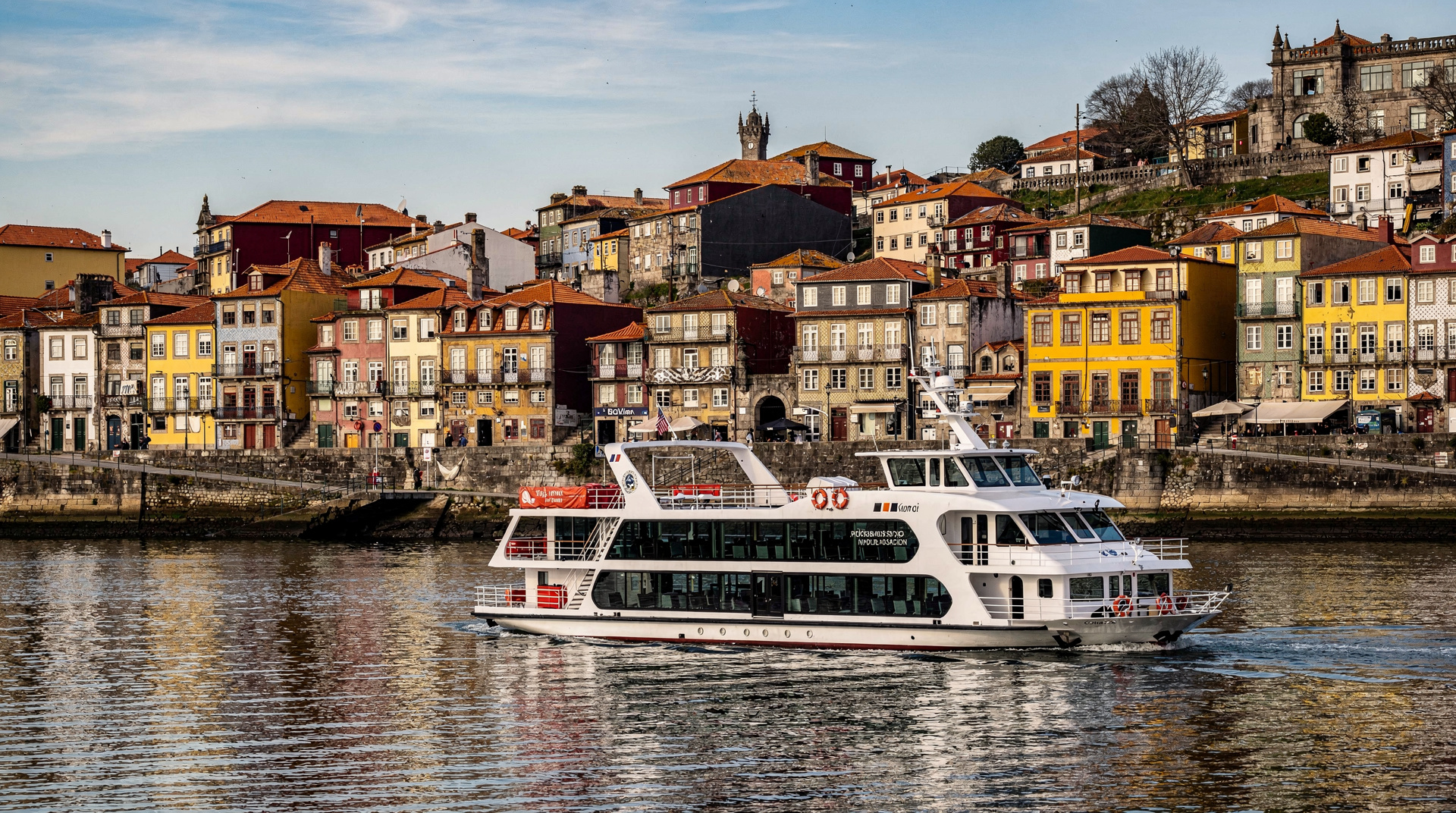
The Douro in Porto is not a wilderness river. It is an active urban waterway: commercial cruise boats run 18 hours a day from the Ribeira quay, motorboats cross between Porto and Gaia, and the occasional large vessel still uses the lower reach near the river mouth. Paddling here requires spatial awareness and some respect for river dynamics.
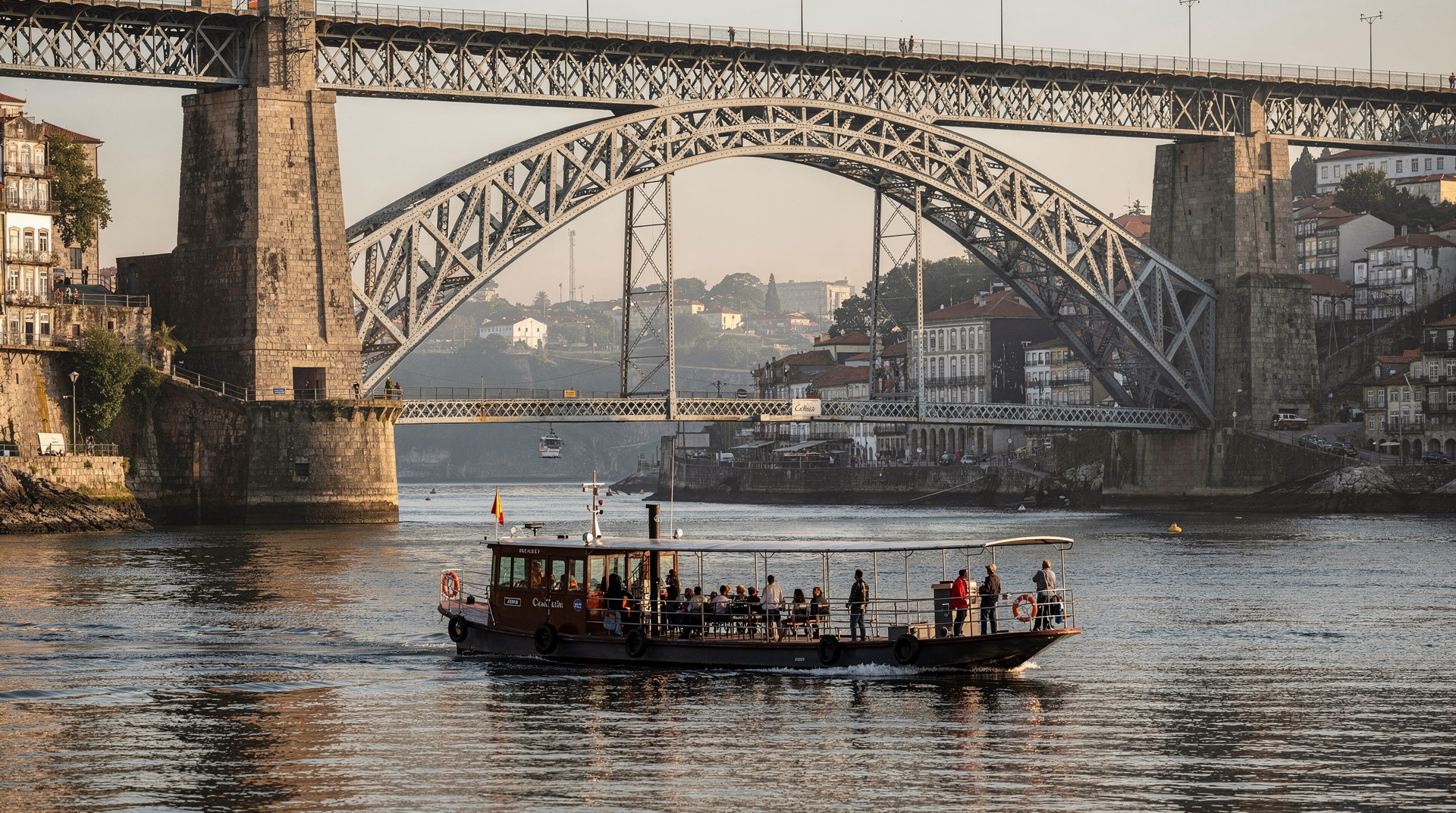
What it also is: one of the most scenic urban paddling settings in Europe. The view from a kayak at water level — looking east toward Ponte Dom Luís I with the stacked Ribeira buildings behind it, the white Gaia hillside to the south — is not replicable from any viewpoint on land or from a large cruise boat. You are close to the water, moving at your own pace, and surrounded by the city in an intimate way that the standard tourist experience does not offer.
Guided sessions on the Douro are run by several operators, most based at Foz do Douro (the river mouth area) or from the Gaia bank near the waterfront. Sessions typically cover 3–5 km of river with stops at viewpoints, explanations of the bridges and city history, and practical paddling instruction for beginners.
Foz do Douro — the main kayak launch area
Foz do Douro (literally “mouth of the Douro”) is where the river meets the Atlantic, roughly 5 km west of central Porto by the riverside road. The character changes completely here from the urban Ribeira stretch — the river widens, the banks become less built-up, and the horizon opens to the sea.
This is where most kayak and SUP operators base their sessions, for good reason: the river in the Foz section tends to be calmer than the stretch between the six bridges, commercial boat traffic is lighter, and the views — back east toward Porto and west toward the open Atlantic — are extraordinary.
From Foz, a guided session typically takes you upstream toward the six bridges, stopping to appreciate the Dom Luís I arch from the water, then returns to the launch point. Some operators offer a coastal extension into the Atlantic itself in calm conditions, which requires more skill and is only offered when the swell and wind allow.
Gaia bank — city panorama paddling
Some operators launch from the Vila Nova de Gaia bank, particularly from the area near the waterfront promenade. This gives you an immediate view of the Porto skyline and the Ribeira facades from the moment you push off. The downstream direction toward Arrábida bridge and Foz is more sheltered on the Gaia side than on the Porto bank.
The Gaia launch point is convenient if you are combining the kayak session with a port cellar visit in the morning — you finish your tasting at Cálem or Ramos Pinto and walk five minutes to the launch point for an afternoon paddle.
Book the guided kayak and SUP session on the Douro — the most popular beginner-friendly format, covering the Foz and lower Douro stretch.
SUP yoga and leisure sessions
Stand-up paddleboarding has developed a significant leisure culture in Porto beyond the standard guided tour format. Several operators offer flat-water SUP yoga sessions on the Douro in calm morning conditions — paddleboards anchored in shallow water near the bank, yoga instruction on the board. These are not strictly adventure activities but they attract a specific audience and are worth knowing about.
For straightforward flat-water paddling with views of the bridges, a standard SUP rental in calmer conditions costs 15–20 € per hour at several spots along the Foz promenade during summer months.
Kayaking in the Douro Valley — a separate adventure
The Pinhão section of the Douro Valley, roughly 140 km east of Porto, offers a completely different kayak environment. The river here is deeper in the gorge, surrounded by terraced vineyards, and considerably calmer than the urban stretch — no cruise boat traffic, no commercial wash. The visual payoff is enormous: paddling between vine terraces with white quintas visible above is one of the most immersive Douro Valley experiences available.
Book the Pinhão rabelo and kayak combination experience — a half-day format combining a traditional rabelo boat ride with a kayak session in the vineyard section of the river.
This option is best suited to visitors already spending time in the Douro Valley — those on the Douro wine lovers 4-day itinerary or who have booked the Porto to Régua cruise with an extended valley stay.
The combined Porto adventure day
For active travellers who want to make outdoor experiences a central part of their Porto visit, a well-structured adventure day might look like:
Morning (8–10 am): Kayak session from Foz do Douro — calm morning water, best light, fewer cruise boats. Return by 10:30 am.
Midday: Walk or cycle along the riverside Avenida Marginal to Matosinhos for seafood lunch (15–25 € at one of the promenade restaurants).
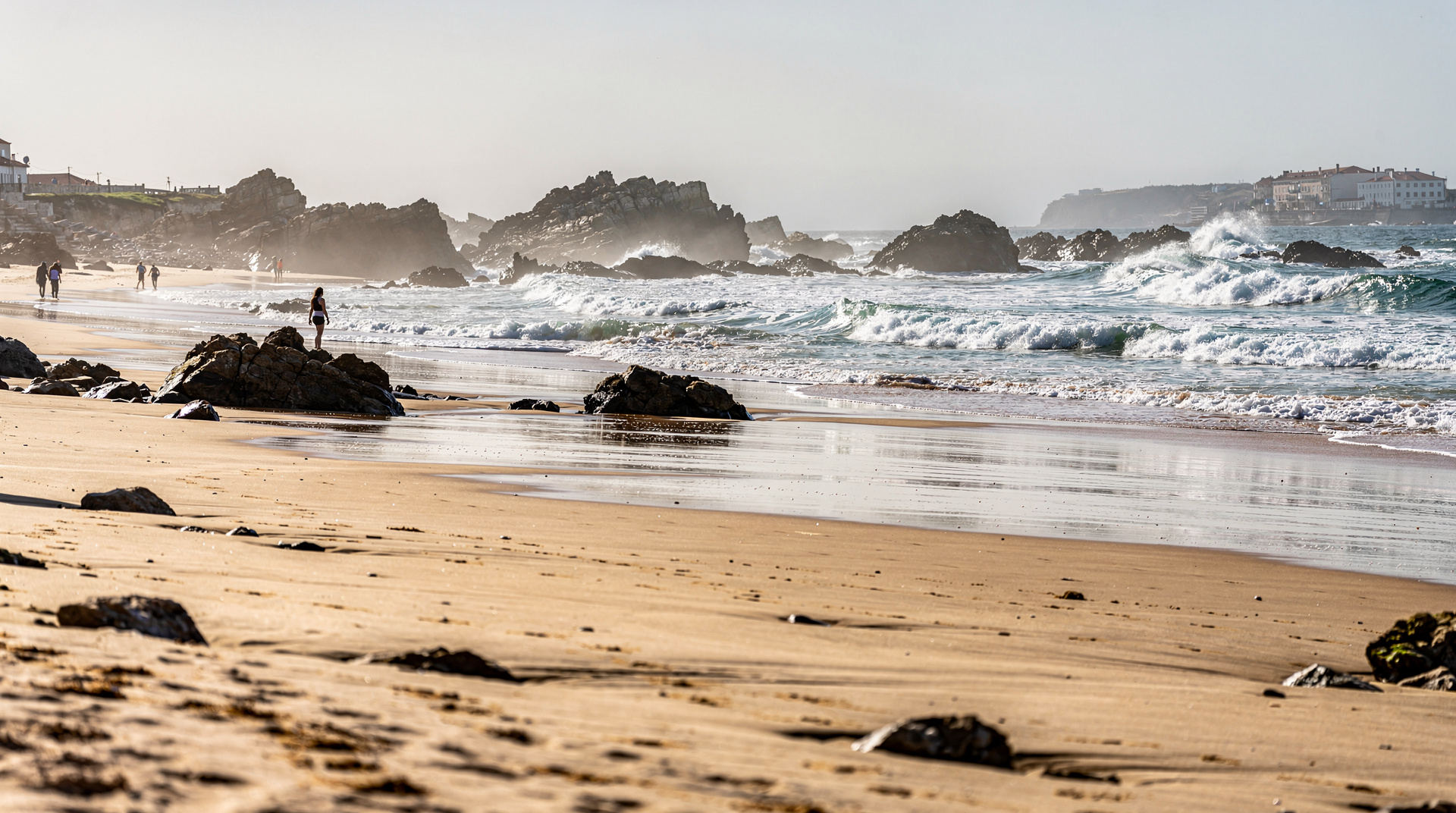
Afternoon (2–4 pm): SUP or surf lesson at Matosinhos beach — the beach is a 10-minute walk from the kayak launch area.
Evening: Return to Porto by metro (Line A, Matosinhos Sul → Trindade, ~15 min) for dinner in the city.
This sequence is physically demanding but logistically straightforward — all three elements are within 5 km of each other on the coast north and west of central Porto.
Book the 4x4 and kayak Douro vineyard combination — for travellers who want to combine water activities with a vineyard landscape experience in a single organised tour from Porto.
Private and SUP Paiva options
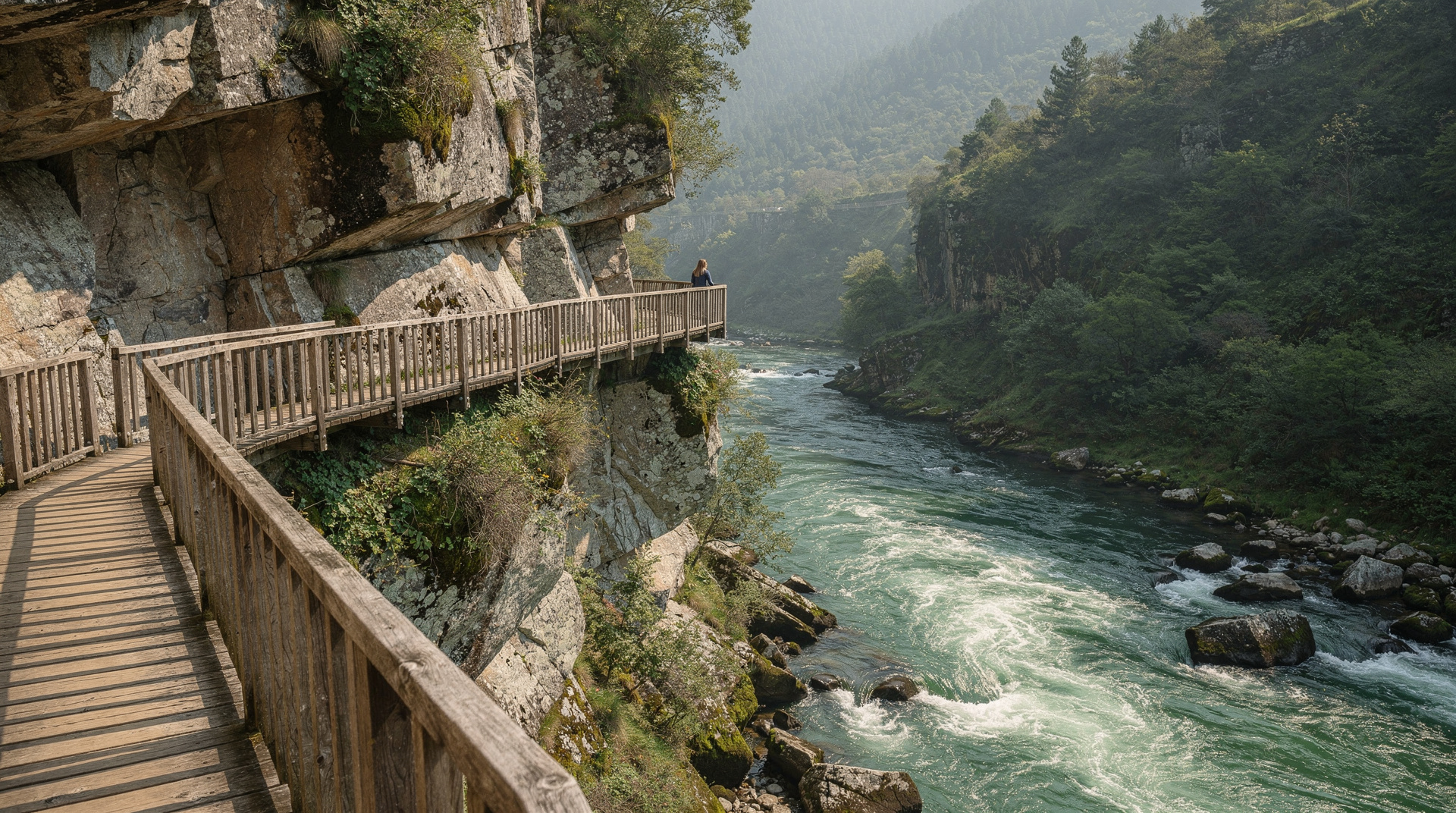
For travellers interested in paddling in a more natural, wilderness-adjacent setting — away from the urban Douro — the Paiva River in the Arouca Geopark offers SUP and kayak experiences in a completely different environment. The Paiva flows through a schist gorge with forest on both banks, and the water is significantly cleaner and colder than the Douro urban stretch.
Book a private SUP session on the Paiva River — this is for visitors who want nature immersion rather than city views. The Paiva is the same river near the Paiva Walkways hiking area, and combining a hike on the walkways with an afternoon paddle is possible for fit and motivated visitors.
Practical notes — what to bring and what to expect
What to wear: Quick-dry synthetic clothing. Avoid denim and heavy cotton — they become uncomfortably heavy when wet. In summer (June–September), board shorts and a rash guard are ideal. In spring and autumn, a wetsuit or neoprene top from the operator is worth renting if available.
What to bring: Sunscreen (high factor — water reflects UV intensely), a water bottle, a waterproof phone case or dry bag for valuables. Leave cameras and expensive electronics in the car or accommodation unless you have a proper waterproof housing.
Fitness level: Guided beginner sessions on the Douro require moderate fitness — you will paddle for 60–90 minutes. No specific training is needed, but if you have any shoulder or upper body injuries, discuss them with the operator before booking.
Shoes: Water shoes or old trainers that can get wet. The Foz launch area has some gravel; Gaia bank areas are typically stone steps.
For the full picture of outdoor and beach activities around Porto, see the best beaches near Porto guide and the cycling Porto to Foz guide for activities you can combine in the same coastal section.
Reading the Douro before you paddle — river conditions and safety
The Douro is not a dangerous river for guided paddling, but it is an active waterway with specific characteristics worth understanding before you get on the water.
Tides: The Douro experiences tidal influence as far upstream as the Crestuma-Lever dam, roughly 25 km from the sea. Near Foz, the tidal change can be 2–3 metres and affects both the water level and the current direction. Guided sessions are timed to avoid outgoing-tide conditions when the current at the river mouth can be unexpectedly strong. This is another reason guided sessions are strongly preferred over independent rental at Foz.
Cruise boat wash: The commercial river cruise boats generate significant wash — the wave created by a passing 80-passenger motor launch can be 40–60 cm at the wave crest. On a kayak, this is manageable: you turn the bow into the wave and hold. On a SUP board, particularly for a beginner, the same wave can knock you off. Guides know the departure timetables and will position you to minimise exposure to direct wash. If you rent independently, be aware of the cruise boat schedule and give passing vessels a wide margin.
Current in the Foz section: Near the river mouth, particularly at low tide with an outgoing flow, the current can reach 2–3 knots. For a kayak, this is noticeable but manageable. For a SUP paddler who loses balance and enters the water, it can carry you further than expected before you recover. Stay well upstream of the Molhe Norte bar area unless you are with an experienced guide.
Dam levels and flood conditions: In winter and after heavy rain, the Crestuma-Lever dam releases water that can significantly increase the river’s flow rate through Porto. After substantial rainfall events, some operators suspend operations on the Douro for 1–2 days until levels stabilise. Check with your operator if you are visiting in winter after a period of heavy rain.
Learning SUP in Porto — what to expect in a beginner session
If you have never paddled a stand-up paddleboard, the first session is typically spent learning to stand up at all — and that is the correct priority. Most beginners find that getting to a reliably stable standing position takes 20–40 minutes of practice. The rest of the session is about forward paddling, turning, and managing the board in gentle conditions.
A good beginner SUP session on the Douro follows this rough progression:
- On-land briefing (20 min): Paddle grip, stance, how to get up from a kneeling position, falling safely (always fall to the side of the board, not onto it).
- Kneeling practice (15 min): Paddling from a kneeling position first, getting comfortable with the board’s movement.
- Standing practice in calm water (30 min): First attempts at standing, finding balance, short paddles before losing it.
- Open water paddling (30 min): Once relatively stable, paddling along a section of the river with the guide.
By the end of a 90-minute session, most beginners can stand and paddle for stretches of 5–10 minutes. Some will be paddling confidently; others will spend more time sitting or kneeling. Both outcomes are fine — the water is clean and falling off is part of the experience.
Choosing an operator: what actually matters
Not all guided kayak and SUP operators on the Douro are equivalent, and the differences matter more than price alone. Look for a stated maximum group size — sessions capped at 6–8 paddlers per guide allow genuine one-to-one correction for beginners, while groups of 15 or more mean a guide who can only manage safety broadly, not technique. Confirm the session includes a proper on-land briefing rather than a two-minute equipment handout; the briefing is where tide timing, boat-wash technique and fall recovery get covered, and skipping it is the main reason inexperienced paddlers struggle. Ask whether the route is fixed or weather-dependent — a reputable operator will reroute or shorten a session if wind or boat traffic picks up rather than pushing ahead regardless. Finally, check what’s actually included: a life jacket and dry bag should be standard; wetsuits or booties for cooler months are sometimes an extra charge, so confirm before you show up expecting them.
Combining paddling with a port cellar day
Because the Gaia bank launch point sits a short walk from several port cellars, a paddling session pairs naturally with cellar visits for travellers who want to mix an active morning with a relaxed wine-focused afternoon. A typical combined day: kayak or SUP session from the Gaia bank at 9 am, shower and change at your accommodation or a nearby café, then a port cellar tasting at Taylor’s or Cálem by early afternoon once you’ve had time to dry off and eat lunch. This sequencing avoids the obvious mistake of scheduling a wine tasting immediately before getting on the water, which is both a safety issue and simply less enjoyable than doing the paddling first while you’re fresh, and it avoids arriving at the water still slightly unsteady from an earlier tasting.
Kayak/SUP vs a river cruise: which suits you
Paddling and a standard river cruise deliver very different versions of the Douro, and it’s worth being clear about the trade-off before booking either. A cruise — see the Six Bridges cruise guide or the general best Douro river cruise from Porto guide — is passive, comfortable, weather-tolerant and works for any fitness level or age; you see the bridges and skyline from a stable deck with narration. Kayaking or SUP is active, weather-dependent, and physically engaging; you get closer to the water and a more intimate, slower view, but you’ll finish with tired shoulders and, on a SUP board, probably at least one fall into the river. Neither is objectively better — a cruise suits a relaxed afternoon or a mixed-age group, while paddling suits travellers who want a genuine outdoor activity rather than a sightseeing ride. Doing both on different days of the same trip is common and gives a fuller picture of the river than either alone.
Seasonal overview — when conditions suit each activity
Kayaking:
- Best months: April through October. Calm mornings, manageable current, reliable weather.
- Winter: Possible with proper gear but river levels can be higher and current faster after rainfall. Some operators suspend winter operations.
- Summer peak: River traffic at its busiest. Morning sessions (before 10 am) significantly better than afternoon.
SUP:
- Best months: June through September for the warmest water. May and October are also good in the morning.
- Wind sensitivity: SUP is more affected by wind than kayaking — even a moderate afternoon sea breeze can make flat-water SUP a constant battle. Morning paddling is significantly easier and more enjoyable.
- Winter: Not recommended except for experienced paddlers with cold-water gear.
Pinhão kayak/SUP:
- Best months: May, June, September, October. The valley is spectacular in autumn when the vine leaves turn yellow-red. July and August are very hot in the gorge with no shade on the water.
The porto 4-day itinerary integrates a river paddling session alongside the other outdoor activities available on Porto’s coast. If you are planning a longer Portugal trip, the porto and Douro 5-day itinerary shows how to sequence a Pinhão kayak experience within a broader valley visit.
Frequently asked questions — Kayak and SUP on the Douro — Porto and Gaia river paddling guide
Do I need paddling experience to kayak on the Douro?
No — guided beginner sessions are specifically designed for people with no prior experience. You will receive a 20–30 minute briefing on paddling technique, river safety, and how to handle the kayak or SUP board before entering the water. The Douro in the Foz section is generally calm in the morning, which makes it genuinely accessible for first-timers.Is the Douro safe for kayaking and paddleboarding?
With a guide, yes. The Douro carries commercial river traffic — cruise boats, motorboats, and occasional cargo vessels — which creates wash that can destabilise a paddleboard. An experienced guide knows the river's rhythm, the timing of boat departures, and the calmer channels. Independent paddling on the Douro without prior knowledge of the river is not recommended. In the Pinhão section of the Douro Valley, the river is slower and calmer.How much does a kayak or SUP session cost in Porto?
Guided sessions of 2 hours cost 25–45 € per person. Half-day guided tours with multiple stops run 50–75 €. Equipment rental without a guide (where available) costs 15–25 € per hour for a kayak or SUP board. Most guided sessions include a life jacket, paddle, and waterproof bag. Wetsuit booties are available from some operators in cooler months.What is the difference between kayaking and SUP on the Douro?
A kayak is a seated boat propelled by a double-bladed paddle — more stable in choppy conditions and easier for beginners to control when boat wakes arrive. A SUP (stand-up paddleboard) is paddled standing, which requires more balance and is more demanding physically. SUP gives you a higher vantage point and is more popular for flat-water recreational use. In boat traffic conditions, a kayak is the more stable and controlled option.Can children join kayak or SUP sessions on the Douro?
Yes, for many operators. Most guided sessions accept children aged 8 and above in double kayaks with an adult. SUP is generally restricted to children aged 12 and above who are confident swimmers. Always check age and weight restrictions with the operator before booking. The Porto with kids itinerary suggests how to integrate river activities into a family trip.When is the best time for kayak and SUP on the Douro?
May through October offers the best conditions — warmer water, longer daylight, good weather reliability. Morning sessions (8–10 am) are strongly recommended over afternoon ones, because river traffic from cruise boats builds through the day and creates more wash. The Douro is also calmer and flatter in the morning before the wind picks up. September and October offer the best light for photography from the water.Is there kayaking in the Douro Valley near Pinhão?
Yes, and it is a different experience entirely. Pinhão offers kayak routes through the terraced vineyard section of the valley — slower water, spectacular scenery, and the option to stop at a riverside quinta for a tasting. Some packages combine a kayak session with a rabelo boat ride and wine tasting. The Porto to Régua cruise guide covers how to incorporate valley activities into a longer Douro trip.
Top experiences
Bookable activities with verified prices and instant confirmation on GetYourGuide.