Porto in winter — what to expect from November to February
Porto: Porto Historical Center Walking Tour
Is Porto worth visiting in winter?
Yes, emphatically — but with realistic expectations. Rain is frequent from November through January, and some Douro Valley attractions scale back. The payoff: prices 35-50% below summer rates, uncrowded cellars, restaurants where you can actually get a table, and a city that feels genuinely lived-in rather than managed for tourism.
The honest case for Porto in winter
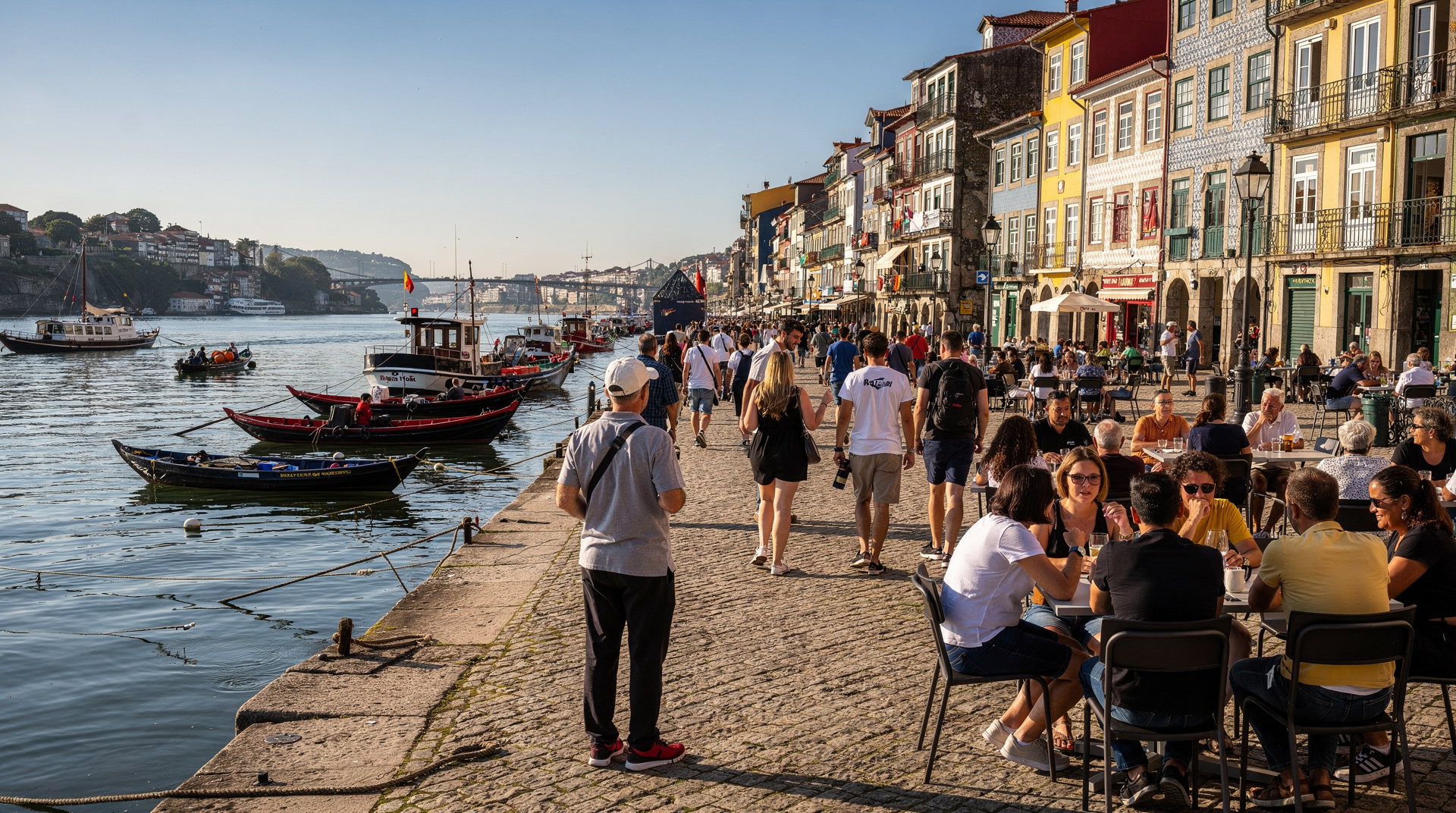
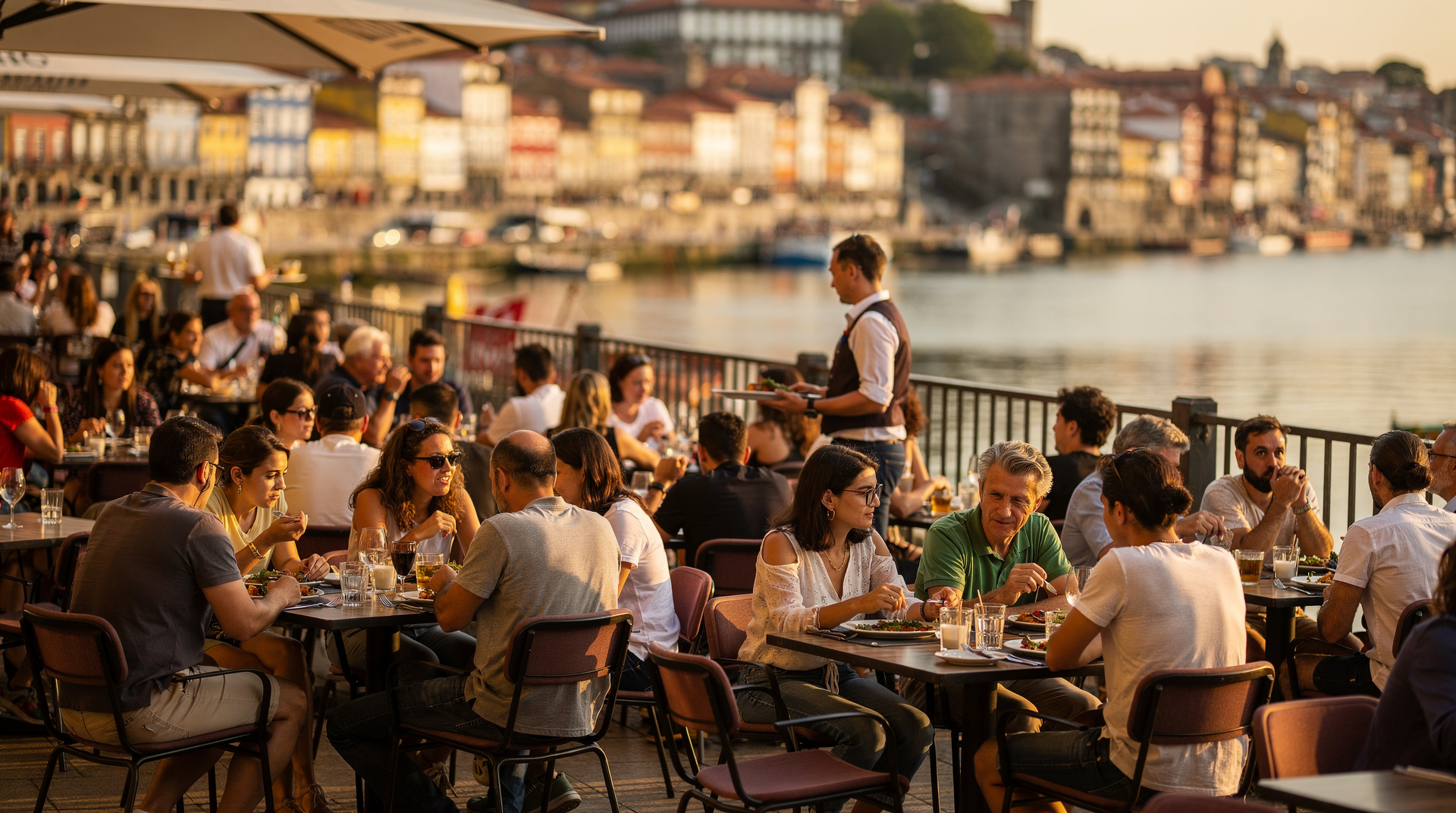
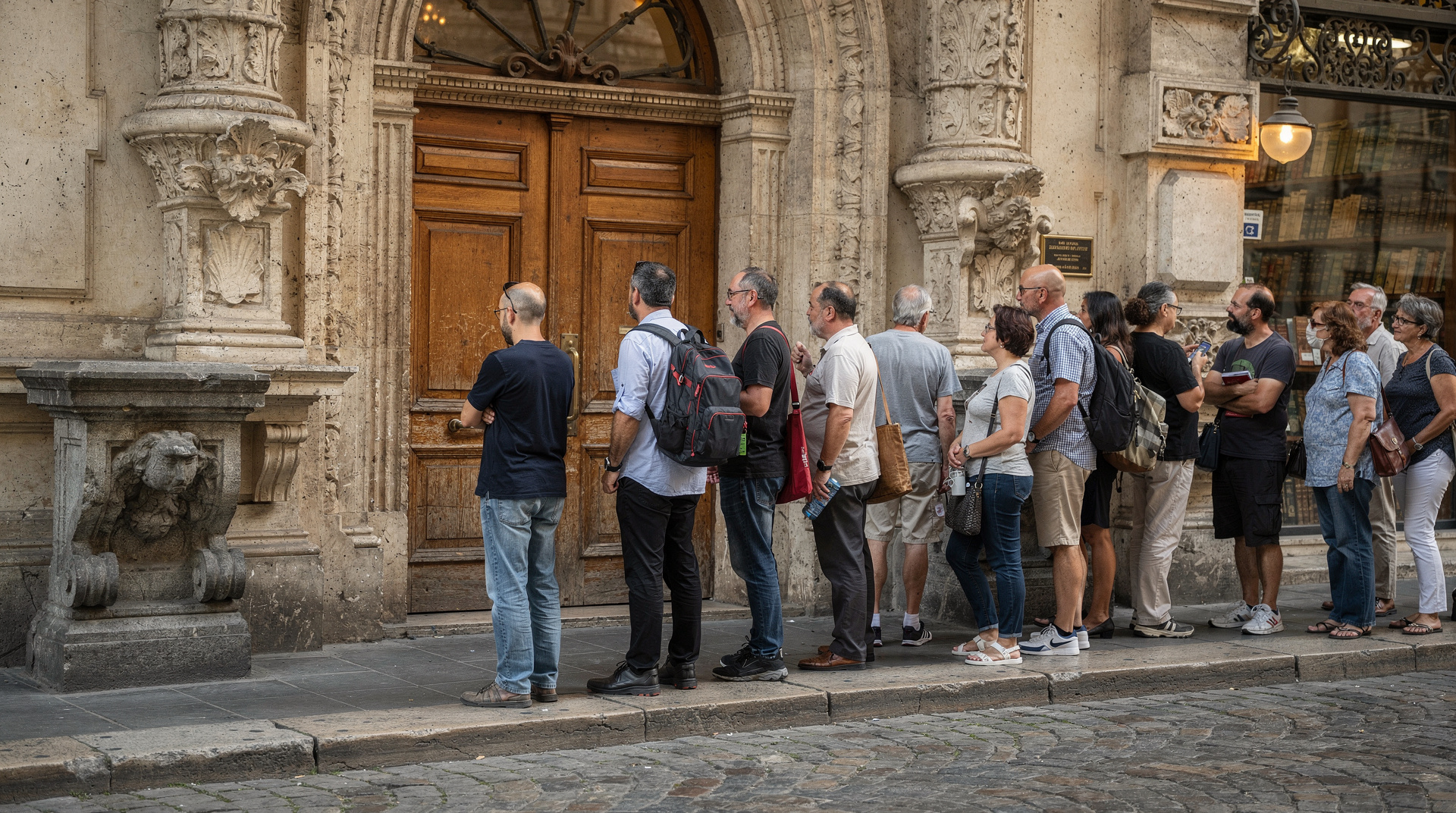
Every travel guide will tell you that Porto is beautiful in any season. What they don’t tell you is that Porto in January with rain coming sideways off the Atlantic, the Ribeira almost empty, and a glass of 20-year tawny port in your hand at Taylor’s lodge with a guide who has time to tell you things, is a substantially better experience than Porto in August with 45-minute queues at Livraria Lello, €26 sardines on the Ribeira waterfront, and hotels at prices that require a mortgage.
Winter in Porto is a genuine alternative, not a compromise. You need to know what it delivers and what it doesn’t.
| Temperature | 7–16°C, coldest in January |
| Rain | Frequent bursts, wettest in November and January |
| Prices | 35–50% below summer peaks |
| Crowds | Lowest of the year, especially January–February |
| Headline events | São Martinho (11 Nov), Christmas market, illuminations |
What the weather actually looks like
November is Porto’s rainiest month. Average temperatures sit between 10-16°C. Rain arrives in extended showers rather than constant drizzle; mornings are frequently clear and atmospheric, with the granite streets and azulejo-covered buildings reflecting a soft northern light. Afternoon showers are common. Pack a proper waterproof rather than a fashion umbrella.
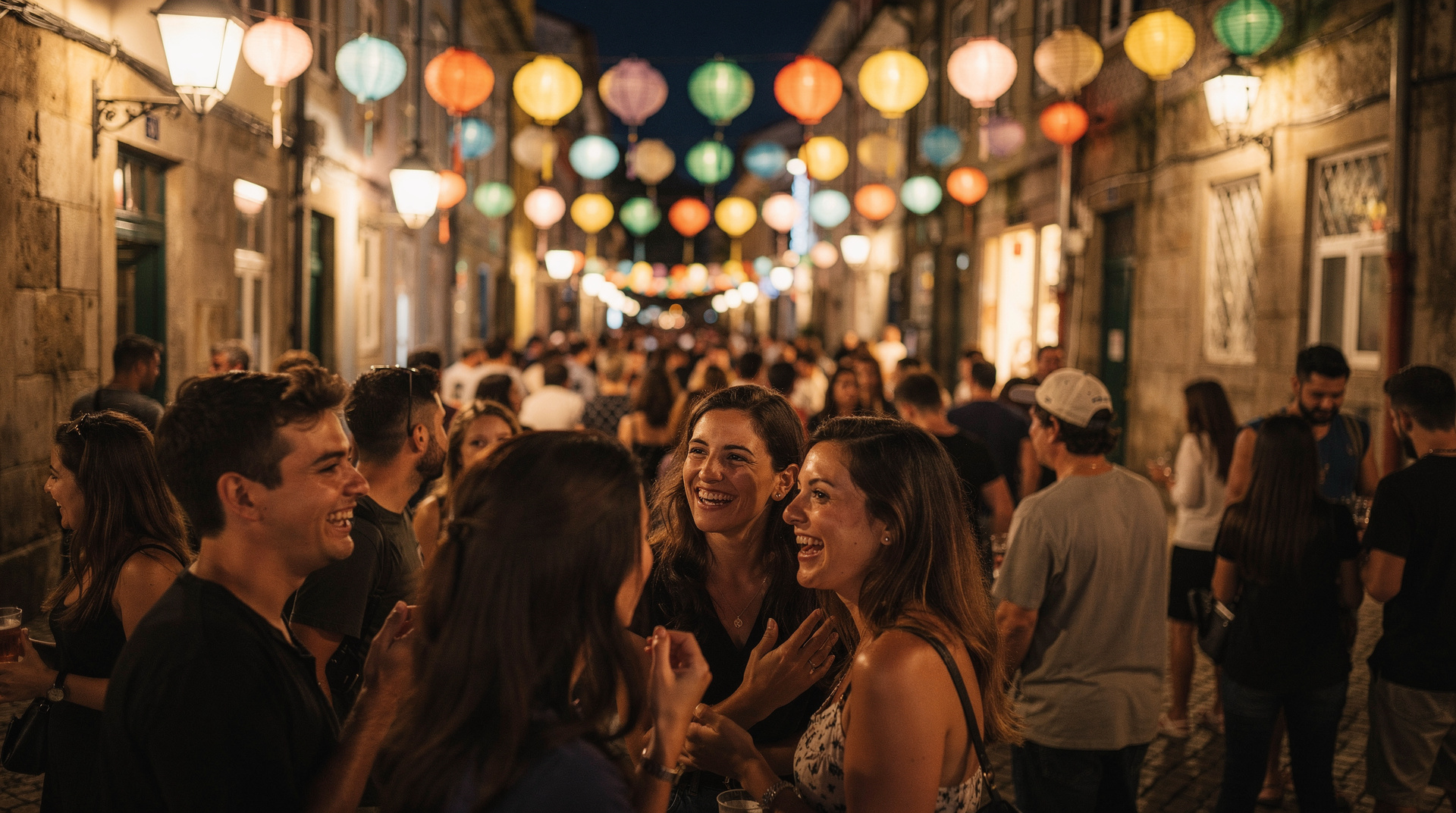
December is comparable — slightly less rain statistically but with more unpredictable short bursts. Christmas illuminations change the feel of the city from mid-December: Aliados boulevard and the historic centre are genuinely well-lit, and the atmosphere is festive without being overwhelming.
January is consistently the coldest month, with temperatures occasionally dropping to 7-8°C at night. It is also one of the driest winter months in practice — the statistics show high average rainfall but January rain tends to concentrate in heavy brief events with clear days between. January is the month with the smallest crowds of the year.
February sees the first hints of spring. Temperatures begin climbing by mid-February. Rainfall decreases. The city remains uncrowded. Carnival (timing varies by year) occasionally falls in February and adds neighbourhood celebrations — not Porto’s main event, but festive enough to add texture.
The critical piece of kit for winter Porto: waterproof shoes with grip. Porto’s historic centre is paved in polished granite and limestone, which becomes genuinely slippery when wet. Every year, visitors in sneakers discover this the hard way on the descent from Clérigos to the Ribeira.
Price reality: how much cheaper is winter
The numbers are straightforward. Hotels that charge €150-220 for a double in July drop to €85-130 in January. The 4-star properties near Aliados and in the Bonfim design-hotel corridor are particular bargains in January — occupancy is low and they compete on price. A hotel that was €195/night in August may be €99 in January.
Flights follow similar patterns from most European airports. Manchester, London, Amsterdam, Zurich: expect to find return fares for well under €120 in January if you book 4-6 weeks out, compared to €250-400+ for the same route in July.
Restaurants also reflect seasonality in subtle ways. The tourist-facing places on the Ribeira waterfront are often closed Monday-Tuesday in January. But the neighbourhood tascas in Bonfim and Cedofeita that close early due to demand in summer are unhurried in winter, willing to talk about the wine, and serving lunch at €9-12 rather than the €18-22 tourist menus of high season.
What opens year-round
Port wine cellars in Vila Nova de Gaia
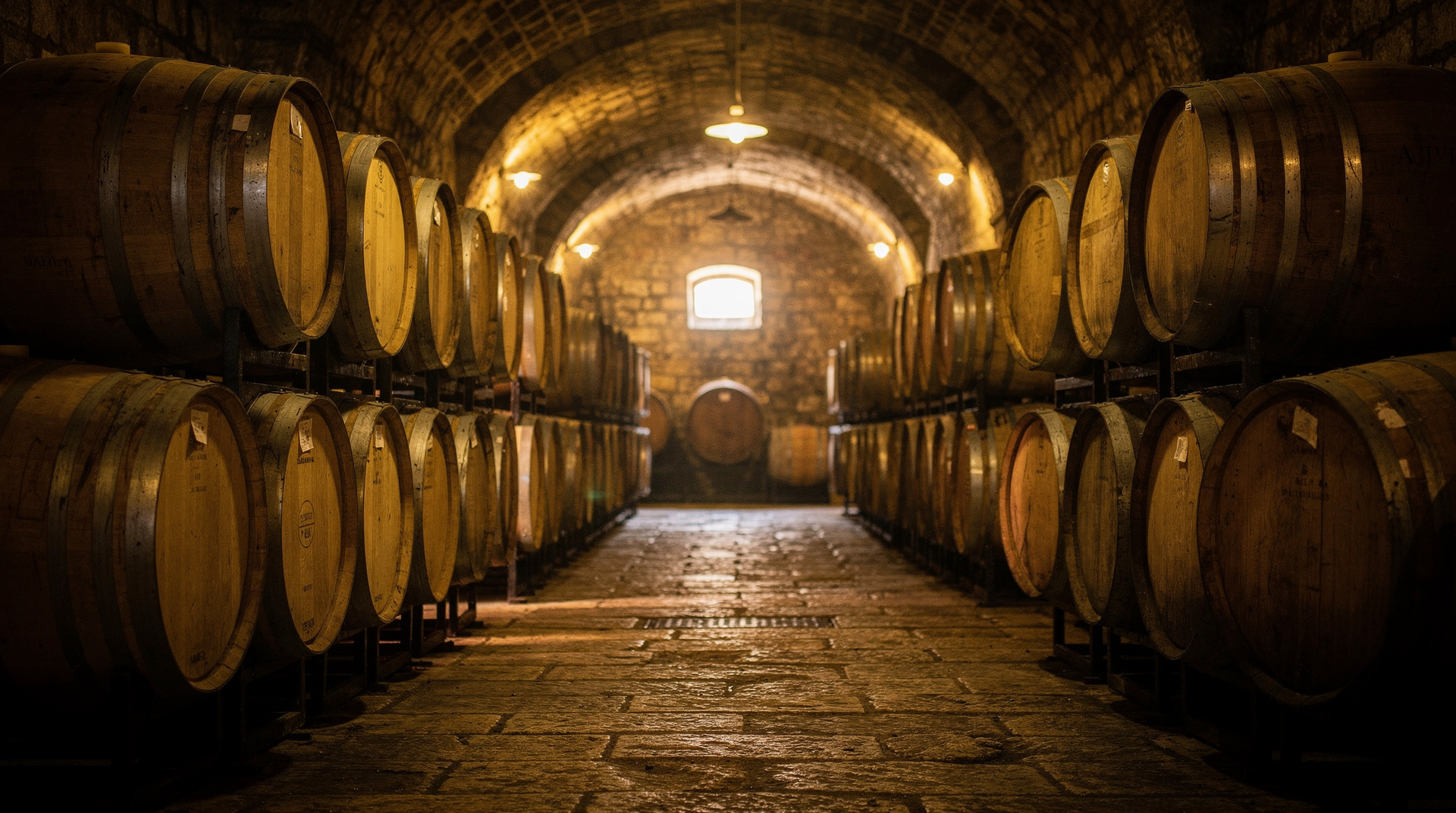
All the major port wine cellars in Gaia operate year-round. Taylor’s, Graham’s, Cálem, Cockburn’s, Burmester and Sandeman maintain regular hours through winter with the qualification that some close slightly earlier and some tours run less frequently mid-week in January.
The winter advantage is significant: you can walk into most lodges without booking. Even Taylor’s, which requires advance booking from June through September, is manageable on a few days’ notice in January. Groups are small — sometimes just you and one other couple. Guides have time and inclination to engage rather than managing a 40-person queue.
This is genuinely the best time of year to visit the cellars if you have any real interest in port wine. The Taylor’s cellar experience in January is a fundamentally different (better) visit than the same experience in August.
Livraria Lello
Livraria Lello in winter is a revelation. You can walk in without booking (though the Silver ticket online is still recommended as insurance), spend 45 minutes properly browsing the shelves, photograph the staircase without fighting through a crowd, and actually hear the guide’s commentary if you join a tour. The bookshop functions as a bookshop in winter. In August it functions as a controlled crowd-processing experience.
Winter tickets are the same price (Silver ~€8, Gold ~€15.90), but the experiential difference is enormous.
São Bento station and the historic centre
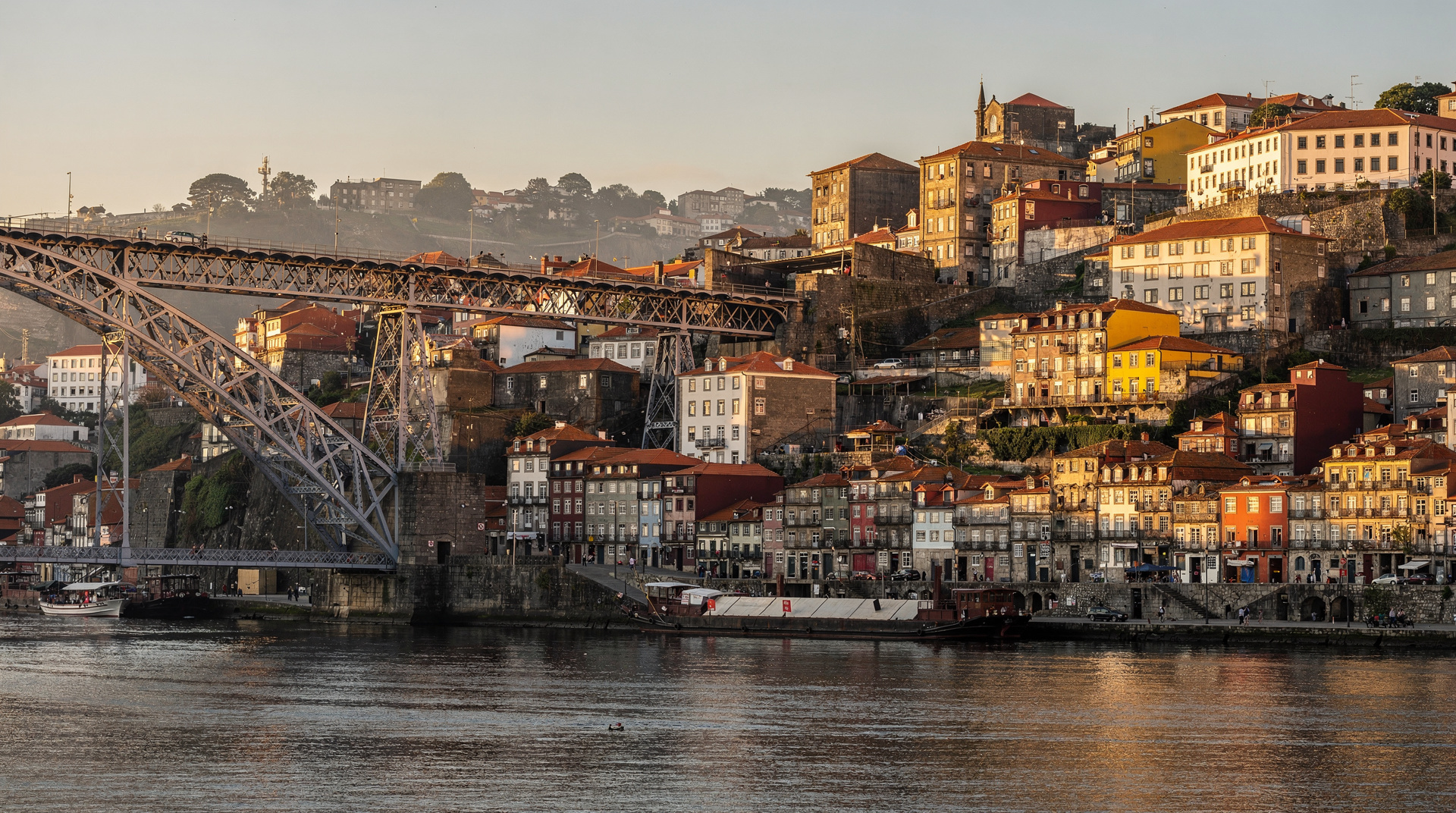
São Bento station and the surrounding historic centre — the azulejo-covered buildings, Ponte Dom Luís I, the Ribeira riverside — are fully accessible and operational year-round. Many visitors find the winter light on Porto’s architecture more interesting photographically than summer: the lower angle, the frequent cloud-drama and the occasional shaft of light through grey skies produces images that look less like every other travel photograph.
Fado houses
Porto’s fado scene operates year-round and is actually more authentic in winter, when fado houses are playing for genuine audiences rather than tourist groups. The fado dining experiences in the historic centre run consistently. Casa da Guitarra and similar intimate venues are easier to book in winter and offer a more genuine performance atmosphere.
The November events worth planning around
Festas de São Martinho (November 11)
São Martinho is one of Portugal’s most pleasant minor celebrations. On November 11, the streets fill with smoke from chestnut braziers — castanhas assadas (roasted chestnuts) sold in paper cones are the essential São Martinho food, warm and sweet-smoky in the November air. The traditional drink is água-pé, a very low-alcohol wine made from the last pressing of the year’s grape harvest.
In Porto, neighbourhood associations organize magusto evenings — informal chestnut-roasting gatherings in backyards and patios, open to neighbours and passers-by. These are not organized events you book but rather street-level celebrations you wander into. The Bonfim neighbourhood is particularly good for this.
Wine bars and wine-focused restaurants also celebrate São Martinho with new wine releases and seasonal menus. If you are in Porto on November 11, resist any impulse to stay in — the streets are lively and the celebration is warmly inclusive.
December: Christmas in Porto
Porto’s Christmas setup is well-executed without being overdone. The illuminations along Avenida dos Aliados are the centrepiece — the wide boulevard with its neoclassical buildings takes on a properly festive character when lit. The tree in Praça da Liberdade is reliably large.
The Christmas market on Praça do Município runs typically from late November through early January. Stalls sell regional products: ceramics, textiles, traditional sweets (bolo-rei, fruit pastries), smoked meats and cheeses from the Minho and Douro regions. The food quality is variable — some stalls are genuinely good, others are tourist-facing — but the setting is pleasant and the atmosphere manageable.
For a more elaborate Christmas market, Braga (45 minutes north by train, €4-5 each way) hosts one of the most praised Christmas events in Portugal. The Braga market is larger, more architecturally dramatic (the city’s baroque churches are spectacular under winter lighting), and a good day excursion from Porto in December.
Christmas Day and December 26: Most tourist attractions are closed or operating reduced hours. The port wine cellars have limited opening on December 25 — confirm before visiting. January 1 is similar. The days around Christmas (December 22-24, December 27-30) are functional and the city is relatively uncrowded compared to summer.
January and February: the quietest months
January is Porto’s secret. The city is at its most local — restaurants filled with Portuenses rather than tourists, tascas where the day’s menu is not translated on the wall, the metro functioning without the tourist crush. If you are comfortable with rain and cold and not dependent on beach activities or vineyard access, January in Porto offers exceptional value.
The practical advantages accumulate:
- Hotels at their annual low prices
- No queuing anywhere
- Restaurants available without bookings in most cases
- Port wine cellars at their most intimate
- The Douro riverbank walkable in peace
- The Museu de Arte Contemporânea de Serralves emptied of its summer crowd
February warms slightly and the days lengthen perceptibly. By mid-February, the city is beginning its spring preparations: café terraces reopening, outdoor tables appearing, the first flowers on the Douro bank. It retains much of January’s uncrowded quality while offering fractionally better weather odds.
What winter rules out
Be honest about what you won’t get in winter Porto.
Douro Valley wine tours are possible but degraded. Many smaller quintas suspend visitor programs from November through February. The landscape (brown vines, bare terraces) lacks the vivid green of spring or gold of autumn. River cruises in the Douro Valley are limited — the Pinhão area has minimal boat services in winter. The Douro Valley day trip is still possible but set expectations accordingly.
Beach days at Foz do Douro or Matosinhos are theoretical in November-January. The Atlantic winter sea is rough and cold; the beaches are deserted. Worth a walk along the sea wall for the dramatic winter Atlantic, but the summer beach-town experience does not exist.
Outdoor activities — kayaking, hiking in Gerês, surfing at Matosinhos — operate but in reduced form and with weather dependence. Pack contingency plans.
Some rooftop and terrace bars close seasonally in Porto’s Baixa and Aliados districts, reopening only when outdoor seating becomes viable again in spring. If a specific rooftop venue is on your list, check its winter operating status directly before building an evening around it — some switch to indoor-only service rather than closing entirely, which isn’t always obvious from a quick search.
Long evenings on terraces. Sunset in December is around 5:15 pm. The city goes dark early. Evening plans need to lean toward indoor experiences — cellars, fado, restaurants — rather than the long golden-hour walks that make Porto in June so memorable.
Winter month by month at a glance
| November | December | January | February | |
|---|---|---|---|---|
| Avg. temp | 10–16°C | 9–14°C | 7–14°C | 9–15°C |
| Rain | Heaviest, extended showers | Frequent, unpredictable bursts | Heavy but concentrated | Decreasing |
| Crowds | Low | Low, spikes at Christmas/NYE | Lowest of the year | Low, rising late month |
| Highlight | São Martinho (11th) | Christmas market, illuminations | Cellar visits at their most intimate | First signs of spring |
What to pack for winter Porto
The single most important item is proper waterproof footwear with grip — Porto’s polished granite and limestone pavements become genuinely slippery in the rain, and this catches out visitors in sneakers every winter, particularly on the steep descent from Clérigos to Ribeira. Beyond that, layer for a temperature range of roughly 7–16°C: a waterproof outer shell, a warm mid-layer, and something you can shed if an afternoon turns unexpectedly mild. An umbrella is less useful than a hood in Porto’s wind-driven rain. If your itinerary includes Serralves or other outdoor garden spaces, budget extra time for weather-dependent detours to indoor galleries.
Combining winter Porto with a nearby city break
Winter is also a practical season for pairing Porto with a northern Portugal day trip that doesn’t depend on summer weather. Guimarães and Braga are both historic, largely indoor-and-covered-street cities that work well regardless of rain, and Braga’s Christmas market specifically is worth timing a December visit around. Coimbra, with its university and covered library, is another all-weather option. All three avoid the Douro Valley’s winter limitations — reduced quinta opening and minimal river cruise service — while still delivering a genuine day away from Porto.
A practical winter Porto itinerary
Day 1: Arrive, check in, walk the historic centre (São Bento station, Ribeira, Clérigos area). Evening: fado house in Bonfim or Cedofeita.
Day 2: Morning — Livraria Lello at opening (9:30 am), when it is at its quietest. Continue to Clérigos Tower. Afternoon — cross to Vila Nova de Gaia for an unhurried Taylor’s or Graham’s cellar visit. No booking panic; walk up from the bridge.
Day 3: Food tour of the Bolhão market area and Bonfim in the morning. Afternoon: Museu de Serralves if the rain holds off, or the Museu Nacional Soares dos Reis in the historic centre.
Day 4: Day trip — Braga in December for the Christmas market, or a limited Douro Valley visit in January if a quinta confirms winter opening.
For a longer template, the Porto 4-day itinerary has structure adaptable to winter, and the budget Porto itinerary is particularly relevant in winter when the savings are greatest.
Book a guided historic centre walk for day 1 or 2 — winter guides have more time for you than their summer counterparts.
Frequently asked questions about Porto in winter
How much rain does Porto get in winter?
November and January are Porto’s wettest months, averaging 150-170mm of rain across 15-18 rainy days per month. Rain tends to come in bursts rather than constant drizzle — mornings are often clear, afternoons can bring showers. A waterproof layer and good walking shoes are essential.
How much cheaper is Porto in winter?
Hotel rates drop 35-50% compared to July-August peaks. Flights from most European cities follow similar logic. January is typically the cheapest month of the year for both accommodation and flights to Porto.
What is the Festas de São Martinho in Porto?
São Martinho (November 11) is a charming minor festival where roasted chestnuts are sold from street stalls throughout the city and the traditional drink is água-pé — a low-alcohol wine from the year’s last pressing. Neighbourhood tascas hold magusto (chestnut roasting) evenings and the atmosphere is warmly local.
Are the port wine cellars open in winter?
Yes — all major cellars in Vila Nova de Gaia operate year-round with slightly reduced hours at some lodges. The practical advantage: no queues, smaller groups, and guides who have time to actually answer questions. January and February offer the most unhurried cellar experience of the year.
What Porto Christmas events are worth attending?
The Christmas market on Praça do Município (mid-December through January 5) is the main official market. The illuminations along Aliados are genuinely impressive. The Braga Christmas market (45 min north by train) is the most elaborate in northern Portugal and easily combined as a day excursion.
What should I skip in Porto in winter?
Douro Valley day trips are possible but several quintas reduce or suspend visitor programs. River cruises in the valley are limited. Outdoor beach activities at Foz and Matosinhos are impractical. The rooftop bar circuit is largely closed or reduced.
Frequently asked questions — Porto in winter — what to expect from November to February
How much rain does Porto get in winter?
November and January are Porto's wettest months, averaging 150-170mm of rain across 15-18 rainy days per month. December is comparable. February begins to dry out slightly. Rain tends to come in bursts rather than drizzle — mornings are often clear, afternoons can bring showers. A waterproof layer and good walking shoes are essential. The silver lining: Porto's granite and azulejo surfaces are dramatically photogenic in wet conditions.How much cheaper is Porto in winter?
Hotel rates drop 35-50% compared to July-August peaks. A hotel that charges €180/night in summer regularly goes for €95-120 in January. Flights follow similar logic. Accommodation near the historic centre and Ribeira can be excellent value in January and February. The overall trip budget for the same quality of experience is meaningfully lower than in peak season.What is the Festas de São Martinho in Porto?
São Martinho (Saint Martin's Day) falls on November 11 and is one of Porto's most charming minor festivals. Roasted chestnuts (castanhas) are sold from street stalls throughout the city, and the traditional drink is água-pé — a low-alcohol wine made from the last pressing of the year's harvest. Neighbourhood tascas hold magusto (chestnut roasting) evenings. It marks the traditional beginning of the new wine season and is worth seeking out if you're in Porto in early November.Are the port wine cellars open in winter?
Yes — all major cellars in Vila Nova de Gaia operate year-round. Taylor's, Graham's, Cálem, Cockburn's and Burmester are open daily through winter, with slightly reduced hours at some lodges (typically closing at 6 pm rather than 7-8 pm). The practical advantage of winter visits is dramatic: no booking required at most lodges, smaller groups, and guides who have time to actually answer questions. January and February offer the most unhurried cellar experience of the year.What Porto Christmas events are worth attending?
The Christmas market on Praça do Município (mid-December through January 5) is the main official market — artisan products, regional food stalls, a modest ice rink, and lighting across the historic centre. The illuminations along Aliados are genuinely impressive. The Braga Christmas market (45 min north by train) is the most elaborate in northern Portugal and easily combined with a Porto trip as a day excursion.What should I skip in Porto in winter?
Douro Valley day trips are possible but several quintas reduce or suspend visitor programs October through March. River cruises in the valley are limited — some six-bridges cruises in Porto continue year-round, but check schedules. Outdoor beach activities at Foz and Matosinhos are impractical. The rooftop bar circuit is largely closed or reduced.
Top experiences
Bookable activities with verified prices and instant confirmation on GetYourGuide.