Is Porto worth visiting? An honest answer
Porto: Porto Guided City Highlights Walking Tour
Is Porto worth visiting?
Yes, for the right reasons. Porto's combination of port wine culture, UNESCO-listed azulejo architecture, Douro Valley access and a serious food scene is genuinely outstanding. It is not the right destination for beach-focused holidays, large-scale clubbing or resort-style relaxation. If you know what Porto is, it consistently exceeds expectations.
Here is the practical snapshot before the full breakdown of what Porto does well and what it doesn’t.
| Best for | Wine culture, azulejo architecture, food, Douro access |
| Not for | Beach holidays, large-scale clubbing, resort luxury |
| Minimum stay | 2–3 days for the essential experience |
| Typical daily budget | 40–55 € mid-range, excluding accommodation |
| Best time | May–June or September |
Why this question deserves an honest answer
Travel recommendation culture has a systematic bias toward enthusiasm. Every destination is described as “unmissable,” every trip as “life-changing.” Porto gets this treatment more than most — the combination of photogenic streets, cheap (by northern European standards) wine, and a good quality of life for residents makes it easy to write about in superlatives.
This guide attempts a different approach. Porto is genuinely excellent, but it is not excellent at everything, and understanding what it does well and what it does not helps you decide whether it is the right choice for your specific trip.
What Porto does exceptionally well
Port wine culture
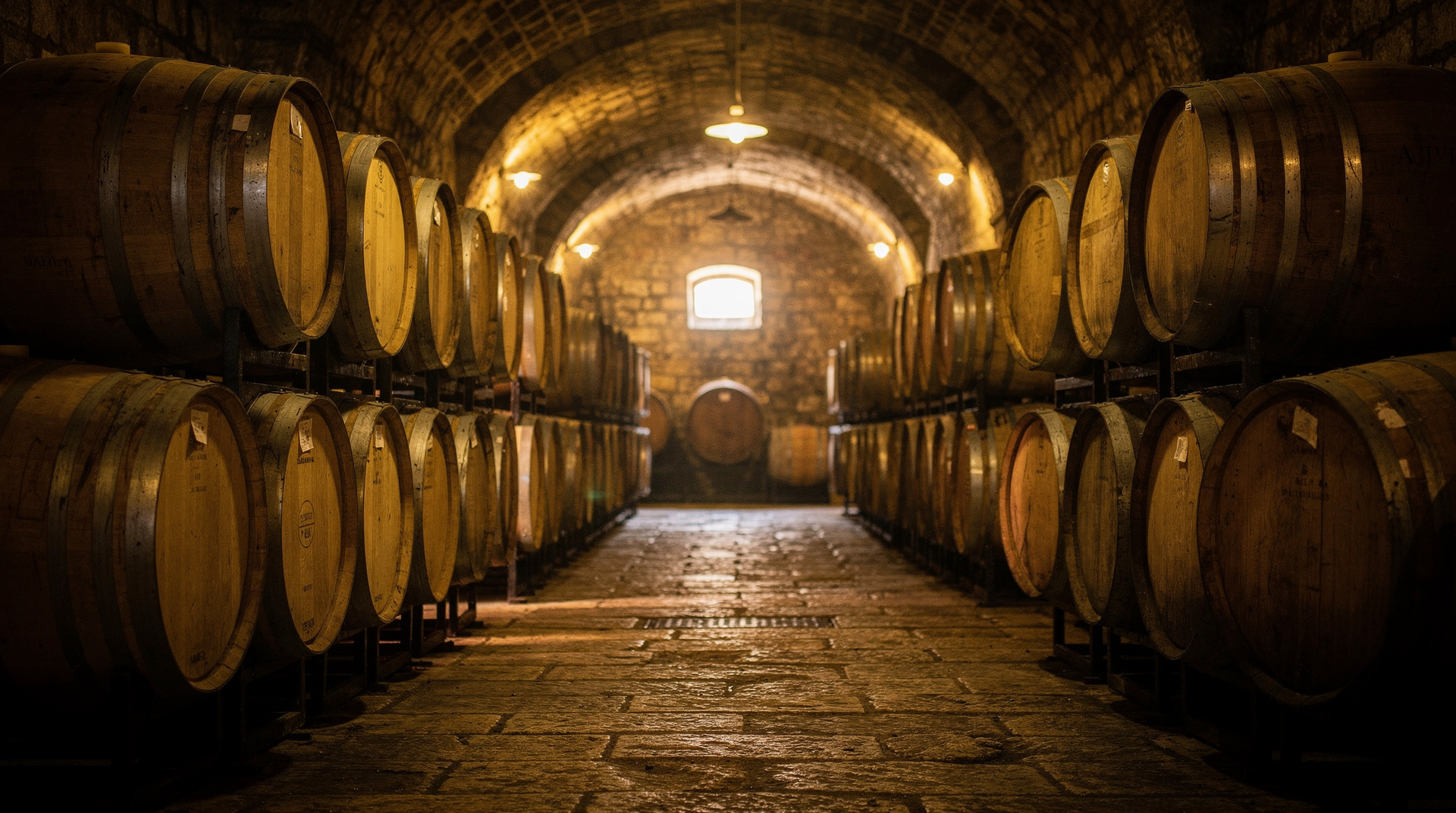
No other city in the world offers what Vila Nova de Gaia offers within a single walkable kilometre: Taylor’s, Graham’s, Cálem, Cockburn’s, Sandeman, Ferreira, Ramos Pinto, Burmester, Niepoort and Quinta do Noval all within walking distance, with guided tours and tastings running from basic 8 to 12 € entry-level options to premium colheita and vintage experiences at 40 to 80 €.
Add the Douro Valley — 120 km east, with UNESCO-listed vineyards, river cruises, and quinta stays — and Porto sits at the centre of one of the most interesting wine regions in Europe. The best port wine cellars guide covers this comprehensively, and the douro valley day trip guide handles the valley separately. For wine-focused travellers, Porto is close to unmatched in Western Europe.
Azulejo architecture and UNESCO heritage
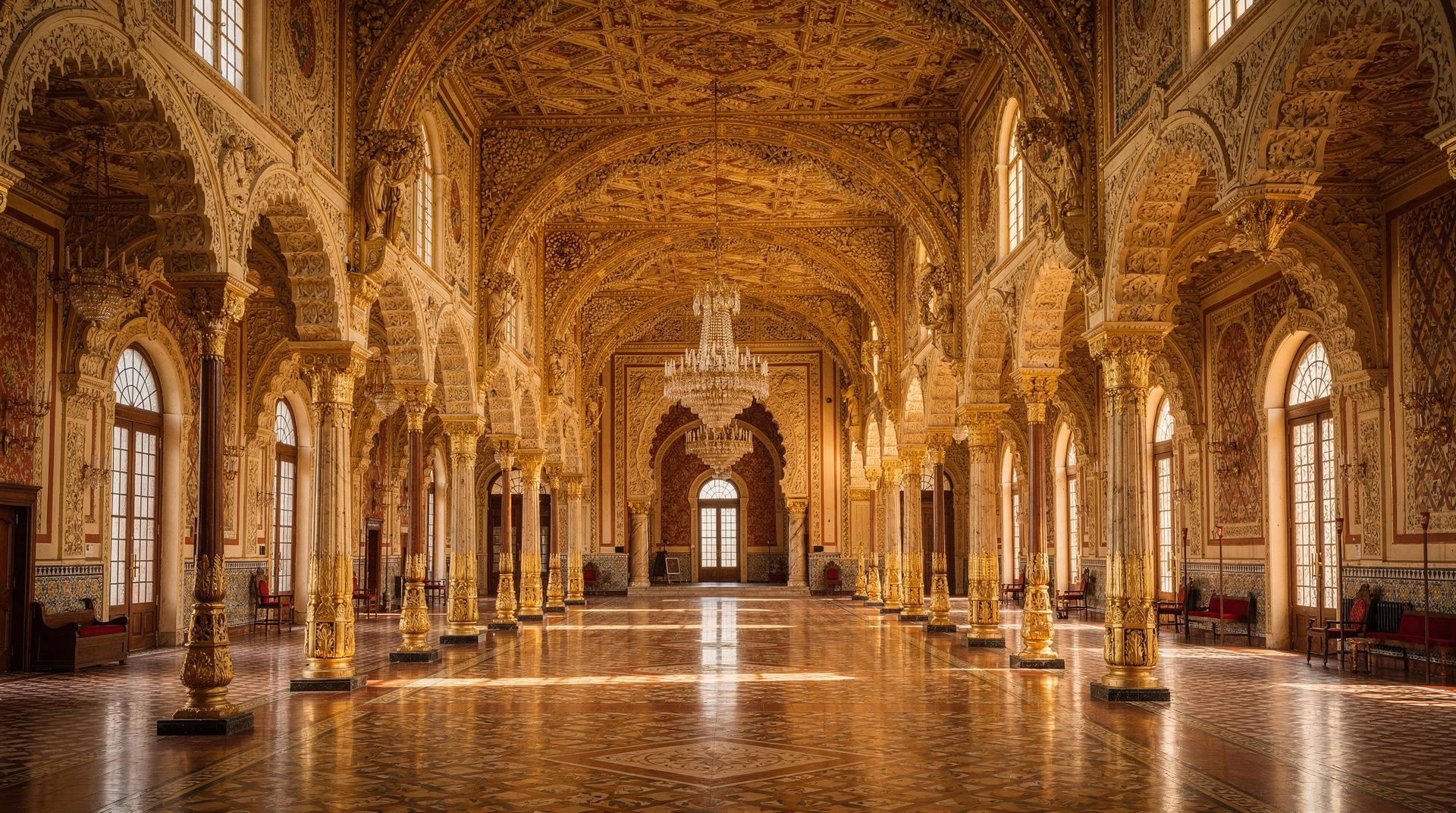
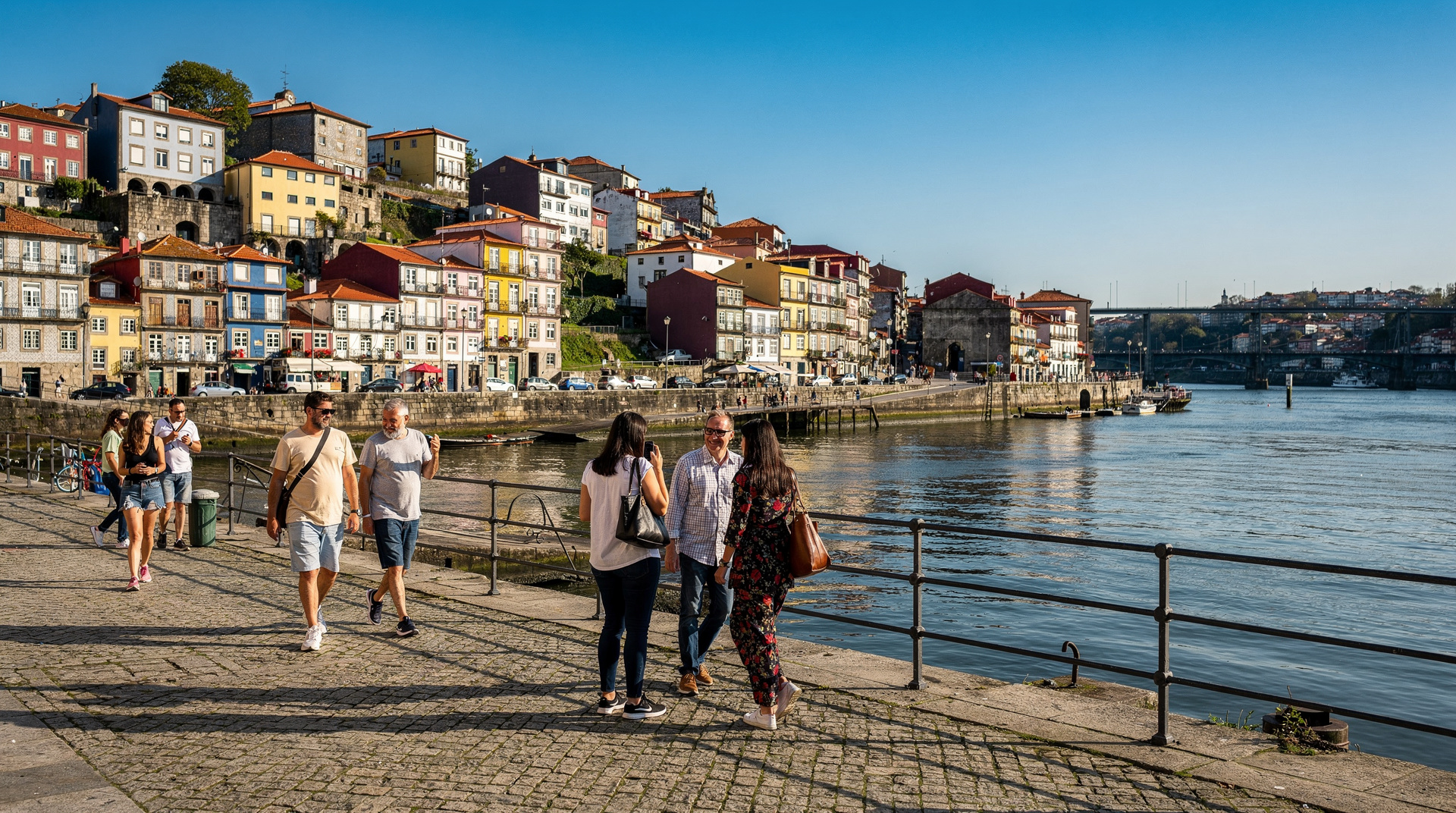
Porto’s historic centre has been a UNESCO World Heritage Site since 1996, and the designation is justified by the concentration of authentic heritage rather than just restoration work. The São Bento station azulejo panels (20,000 tiles depicting Portuguese history, freely viewable by anyone passing through) are one of the most extraordinary interior spaces in Portugal. The façades of Igreja do Carmo, the lanes of Ribeira, and the tile work throughout Bonfim and Cedofeita add up to a visual environment that has no direct equivalent in Western Europe.
The building fabric in Porto also includes neglect, renovation, and the evidence of a city that has had periods of economic difficulty — this is part of what makes it feel real rather than preserved. The tension between beautiful and worn is part of Porto’s aesthetic honesty.
Food — the underrated strength
Porto’s food culture consistently surprises visitors who arrive expecting wine to be the story and discover the food is as interesting. The francesinha — Porto’s iconic multi-meat sandwich in a thick tomato-beer sauce — is unique to the city and deeply divisive (heavy, rich, and enormous) but worth trying once. Bacalhau à Gomes de Sá (salt cod with potato and egg) in a neighbourhood restaurant is one of the best honest lunches in Portuguese cuisine. Matosinhos’ fish market and restaurant row serves some of the freshest grilled fish on the Atlantic coast.
The city’s tasca culture — traditional neighbourhood restaurants with handwritten daily menus, no tourist infrastructure, and full lunches for 10 to 14 € — is accessible and rewarding for anyone willing to step one or two streets off the main tourist routes. The porto foodie weekend itinerary builds a full trip around the food culture.
The Douro Valley as a day trip anchor
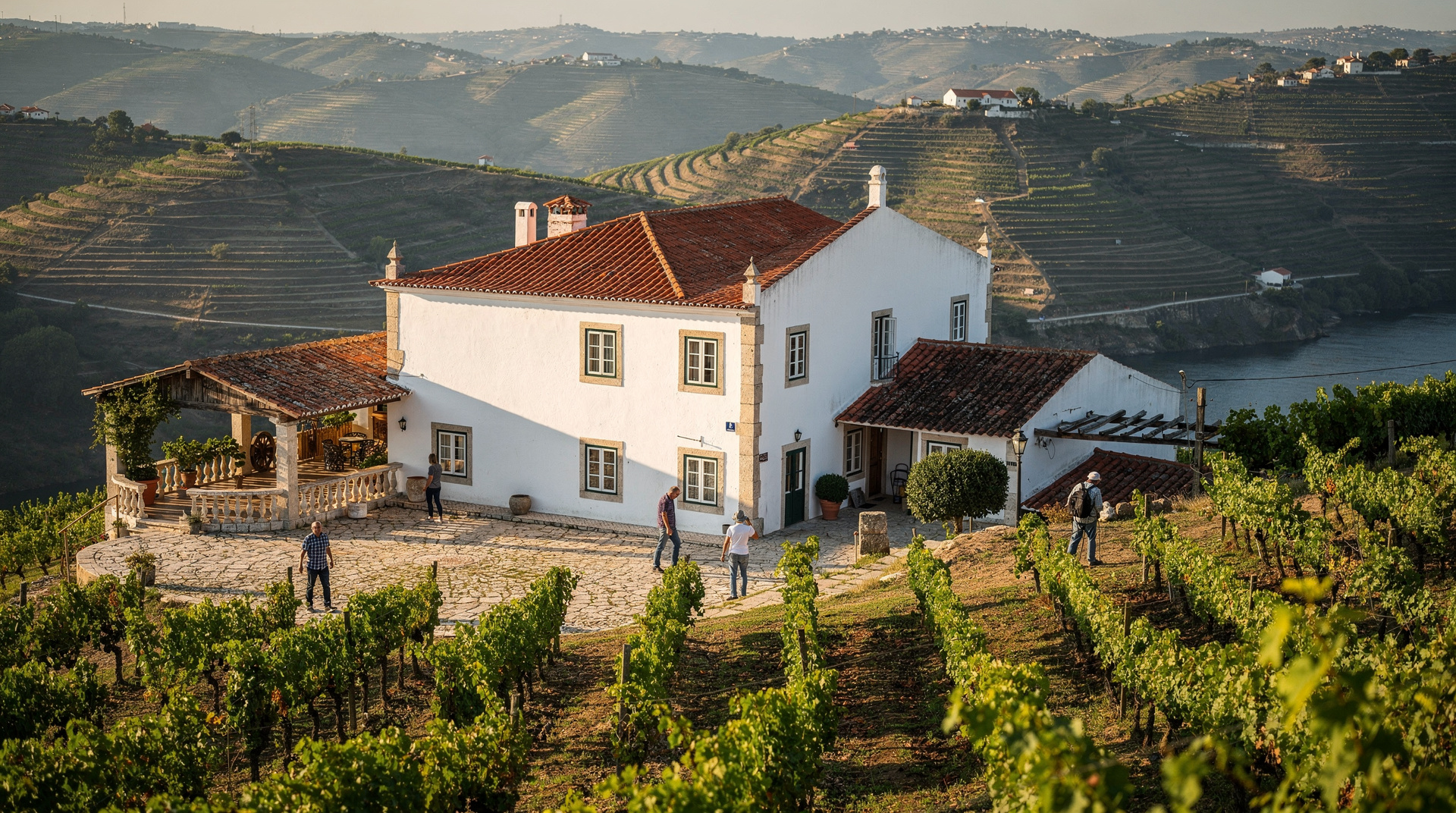
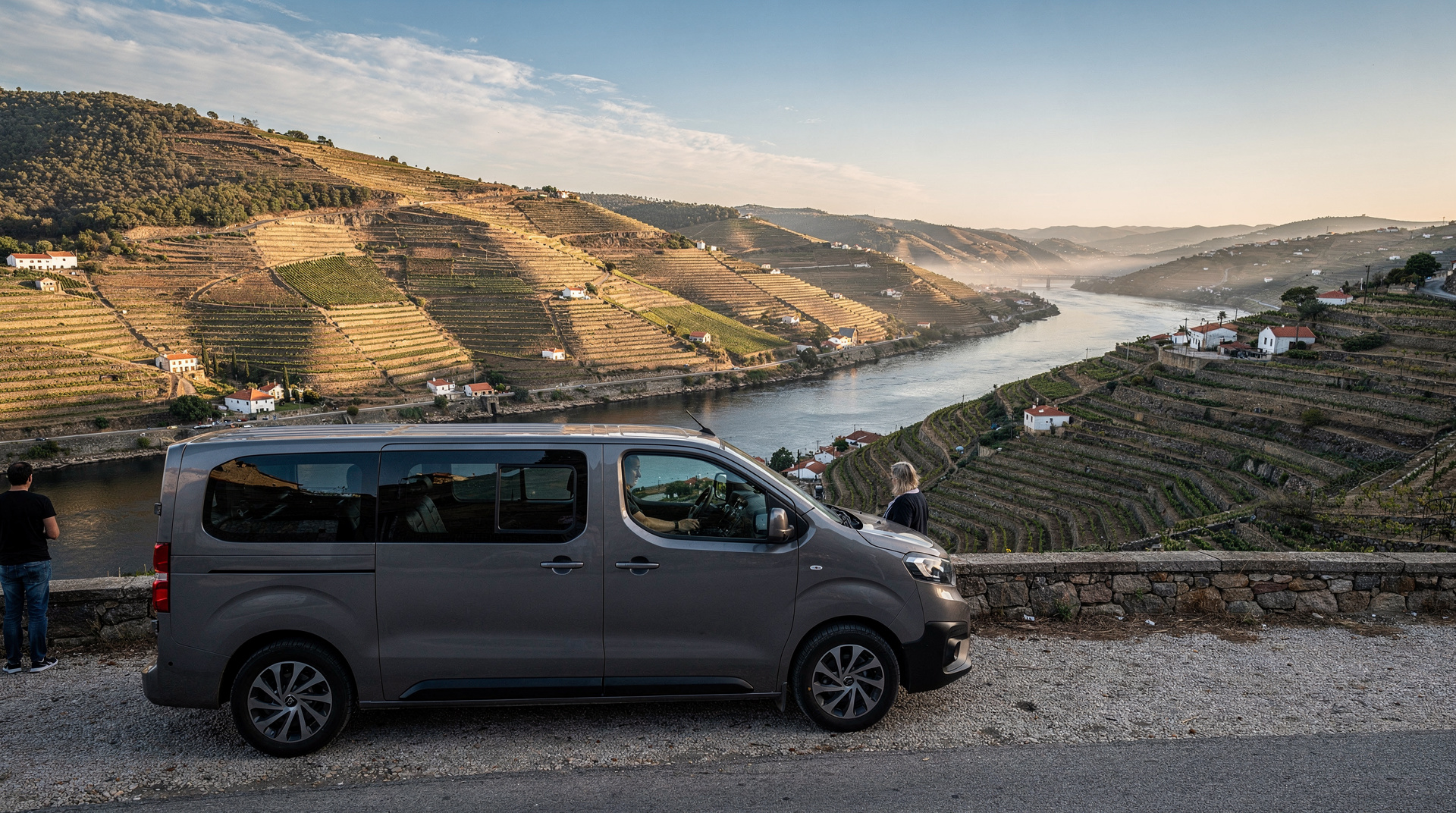
Very few European cities have the equivalent of the Douro Valley as a day trip option. The 120 km drive or 2.5-hour train journey brings you to one of the most dramatic agricultural landscapes in Europe — terraced vineyards covering near-vertical hillsides above a wide, slow river — and the quinta visits, river cruises, and tastings that fill the day are among the best-value immersive experiences in Portuguese tourism.
Book a Douro Valley day trip with two estate visits and a river cruise — the standard format that most visitors use and consistently rate among the highlights of their Porto trip. The Douro Valley day trip guide breaks down every option.
Urban character and affordability (relative)
Porto remains more affordable than Lisbon, Madrid or most comparable Western European cities, though the gap has narrowed since 2019. Mid-range dining in neighbourhood restaurants costs 20 to 30 € per person with wine — significantly less than London, Paris or Amsterdam equivalents. Port wine tastings that would cost 40 to 60 € at equivalent quality in London start at 15 to 25 € in Gaia.
Porto’s urban character — the mix of wealth and wear, the Portuguese-specific street culture, the city’s fierce sense of its own distinctiveness from Lisbon — makes it feel like a city that exists for its own reasons rather than primarily for tourism.
What Porto does not do well
Beaches
Porto is not a beach destination. There are beaches north (Matosinhos) and south (Espinho) reachable by metro in 20 to 30 minutes, and Foz do Douro has coastal swimming pools carved from rock. But these are urban beaches — functional, popular with locals, not particularly beautiful, and with Atlantic water temperatures that rarely exceed 18 to 20°C even in summer. If sun, sand and warm Mediterranean water are your primary goals, Porto is the wrong destination. The Algarve, Madeira, or the Azores address this far better.
Large-scale nightlife and clubbing
Porto has a vibrant and interesting bar scene concentrated in Cedofeita, Bonfim and parts of the Ribeira. The Rua da Galeria de Paris and the streets around it are reliably active until 2 or 3 am. There are clubs, but the scale and international reputation of Porto’s nightlife is modest compared to Lisbon (which has a stronger club culture centred on Bairro Alto and Lapa) or specifically clubbing destinations like Ibiza or Berlin. If nightlife infrastructure is a primary trip driver, Porto is secondary to Lisbon.
Family resort facilities
Porto is a city break rather than a family resort. There are no theme parks within easy reach, no resort beaches, and no concentration of specifically child-focused attractions in the city. That said, Porto with children is doable — the porto with kids itinerary covers the child-friendly options. But families who want resort-style convenience and beach access should plan the Algarve, not Porto.
Luxury resort accommodation
Porto’s luxury hotel market has grown significantly in recent years, and there are excellent five-star properties. But Porto does not have the luxury resort infrastructure of destinations like Funchal (Madeira), Vilamoura (Algarve), or the Alentejo’s wine estates. If Michelin-starred restaurants, spa days and luxury pool days are the core plan, Porto’s hotel market can support it at the top end but not as comprehensively as dedicated resort destinations.
The honest verdict by traveller type
Wine lovers: Porto is exceptional. No comparable European city offers this combination of accessible, high-quality wine culture at multiple price points with a stunning wine region 90 minutes away. Go.
Architecture and history enthusiasts: Porto’s UNESCO centre, azulejos, and the variety of Baroque, Romanesque, Art Nouveau and contemporary architecture across a walkable area is one of the best in Atlantic Europe. The combination of genuine heritage and urban authenticity (as opposed to museum-quality preservation) is specific and rewarding. Go.
Food-focused travellers: Porto’s food culture — traditional Portuguese cuisine at reasonable prices, a strong local restaurant tradition, the francesinha, the seafood from Matosinhos — is underrated and reward-rich. Go.
First-time Portugal visitors: Porto is an excellent starting point for Portugal. It is more compact than Lisbon, arguably more authentic, and positions you perfectly for the Douro Valley and northern Portugal. Go, and consider whether to add Lisbon as a second city on a longer trip.
Budget travellers: Porto is a genuine budget destination if you stay outside the Ribeira tourist zone and eat at tascas. See the porto on a budget guide for the numbers. Go, but not in July or August when prices peak.
Beach seekers: Matosinhos is fine but not what you’re looking for. The Algarve or Costa Vicentina are better choices. Come back to Porto for a city break and go elsewhere for the beach.
Large-scale clubbers: Lisbon, not Porto. Porto’s bar scene is excellent; its club scene is secondary to Lisbon’s.
Luxury resort seekers: Porto has luxury hotels but is not a resort destination. The Douro Valley has beautiful quinta hotels for wine tourism; the Algarve has the most developed luxury resort infrastructure in Portugal.
What surprises first-time visitors most
Two things consistently catch first-timers off guard, in opposite directions. The hills are steeper than photographs suggest — Porto’s historic centre runs from the Douro riverbank up to the Baixa plateau, and getting between them means real climbing on cobblestones, not a gentle slope. Anyone with mobility concerns should read the accessible Porto guide before committing to a walking-heavy itinerary. On the positive side, the food scene surprises people who arrive expecting a wine-and-sightseeing trip and leave talking mostly about the tascas — the best restaurants in Porto guide and the petiscos and tascas guide both reflect how much of Porto’s real character lives in unglamorous neighbourhood dining rooms rather than the postcard sights.
The case for and against a rainy-day visit
Porto’s reputation for rain (October through March, with November the wettest month) puts some travellers off, and it’s worth addressing directly rather than glossing over. The honest case for visiting in the wetter months: cellars, museums and tascas all work fine in rain, accommodation runs 30–40% cheaper, and the city’s granite architecture and covered arcades were built for exactly this weather. The honest case against: outdoor-heavy days (Ribeira wandering, viewpoint-hopping, the Foz coastal walk) lose a lot of their appeal under sustained rain, and a first-time visitor whose whole trip is Porto with no flexibility to shift plans indoors may feel shortchanged. The porto in winter guide covers how to structure a trip around this trade-off.
How Porto compares if you’re choosing between Portuguese cities
If Porto is competing against other options within Portugal rather than against Lisbon specifically, it’s worth noting where it sits: more compact and walkable than Coimbra, with a stronger wine and food identity than most other regional cities, and better positioned as a base for the Douro Valley and northern Portugal than anywhere else in the country. For travellers weighing a Porto-only trip against a Porto-plus-Lisbon combination, the 2 vs 3 days in Porto piece and the porto travel tips guide both help translate “is it worth visiting” into a concrete plan once the answer is yes.
Porto versus Lisbon: the comparison people always ask
This comes up in every Porto planning conversation. The honest answer is that they are different cities serving different needs rather than direct substitutes.
Porto strengths over Lisbon: More concentrated historic area, more authentic street feel, port wine culture with no equivalent in Lisbon, direct access to the Douro Valley, cheaper accommodation, less overcrowded (still), stronger city identity.
Lisbon strengths over Porto: Larger city with broader attractions, closer to Sintra and the Atlantic coast beaches, stronger nightlife, warmer winter temperatures, closer to the Alentejo and Algarve, more international transport connections.
For a first visit to Portugal, the question is whether you want wine country and Atlantic character (Porto) or a larger, warmer, more cosmopolitan capital (Lisbon). Many visitors do both on a 7 to 10 day trip — Porto first, Lisbon second, or combined with the Douro Valley for wine focus.
Book the Porto guided highlights walking tour — the best way to begin a Porto visit and build an accurate picture of what the city actually contains before committing to a longer itinerary.
The how many days in Porto guide helps translate the decision of whether Porto is right for you into specific itinerary lengths, and the porto best time to visit guide covers when to go once you have decided.
Frequently asked questions — Is Porto worth visiting? An honest answer
Is Porto better than Lisbon?
Porto and Lisbon appeal to different travel styles. Porto is smaller, more concentrated, more wine-focused and has a gritty urban authenticity that Lisbon has increasingly traded for tourism infrastructure. Lisbon is larger, warmer, has more nightlife variety and is closer to the Alentejo and the Algarve. If port wine, Douro Valley, and a city that still functions as a working city are priorities — Porto. If beach access, broader cultural attractions and bigger city energy are priorities — Lisbon. Many visitors who do both prefer Porto.What is Porto famous for?
Porto is famous for port wine (the fortified wine aged in Gaia's lodges and made in the Douro Valley), its UNESCO-listed historic centre (azulejos, Baroque churches, Ribeira waterfront), the Ponte Dom Luís I iron bridge, Livraria Lello bookshop, the Douro Valley wine region, Francesinha sandwiches, and São João festival. It has a long history as a maritime and commercial city that shaped its architecture, food culture and independent character.What are the main downsides of Porto?
Porto's hills and cobblestones are the most commented-on physical limitation — the city is not easy for visitors with mobility limitations. The tourist markup in Ribeira is significant. Accommodation costs have risen sharply since 2019. The weather from October through March includes frequent rain. And Porto is not the right destination for anyone primarily seeking beach time, luxury resort facilities, or the kind of large-scale nightclub scene found in Ibiza or even Lisbon.How does Porto compare to other European city breaks?
Porto competes well on character, food quality, wine culture and value (outside peak summer). It is more interesting than most mid-size European cities of equivalent size and more authentic-feeling than heavily touristed cities like Dubrovnik, Prague or parts of Amsterdam. It is less grand in scale than Madrid or Paris, but the concentration of experiences per square kilometre of the historic centre is high, and the Douro Valley day trip adds something no other Western European city can match.Is Porto touristy?
Porto has become significantly more touristy since around 2017 and the growth has been concentrated in specific areas — Ribeira, the Gaia waterfront, around Livraria Lello and Clérigos Tower. Walk one street off these routes and the tourist density drops dramatically. The city has managed tourism better than most comparable destinations — the Bonfim, Cedofeita and Campanhã neighbourhoods remain genuinely local, and the overall character of Porto has not been entirely remade for visitors.Is Porto worth it for just a weekend?
A weekend (two nights, three days) is enough to experience the essential Porto and come away feeling the trip was worthwhile. You will see São Bento, Ribeira, Ponte Dom Luís I, one port cellar in Gaia, and have two or three memorable meals. You will not see the Douro Valley or the outer neighbourhoods. That is a fair weekend break — real and satisfying without being comprehensive.
Top experiences
Bookable activities with verified prices and instant confirmation on GetYourGuide.