Porto vs Lisbon — an honest comparison for first-time visitors
Porto: Classic Walking Tour
Should I visit Porto or Lisbon for a first trip to Portugal?
Both are excellent. Porto is more compact, more authentically working-class, and owns port wine. Lisbon is a capital city with more museums, more international flight options, and a greater variety of neighbourhoods. If you have 3-4 days, Porto is the richer short-trip experience. If you have a week or more, do both — they are different cities, not substitutes.
The comparison that matters
Porto and Lisbon are both Portuguese, both on rivers, both full of azulejos, and both genuinely worth your time. The question of which to visit first (or whether to visit both) is not a quality question — it is a preference question, and answering it honestly requires going beyond the obvious selling points.
This guide is not trying to sell you on either city. It is comparing them in the dimensions that actually influence a visit: size, atmosphere, food, wine culture, price, neighbourhood character, and what kind of traveller does better where.
| Porto | Lisbon | |
|---|---|---|
| Size | Compact, ~2 km walkable core | Larger, spread across hills and districts |
| Price | 15–30% cheaper on average | Higher across hotels, food, transport |
| Signature product | Port wine | Broader restaurant and museum scene |
| Best for | 3–4 day depth trips | First-timers wanting maximum variety |
| Nightlife | Good, smaller scale | Larger, more internationally known |
Size and navigability
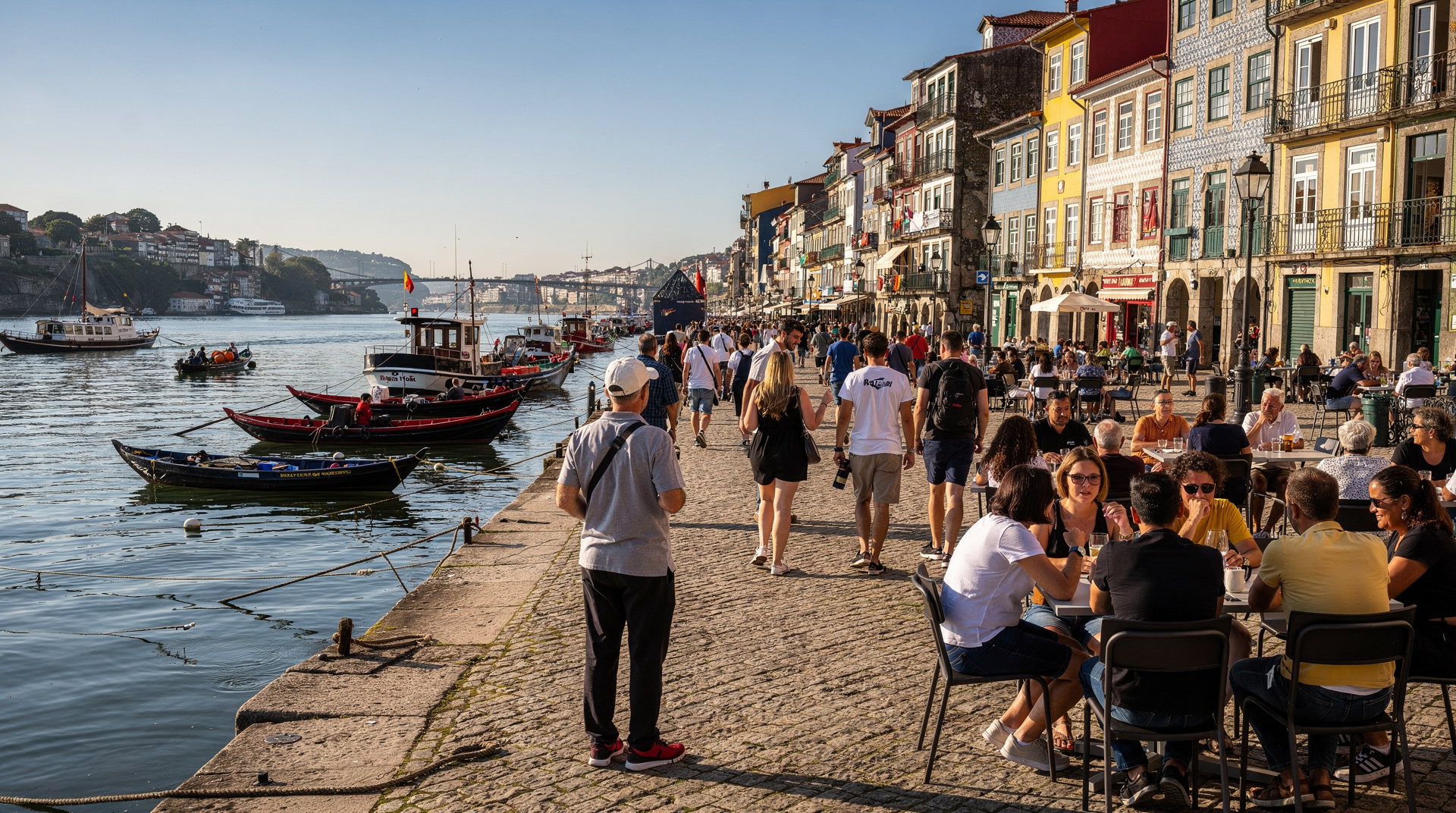
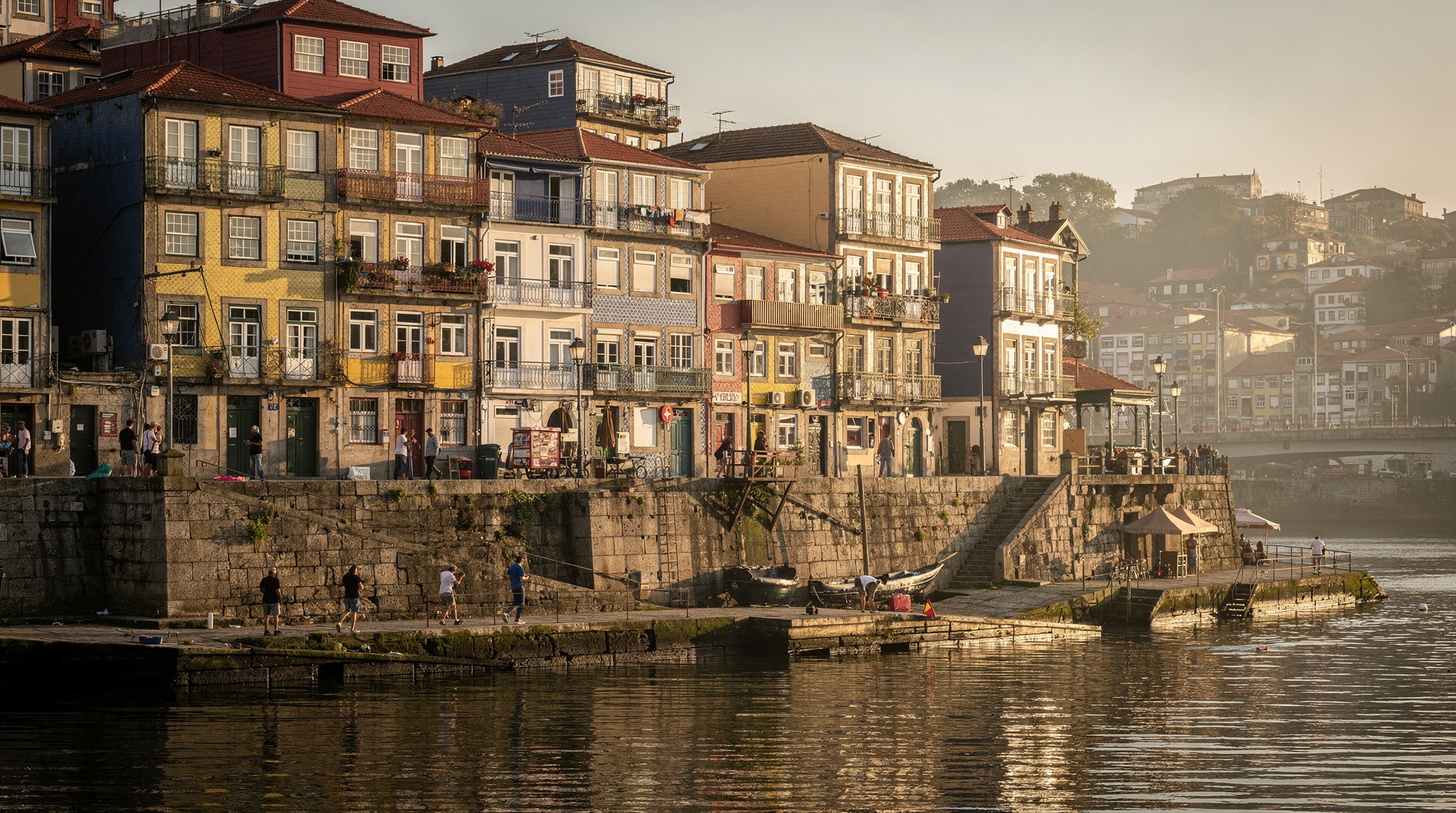
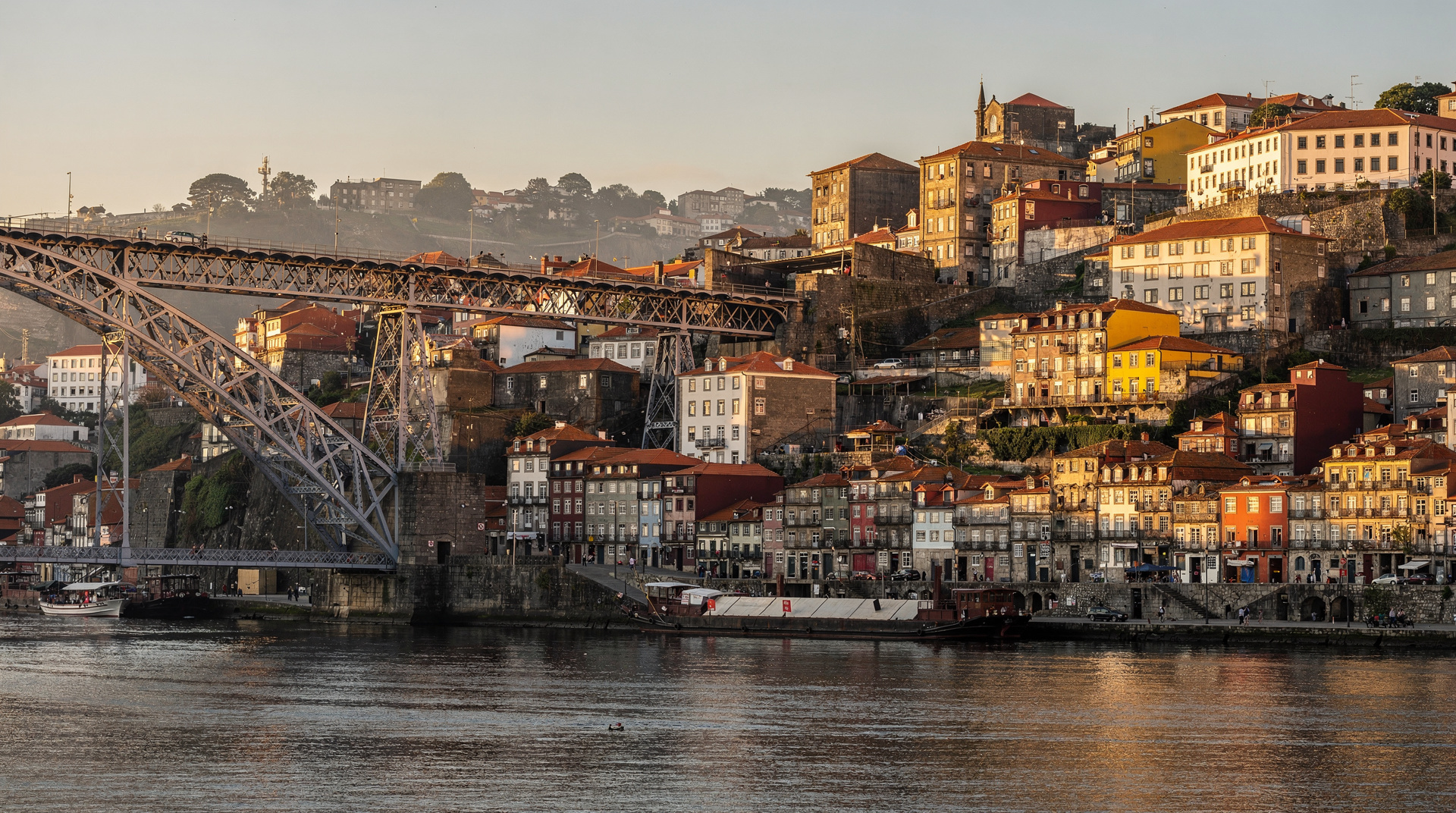
Porto’s historic centre is compact in a way Lisbon’s is not. The core that most visitors care about — Ribeira, Clérigos, Aliados, Vila Nova de Gaia, São Bento — is contained within a walkable radius of about 2 km. You can see the main sights in a long day on foot, connect them logically on a morning walk, and still have time for a long lunch.
Lisbon is a capital city in the European sense: four or five historic districts that each have their own character and are spread across hills and valleys requiring tram, metro or taxi to move efficiently between them. Alfama (fado, narrow streets, castle above), Chiado (chic shopping, café culture), Belém (museums, the river monuments), Mouraria (immigrant community, multicultural food) — each is interesting, each requires its own allocation of time, and managing all of them in a short trip means surface coverage rather than depth.
The practical implication: a 3-day trip to Porto gives you more depth per neighbourhood than a 3-day trip to Lisbon. A 7-day trip to Portugal that includes both cities in proportion is the better answer for visitors who want range. See the northern Portugal 7-day itinerary for a template that allocates time to both.
This compactness also shapes how many days each city actually needs. Two to three days covers Porto’s essentials comfortably, including one day trip; Lisbon typically wants four or more to feel unrushed once Sintra and Belém are factored in. The how many days in Porto guide has the fuller breakdown of what different trip lengths actually let you see.
Atmosphere and character
Porto is, at its core, an industrial and commercial port city that became a tourist destination. Its character — robust, sardonic, unpretentious, proud — emerged from centuries of trade, fishing, wine shipping and a particular northern temperament that is colder and more guarded than Lisbon’s Atlantic-facing warmth.
This translates into a city where the tourist surface exists but never entirely overwhelms the working city beneath. In Bonfim and Cedofeita, the neighbourhood tascas serve lunch to locals at noon whether tourists exist or not. The Bolhão market is a functioning market, not a performance. The people on the metro are going to work. The underrated Porto neighbourhoods piece goes further into this working-city character if it’s the deciding factor for you.
Lisbon, as a capital city with higher international visibility, has more thoroughly adapted to tourism. The most famous districts (Alfama, Chiado, Bairro Alto) are beautiful and commercially oriented to the visitor economy. There are fewer rough edges — and the rough edges, in Porto, are part of what makes it interesting.
Neither description is a judgment. Travellers who want a smooth, internationally legible tourist experience do well in Lisbon. Travellers who find that more authentic character more rewarding tend to prefer Porto.
Food: the core differences
Porto’s culinary identity
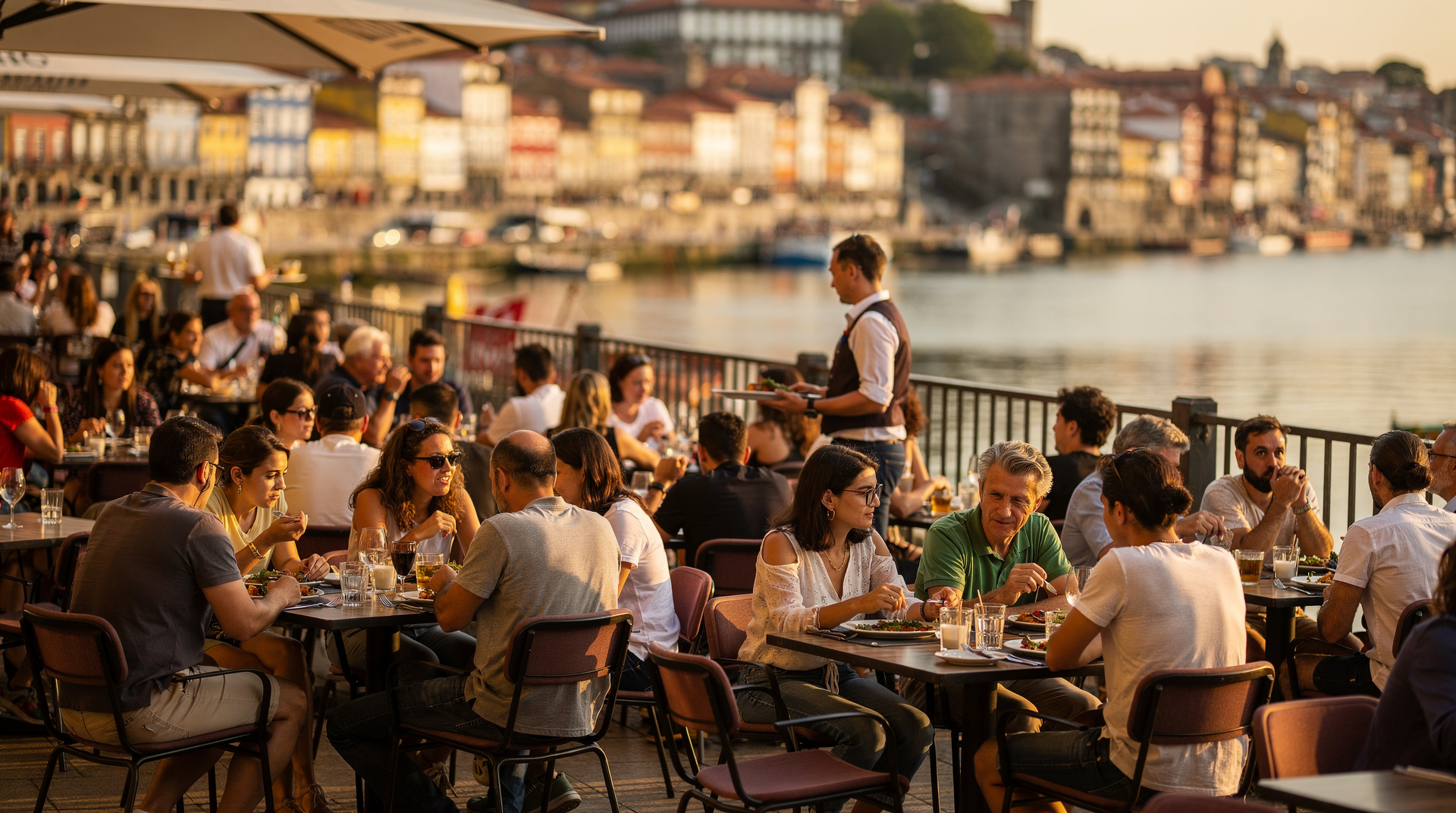
Porto’s food is built on a few things done extremely well: grilled fish (the seafood from Matosinhos is exceptional), port wine and Douro wines, the Francesinha, and a tradition of honest working-class cooking (tripas à moda do Porto, caldo verde, bacalhau in its many preparations).
The Francesinha deserves particular attention. It is a Porto-specific creation — layers of bread, cured meat, linguiça sausage, steak, a fried egg, all covered in melted cheese and a sauce made from beer, tomato and various spices. It is emphatically not subtle. It is one of the great regional dishes in Portuguese cooking, and it is essentially impossible to find well-made outside Porto.
The Porto food tour covering the Bolhão market, Bonfim and the historic tascas is one of the most efficient ways to cover Porto’s culinary range in a structured 3-4 hours. For a full budget breakdown of what eating well in Porto actually costs at different price points, the Porto on a budget guide goes further than this comparison can.
Lisbon’s food scene
Lisbon has a more cosmopolitan restaurant landscape — more Michelin stars, more international cuisines, more experimental Portuguese cooking that draws on the country’s former colonial links (Mozambique, Goa, Brazil). The Timeout Market (a food hall in Cais do Sodré) is a good introduction to contemporary Lisbon food culture, though the format has become much copied.
For traditional Portuguese food, both cities deliver, but the specific styles differ. Lisbon’s bacalhau preparations, the petisco culture (Portuguese tapas), and the river fish traditions of the Tejo have their own character.
The honest summary: Porto wins on singular identity; Lisbon wins on variety. If you want to explore one Portuguese food culture in depth, Porto is the better answer.
Port wine and wine culture
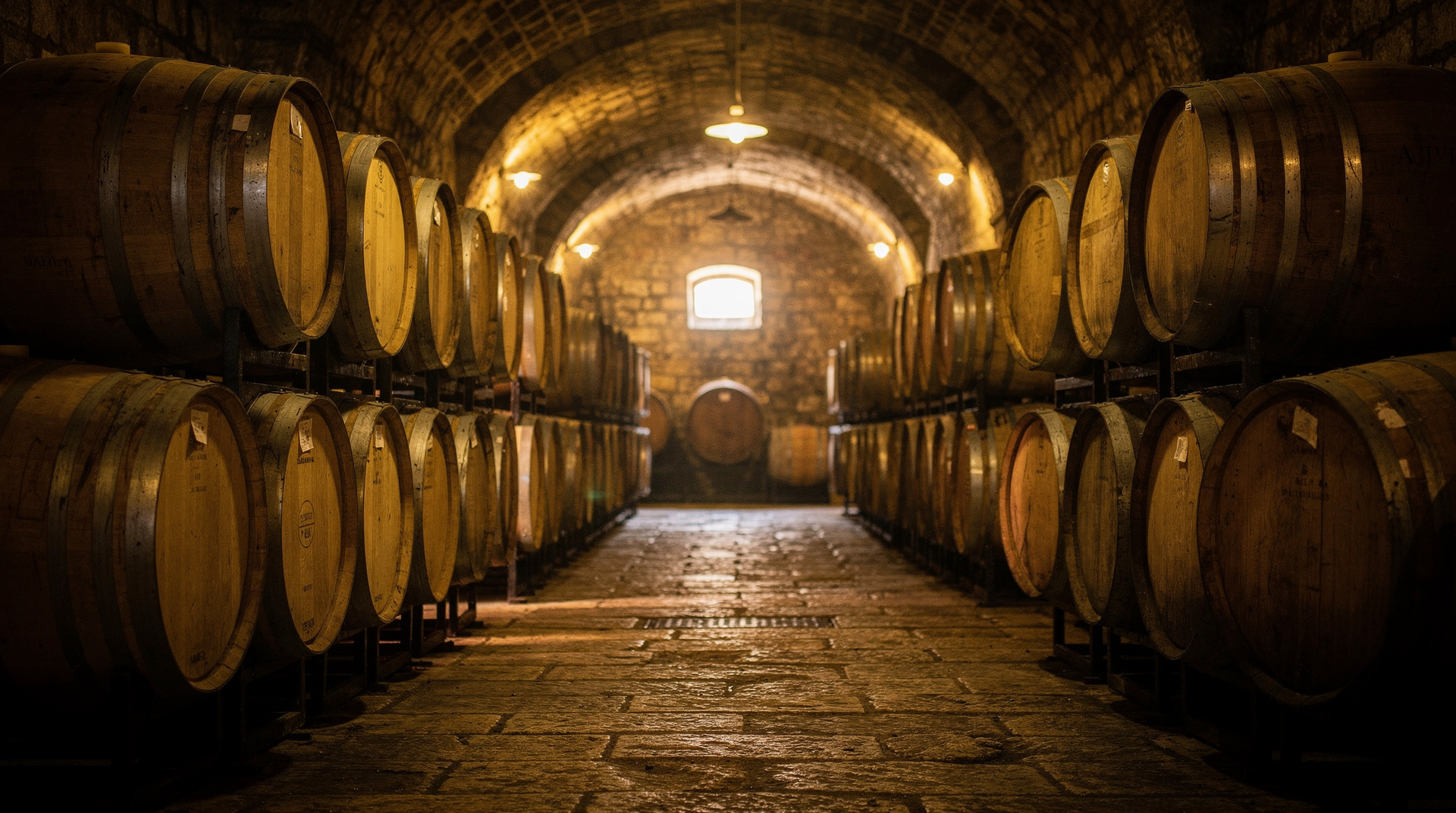
Port wine is Porto’s domain in a way that is not replicated in Lisbon. The port wine lodges in Vila Nova de Gaia — Taylor’s, Graham’s, Cálem, Cockburn’s and the rest — are physically present in Porto and represent a wine culture that has been growing and maturing in these cellars for 300 years. See the best port wine cellars guide.
Lisbon has wine bars and a wine scene that is genuinely good and growing — the Alentejo and Setúbal wine regions are close and their wines are well-represented in the capital’s restaurants and wine shops. But port wine is not Lisbon’s story. Going to Lisbon to explore port wine would be like going to Lyon to explore Bordeaux: adjacent and interested, but not the source.
For wine-focused travellers, Porto is the correct choice as a base.
Day trips: Porto’s Douro vs Lisbon’s Sintra
The single biggest day-trip decision each city offers is genuinely different in character. From Porto, the Douro Valley day trip takes you into UNESCO-listed vineyard terraces — river cruise, wine tastings, a landscape unlike anything near Lisbon. From Lisbon, Sintra offers palaces and forested hills, a completely different kind of day out. Neither is objectively better; they simply answer different interests. If wine and landscape matter more than architecture, Porto’s day-trip network — Douro Valley, Guimarães, Braga, Aveiro — is the stronger draw.
Getting between the two cities
If you decide against choosing and want both, the practical route is a direct high-speed train, not a flight — see the Porto-Lisbon journey section below for timing and cost. Many visitors structure this as fly into Porto, train to Lisbon, fly home from Lisbon (or the reverse), rather than backtracking. The Porto and Douro 5-day itinerary is a good template if Porto is getting the larger share of your time, with Lisbon added as a shorter coda.
Price comparison (2026)
| Category | Porto | Lisbon |
|---|---|---|
| Hotel 3-star (peak season) | €90-140 | €120-180 |
| Hotel 4-star (peak season) | €130-200 | €170-260 |
| Casual lunch (local tasca) | €8-12 | €10-15 |
| Dinner (mid-range restaurant) | €18-30 | €22-38 |
| Airport transfer (metro) | €2.50 | €1.80 |
| Day trip to wine region | €65-120 | €65-120 |
Porto is consistently cheaper. The margin is meaningful for a 4-5 day trip but not dramatic enough to be the deciding factor if the other variables point to Lisbon, though it adds up noticeably over a longer stay or a larger group.
Weather comparison
Porto’s position on the Atlantic means more rain than Lisbon across all seasons. November (Porto’s wettest month: 170mm average) is significantly wetter than Lisbon’s November (100mm). Summer temperatures are also more moderate: Porto averages 24-26°C in August; Lisbon regularly hits 30-34°C. Porto’s climate is Atlantic; Lisbon’s leans Mediterranean.
For summer visits, Porto’s cooler temperatures are an advantage — the city is pleasant to walk at 25°C where Lisbon at 33°C becomes an endurance exercise by midday. For visitors who want reliable sun, Lisbon wins on probability.
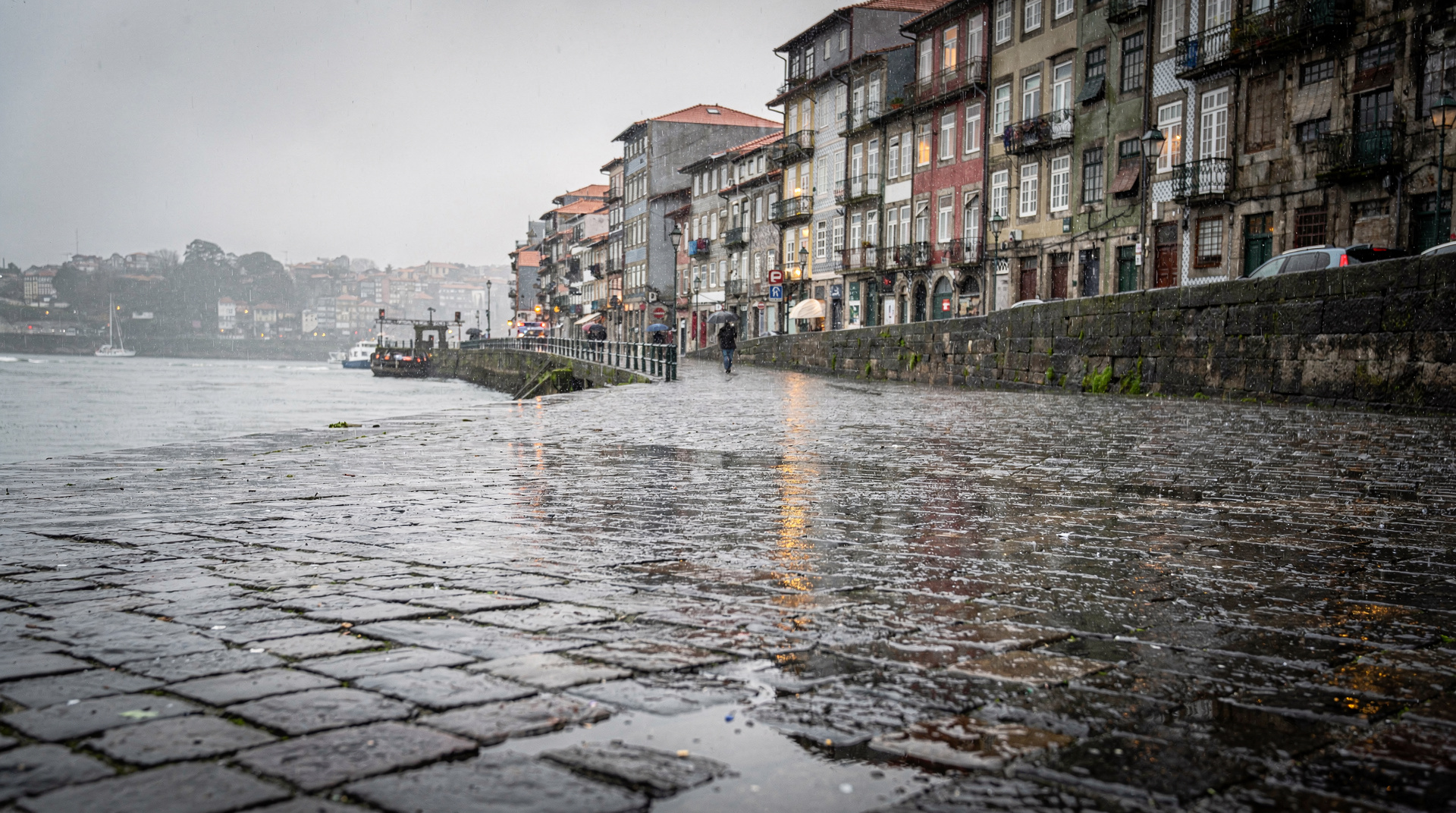
Porto’s rainier climate also affects packing and pacing more than most first-time visitors expect — a light rain jacket and grippy shoes matter more in Porto than they do in Lisbon, especially outside the June–September window. See the Porto travel tips guide for the practical detail on hills, cobblestones and what the weather actually does to a day of sightseeing.
Who should go where
Choose Porto if:
- Wine (specifically port wine) is a primary interest
- You want a compact, walkable city with real neighbourhood character
- Budget is a meaningful factor
- You have 3-4 days and prefer depth to range
- Cooler summer temperatures are a plus
- You want the São João festival experience (June 23-24)
- The Douro Valley is on your itinerary
Choose Lisbon if:
- You’re on a first trip to Portugal and want maximum variety
- International connectivity matters (more direct flights from more cities)
- Nightlife is a significant priority
- You want more museum and cultural institution options
- You’re comfortable in a larger, more spread-out city
- Sun reliability in summer is important
Do both if:
- You have 7+ days in Portugal
- This is a return trip to Portugal
- You want a complete picture of the country’s two great cities
The northern Portugal 7-day itinerary structures a Porto-anchored trip that includes Braga, Guimarães and the Douro without requiring Lisbon. The Porto-specific 4-day itinerary is the right template if Porto is your sole destination.
The Porto-Lisbon journey
If you decide to do both, the logistics are easier than they might appear. The CP Alfa Pendular train connects Porto São Bento to Lisbon Oriente in approximately 2h45min, with departures throughout the day. Tickets from €25-45 depending on how far in advance you book. This makes Porto-Lisbon as a two-destination trip straightforward: fly into one, train to the other, fly home from the other. The train journey through the Douro Litoral and past the River Tagus estuary is in itself worth doing. Book Alfa Pendular tickets a few days ahead for the cheapest fares — prices rise as departure gets closer, similar to airline pricing, and weekend afternoon trains sell out in peak season.
Book a Porto highlights walking tour to orient yourself on arrival and understand the city’s layout before deciding how to allocate your time.
Frequently asked questions about Porto vs Lisbon
Is Porto cheaper than Lisbon?
Yes, meaningfully so. Hotels in Porto run 20-30% cheaper than equivalent Lisbon options in the same season. Restaurants are consistently 15-25% less expensive for similar quality. Porto is not cheap by southern European standards, but it is noticeably cheaper than Lisbon.
Which city is better for food tourism?
Both cities have excellent food scenes. Porto’s culinary identity is more singular — the Francesinha, Matosinhos seafood, and working-class food culture. Lisbon has more variety and more Michelin-starred restaurants. For traditional Portuguese food, Porto edges ahead.
Is fado authentic in Porto?
Porto has its own fado tradition (fado de Porto) — historically distinct and associated with working-class Ribeira culture. Porto’s fado scene is smaller and less tourist-facing than Lisbon’s, which can make it feel more genuine. Lisbon’s Alfama remains the heartland of mainstream fado.
Which city has better day trips?
Both cities are excellent bases. Porto’s Douro Valley, Braga, Guimarães, Gerês and Aveiro are all within 1-2 hours. Lisbon has Sintra, Setúbal, Évora and the Alentejo. Porto’s options are more naturally clustered for visitors without a car.
Is Porto easier to navigate than Lisbon?
Yes. Porto’s historic centre is compact and most major sights are within a 20-30 minute walk of each other. Lisbon is larger and more spread out, with historic districts requiring metro or tram connections. For a short trip, Porto’s compactness is a practical advantage.
Which city has better nightlife?
Lisbon, without significant debate. The Bairro Alto and Cais do Sodré areas operate at a scale and duration Porto doesn’t match. Porto’s nightlife is good but operates differently. For a party-focused trip, Lisbon is the better choice.
Frequently asked questions — Porto vs Lisbon — an honest comparison for first-time visitors
Is Porto cheaper than Lisbon?
Yes, meaningfully so. Hotels in Porto run 20-30% cheaper than equivalent Lisbon options in the same season. Restaurants are consistently 15-25% less expensive for similar quality. A casual lunch (prato do dia) in a local tasca in Porto costs €8-11 compared to €10-14 in central Lisbon. Transport within the city is similarly priced. Porto is not cheap by southern European standards, but it is cheaper than Lisbon.Which city is better for food tourism?
Both cities have excellent food scenes, but Porto's culinary identity is more singular. The Francesinha (a layered meat-and-egg sandwich in beer-and-tomato sauce), fresh seafood from Matosinhos, the Mercado do Bolhão and the city's working-class food culture give Porto a distinctive character. Lisbon has more restaurant variety — more international options, more Michelin-starred restaurants, more experimental cooking. For traditional Portuguese food, Porto edges ahead.Is fado authentic in Porto?
Porto has its own fado tradition, though it is less well-known than Lisbon's. Porto fado (fado de Porto) is historically distinct — a rougher, more working-class style associated with the Ribeira and riverside dockworker culture. Today, Porto's fado scene is smaller and less tourist-facing than Lisbon's, which can make it feel more genuine. Casa da Guitarra in the Ribeira is the most reputable intimate fado venue. Lisbon's Alfama is the heartland of mainstream fado performance.Which city has better day trips?
Porto's day trip network is exceptional: the Douro Valley for wine, Braga and Guimarães for history, Gerês for nature, Aveiro for canals, and the Atlantic coast. Lisbon has Sintra (palaces and UNESCO), Setúbal (the best beaches in the region), Évora (Roman history), and the Alentejo. Both cities are well-placed for day trips. Porto's options are more naturally clustered and slightly easier to manage without a car.Is Porto easier to navigate than Lisbon?
Yes. Porto's historic centre is compact — most major sights are within a 20-30 minute walk of each other, and the city's hills, while real, are navigable. Lisbon is larger and more spread out; the historic districts (Alfama, Chiado, Mouraria, Belém) require metro or tram connections between them. For a visitor without a car and limited time, Porto's compactness is a practical advantage.Which city has better nightlife?
Lisbon, without significant debate. The Bairro Alto and Cais do Sodré areas have a nightlife infrastructure and density that Porto doesn't match. Porto's nightlife is good — the pink street (Rua Galeria de Paris), the Ribeira late-night bars, the student culture of Baixa — but it operates at a different scale. For a party-focused trip, Lisbon is the better choice.
Top experiences
Bookable activities with verified prices and instant confirmation on GetYourGuide.