Porto and the Douro in 3 days — city and valley combined
Porto: Douro Wine Day Tour from Porto Visit of 2 Wine Estates
How to use this Porto and Douro three-day itinerary
This itinerary divides three days between Porto city (two days) and a full Douro Valley excursion (one day). It’s for travellers who want to understand both Porto and its wine-producing hinterland — the port lodges in Gaia are where the wine is stored and sold, but the Douro is where it’s grown, and seeing both sides of the story in one trip makes each more intelligible.
The Douro day (Day 3) works either as a guided tour or as a train-and-taxi combination. The pros and cons of each are covered below. No car is needed for Days 1 and 2; Day 3 by train requires a ticket booked in advance.
Budget estimate: €200–300 per person including a guided Douro tour (€65–95) or the train alternative (€30 including a quinta visit taxi).
| Where | Porto historic centre, Vila Nova de Gaia, Douro Valley (Peso da Régua / Pinhão) |
| Cost | around €200–300 per person over three days |
| Time needed | three full days, one dedicated to the Douro |
| Getting there | on foot and by metro in Porto; guided tour or train for the Douro day |
| Best time | May–June or September–October, avoiding July–August heat |
For getting around the city itself before Day 3, see our getting around Porto guide — the metro and walking cover Days 1 and 2 completely.
Day 1: Porto historic centre and Vila Nova de Gaia
Morning (9:00–12:30)
9:00 — São Bento station
Begin at São Bento before 9:30. The azulejo tile panels covering the main hall depict Portuguese history and make the whole trip begin with a scene from the country you’re about to explore. Free. 20 minutes.
9:25 — Sé do Porto
Walk uphill five minutes to the Sé. The Gothic cloister (€3) has 14th-century arches lined with 18th-century tiles — a layered history in a single room. Allow 35 minutes.
10:05 — Palácio da Bolsa
Walk downhill to the Stock Exchange Palace for the guided tour (€14, 45 minutes). The Sala Árabe is the centrepiece — a Moorish-revival room built for receiving diplomatic guests, with floor-to-ceiling stucco and gold lettering from the Quran. See our Palácio da Bolsa guide.
11:00 — Clérigos Tower
Walk uphill 12 minutes to the Torre dos Clérigos. Climb the 225 steps for the best orientation view of Porto before you cross the river. Book the Clérigos Tower ticket in advance to skip the morning queue. Allow 45 minutes.
Lunch (12:00–13:30)
Walk downhill 10 minutes from Clérigos to the Cedofeita neighbourhood. Taberna Caravela (Rua da Conceição) or Adega do Bairro (Rua do Almada) for petiscos at €10–15. Porto’s best casual lunch is one or two streets off the main tourist circuit — ask at your hotel.
Afternoon (13:30–18:00)
13:30 — Vila Nova de Gaia: two port lodges
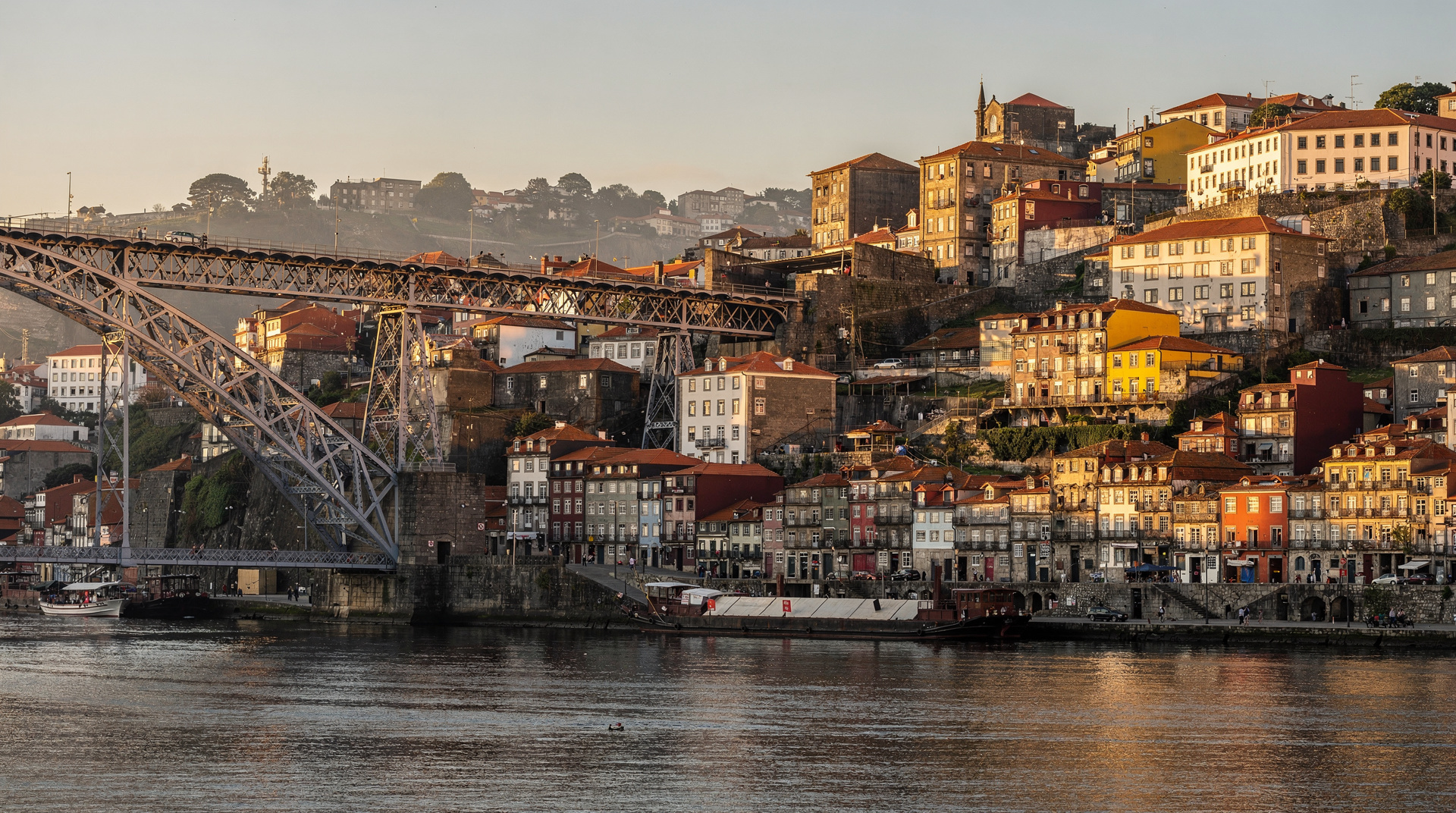
Cross Ponte Dom Luís I (upper deck) to Gaia. On this itinerary the Gaia afternoon is the preparation for Day 3 — understanding port wine before you see the Douro quintas where it’s made gives Day 3 real depth.
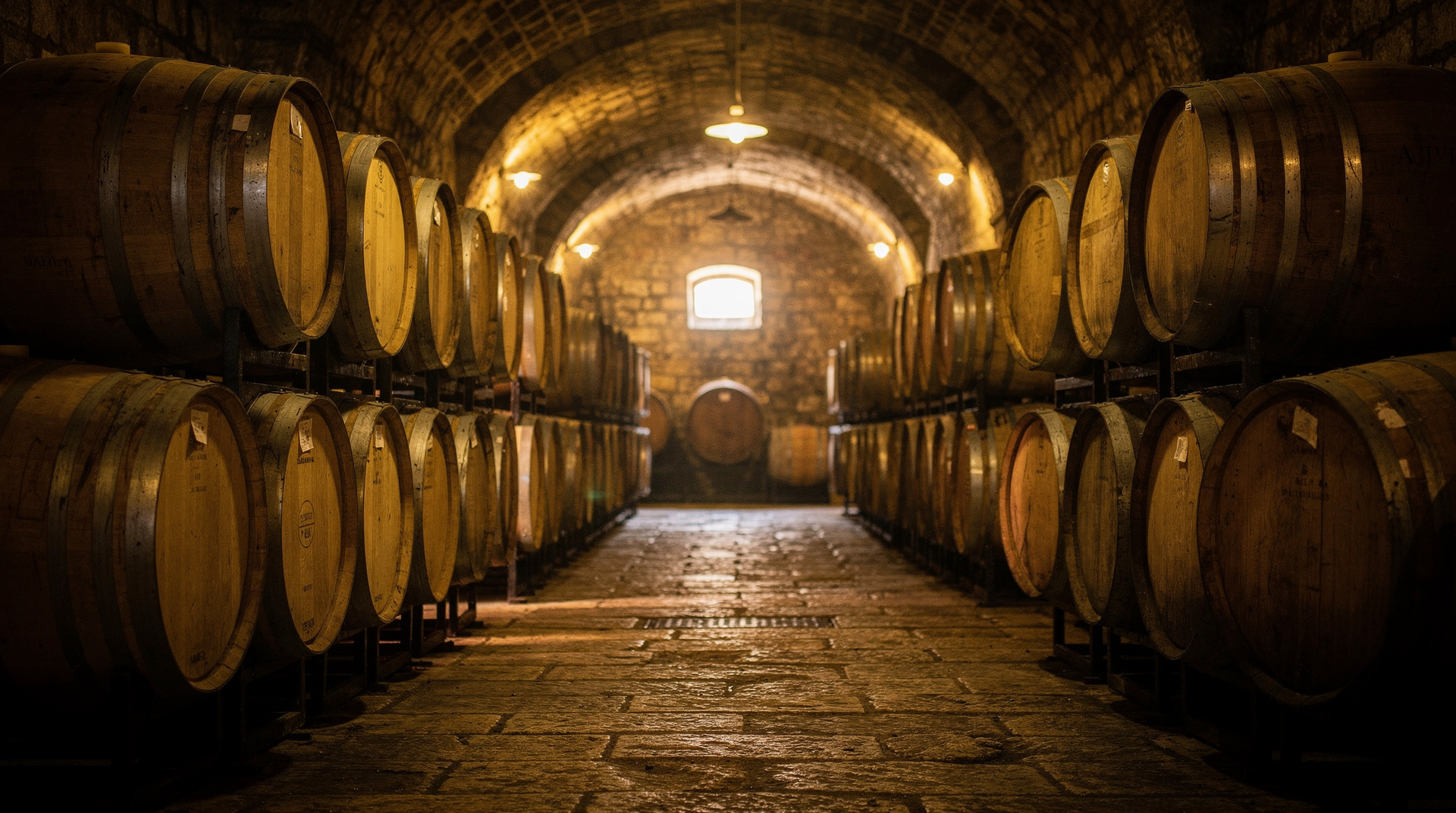
Taylor’s first (14:00–15:30): Rua do Choupelo 250. The cellar tour explains how port wine is produced, aged and classified — tawny vs ruby, vintage vs LBV, single quinta vs blended. Reserve the Taylor’s tasting. Cost ~€20–30 depending on tasting tier. 60–90 minutes.
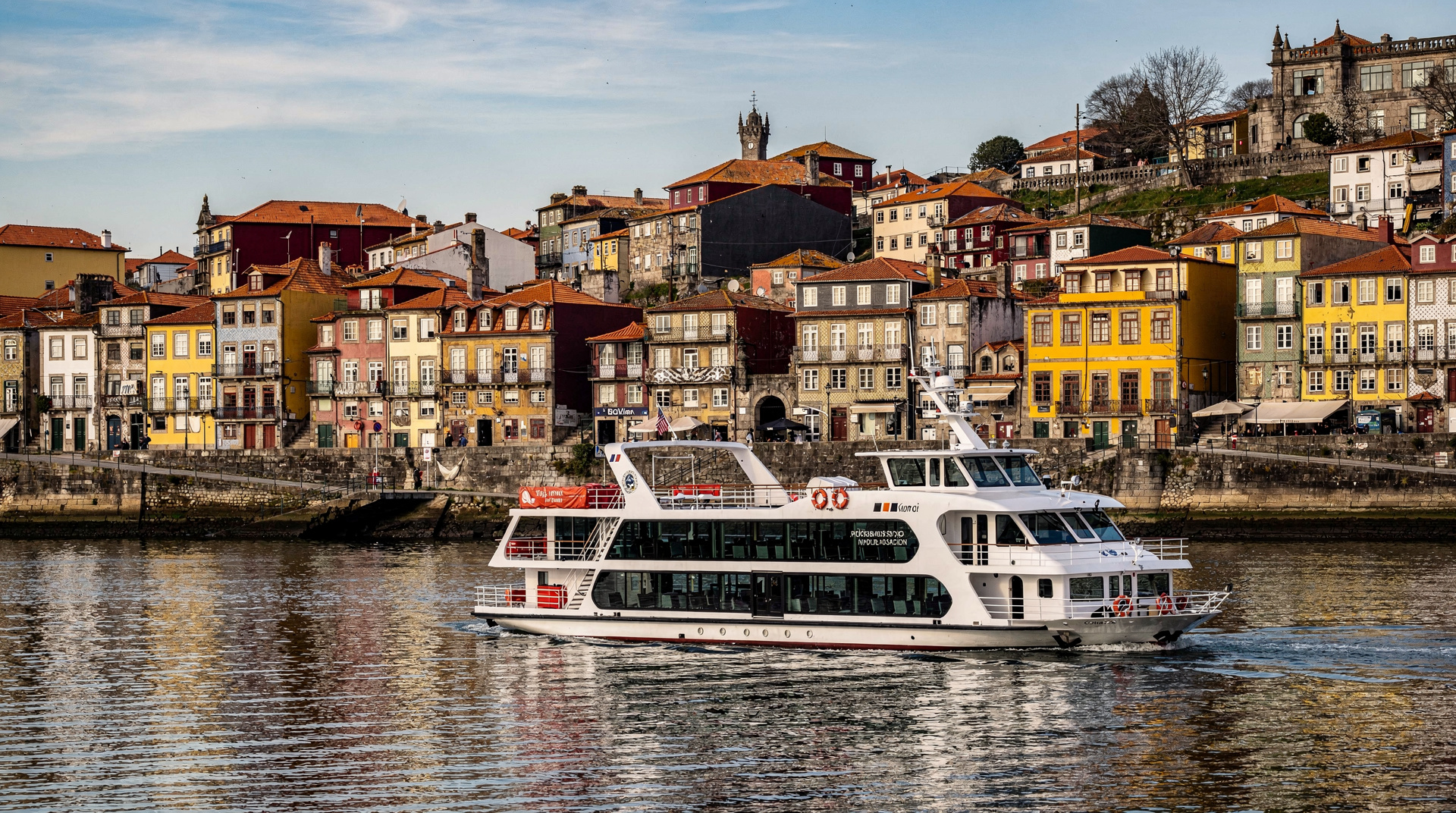
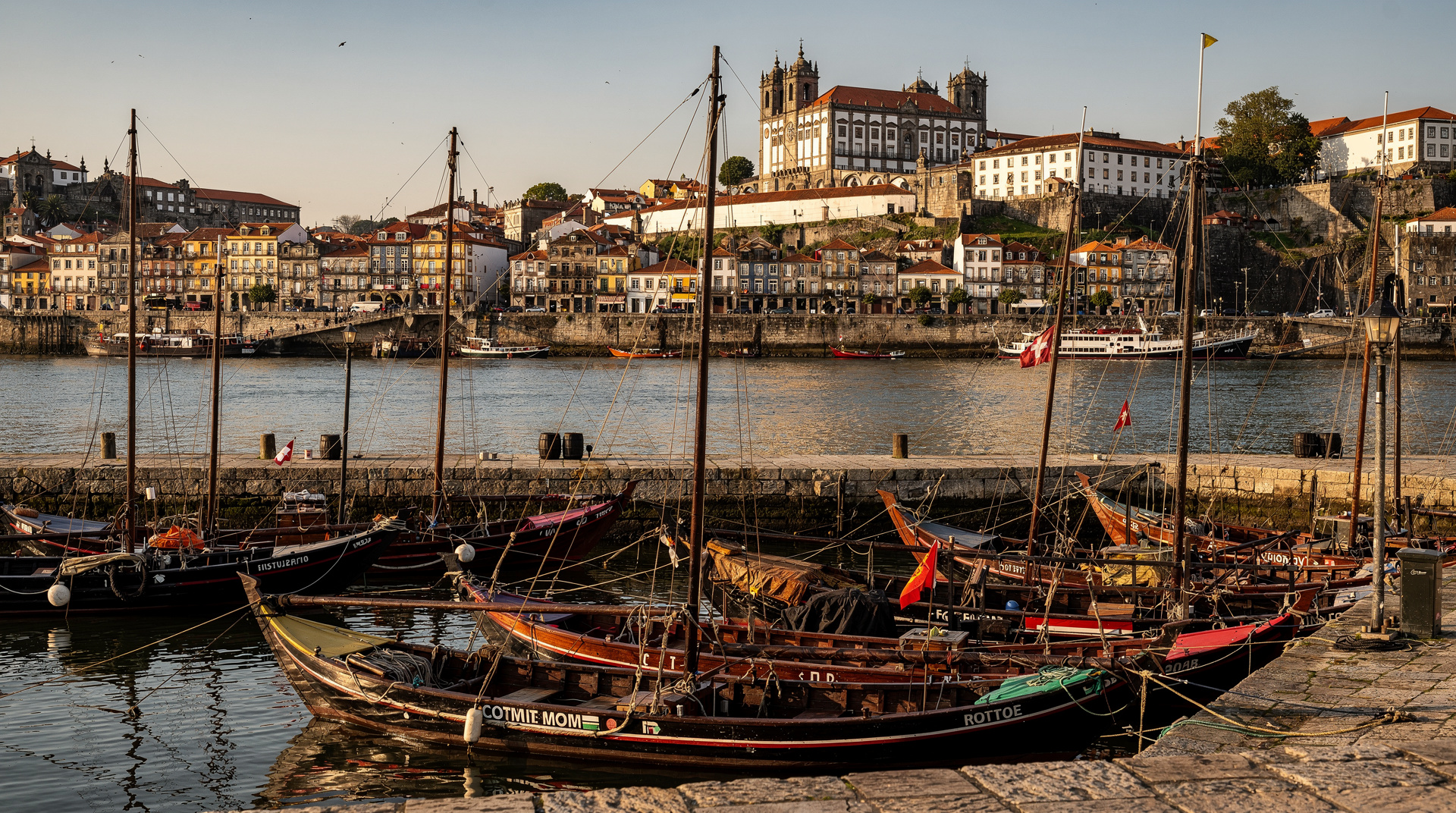
Then the Six Bridges cruise (16:00): Walk down to the Gaia quay and take the 50-minute cruise. This is the moment the geography clicks — the rabelo boats, the river, the two cities. Book the Six Bridges cruise or pay at the dock. ~€15–18.
Evening (18:30–22:00)
Dinner in Cedofeita or Bonfim. After seeing one port cellar today and heading for the quintas tomorrow, this evening is a good moment for a wine bar rather than a formal restaurant. Prova (Rua de Ferreira Borges 31) is a wine bar near the Palácio da Bolsa that specialises in Douro wines — try a glass of Douro red alongside whatever the port cellar didn’t offer today.
Day 2: Bonfim, Serralves and the western city
Morning (9:30–13:00)
9:30 — Livraria Lello
Book a skip-the-line ticket online (Silver ~€8) and visit this morning before heading west. The 20-minute interior tour is best appreciated when you’re not exhausted and the crowds are lighter. See the Livraria Lello guide.
10:15 — Serralves Foundation
Take metro to Casa da Música (lines B/D/E from Trindade, 4 minutes, €1.85), walk 20 minutes west to Serralves. Allow two hours for the museum and grounds (€20). Closed Mondays. Read our Serralves museum guide.
Lunch (12:30–14:00)
Eat near Serralves or take a taxi to Foz do Douro (€6). Seafront café for a lighter lunch (€10–12), or push to Matosinhos for proper fish (€20–30) if Day 3 doesn’t require early energy.
Afternoon (14:00–18:00)
14:00 — Foz do Douro and the Atlantic
Walk the Foz promenade. This context matters: you’ll be in the Douro Valley tomorrow, and seeing the river mouth here helps you mentally anchor the geography — 200 km upstream from where you’re standing are the terraced vineyards. The Castelo do Queijo and the meeting of the Douro with the Atlantic are both visible from the seafront.
16:00 — Bonfim neighbourhood
Take metro or taxi back toward the centre. Walk through the Bonfim neighbourhood east of the historic core — this is where Porto is most like a living city rather than a museum. Independent restaurants, tile-fronted houses, the Jardim de São Lázaro. Walk back to your hotel.
Evening (18:30–22:00)
Early dinner and early night — tomorrow requires an 8:30 departure. Brasão (francesinha), Taberna dos Mercadores (petiscos), or the best casual option near your hotel.
Day 3: Douro Valley — full day in the wine country
Early morning (8:00–8:30)
8:00 — Check your tour logistics
If you’ve booked a guided tour, confirm meeting point the night before. Most Douro day tours from Porto meet at a central point in the city centre (Aliados area or near São Bento) by 8:30–9:00 and return to Porto around 18:00–19:00. Make sure you’ve eaten breakfast or bought something for the road.
Douro tour option (recommended)
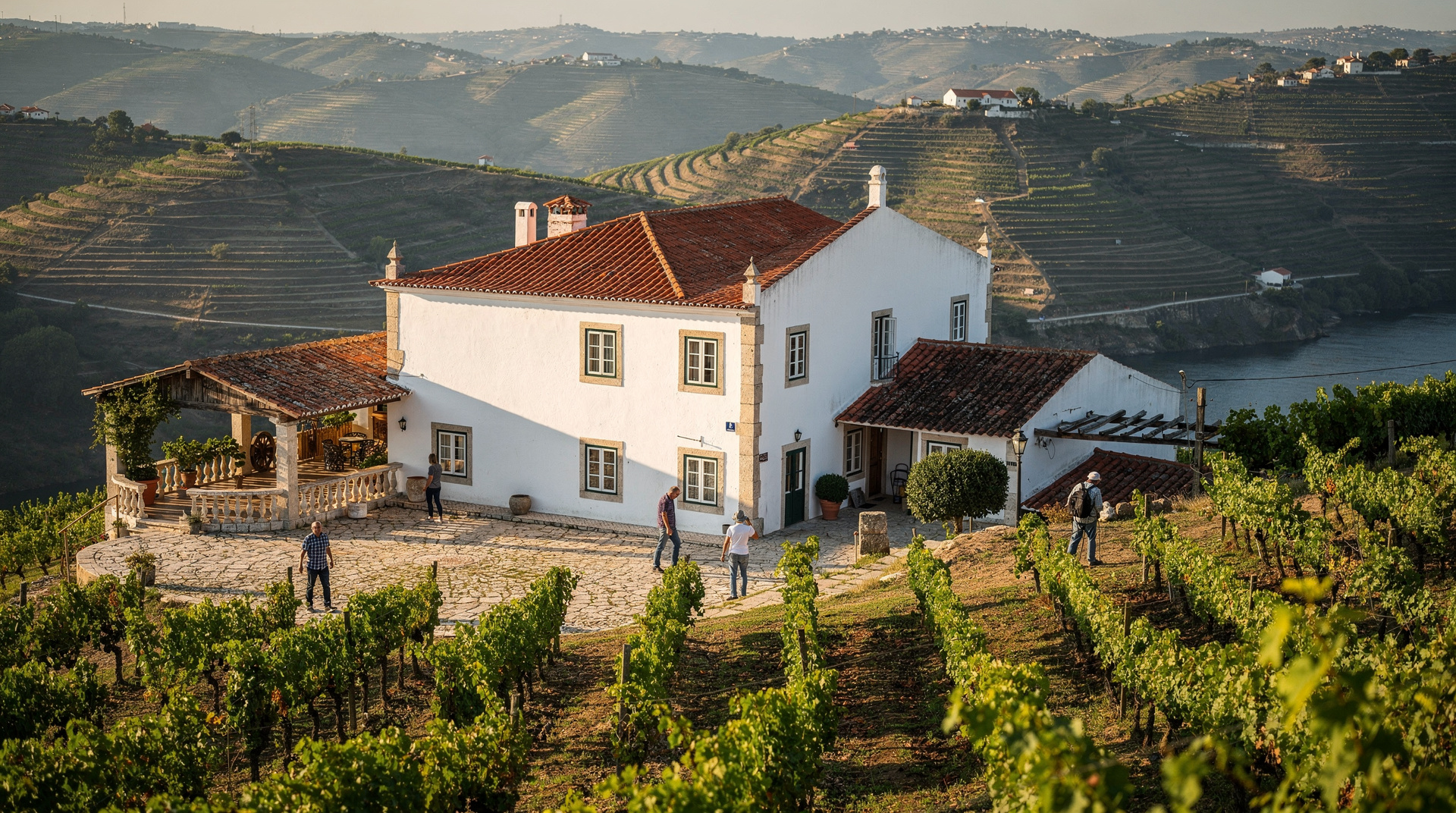
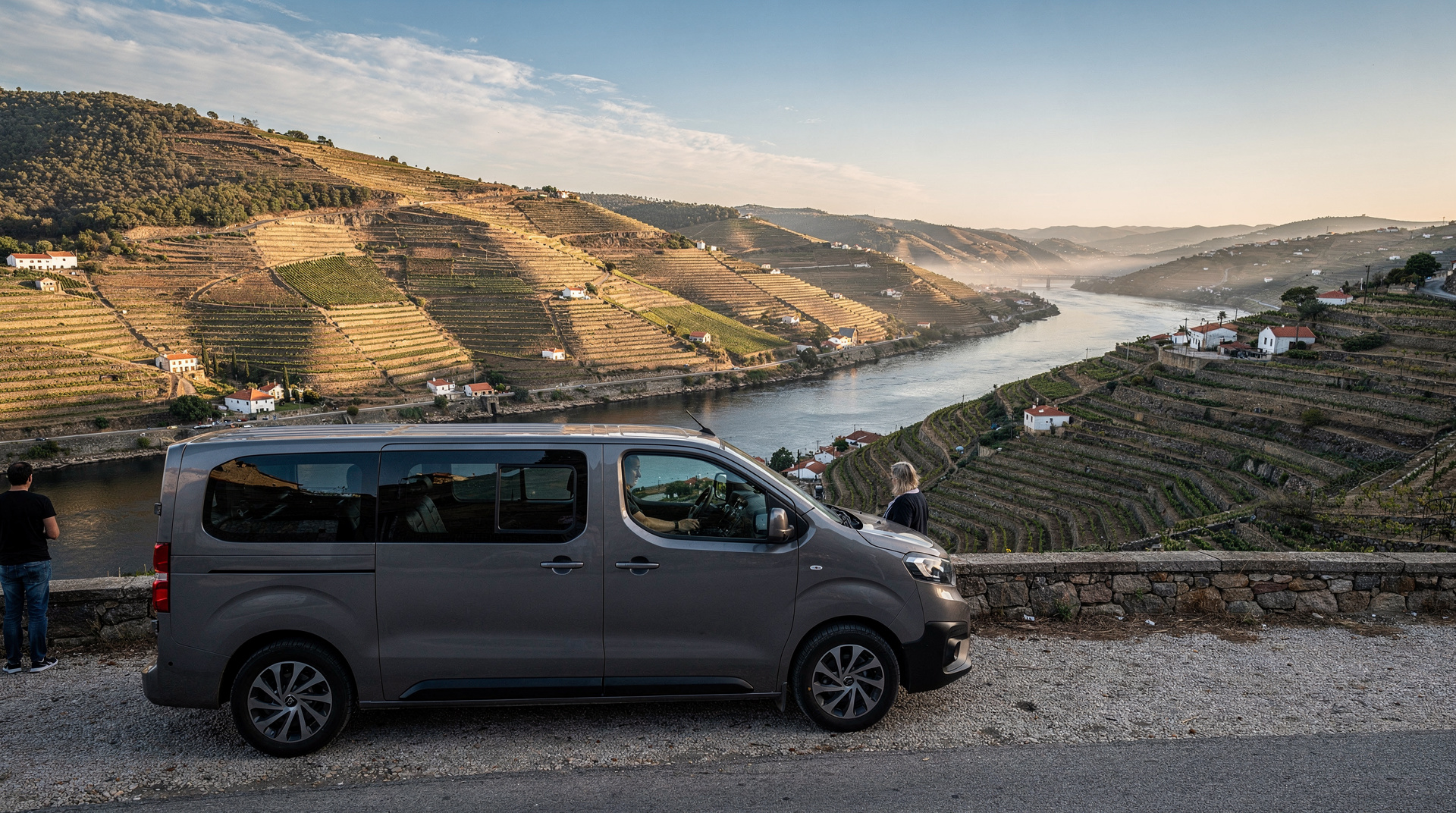
A full-day guided Douro tour is the most efficient and informative way to spend this day. The best tours visit two wine estates (quintas), include wine tastings at each, provide a lunch either at a quinta or at a restaurant in Peso da Régua or Pinhão, and end with a scenic Douro river cruise. The Douro 2 wine estates and cruise tour covers this combination. At ~€70–90 per person it’s fair value given the transport, guide, tastings and lunch are included.
For a smaller group with a more wine-focused guide: the premium Douro small group tour limits numbers to 8–12 people and spends more time at each quinta. ~€95–120 per person.
What a typical Douro tour day looks like:
- 8:30: Depart Porto toward the Douro via the N222 scenic road (often listed as “world’s most scenic drive”)
- 10:00: Arrive at first quinta near Peso da Régua — cellar tour, vineyard walk, tasting of 2–3 wines
- 12:00: Scenic drive to second quinta in the Pinhão area
- 13:00: Lunch at a quinta terrace or local restaurant — typically 2–3 courses with regional wine
- 15:00: Douro river cruise from Pinhão or Régua (30–60 minutes)
- 16:00: Free time in Pinhão or drive back through the valley
- 18:30: Return to Porto
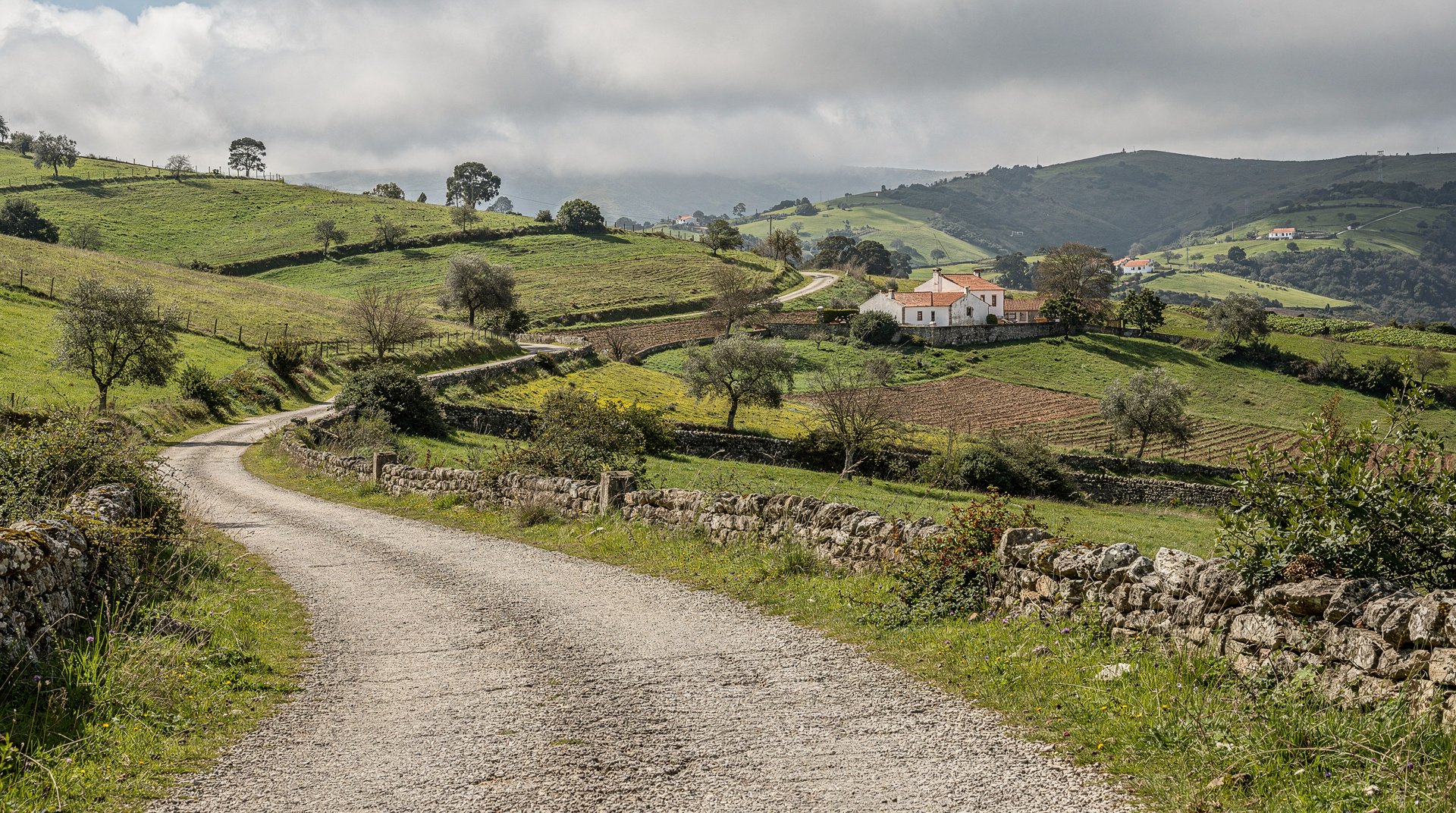
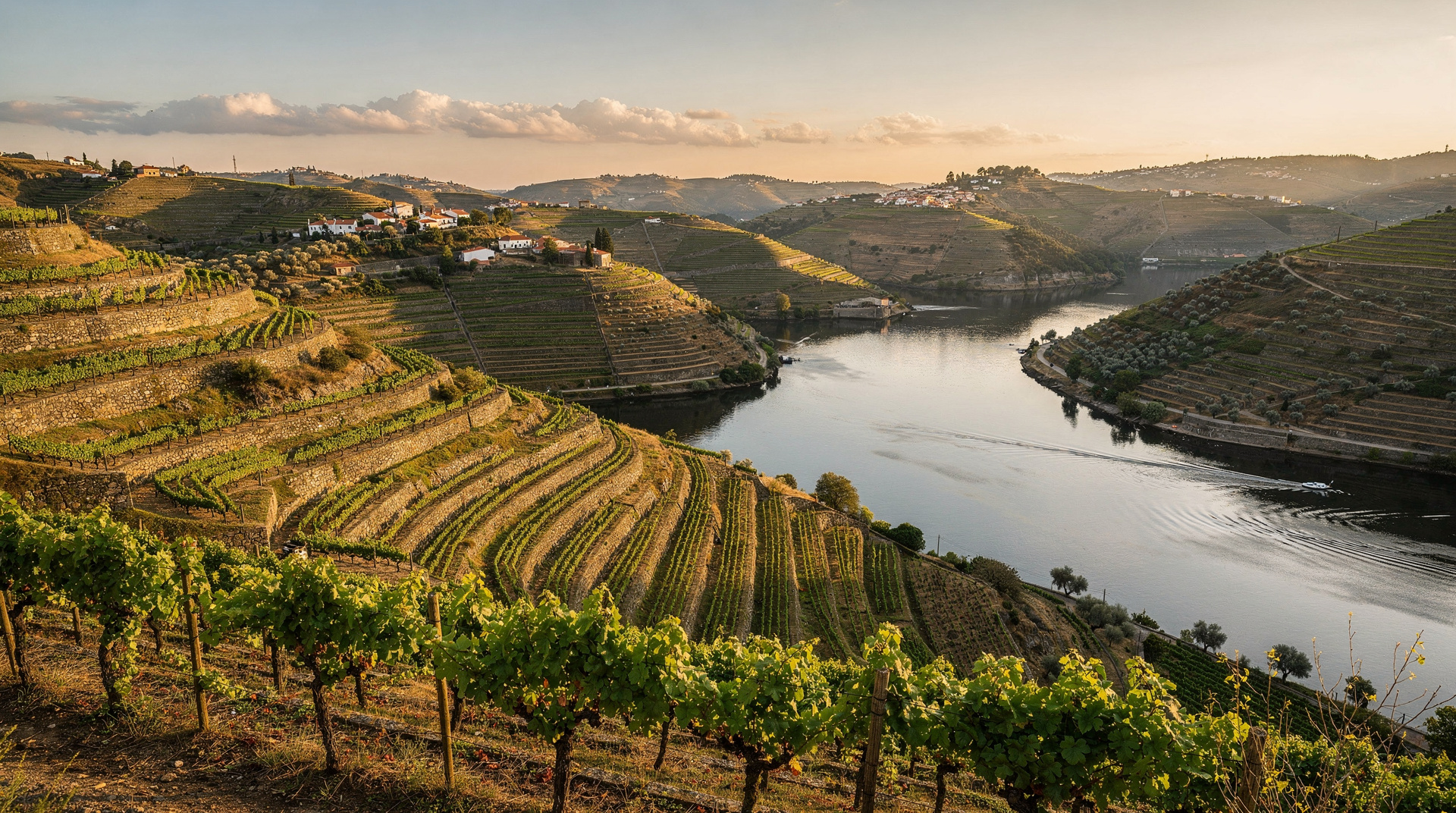
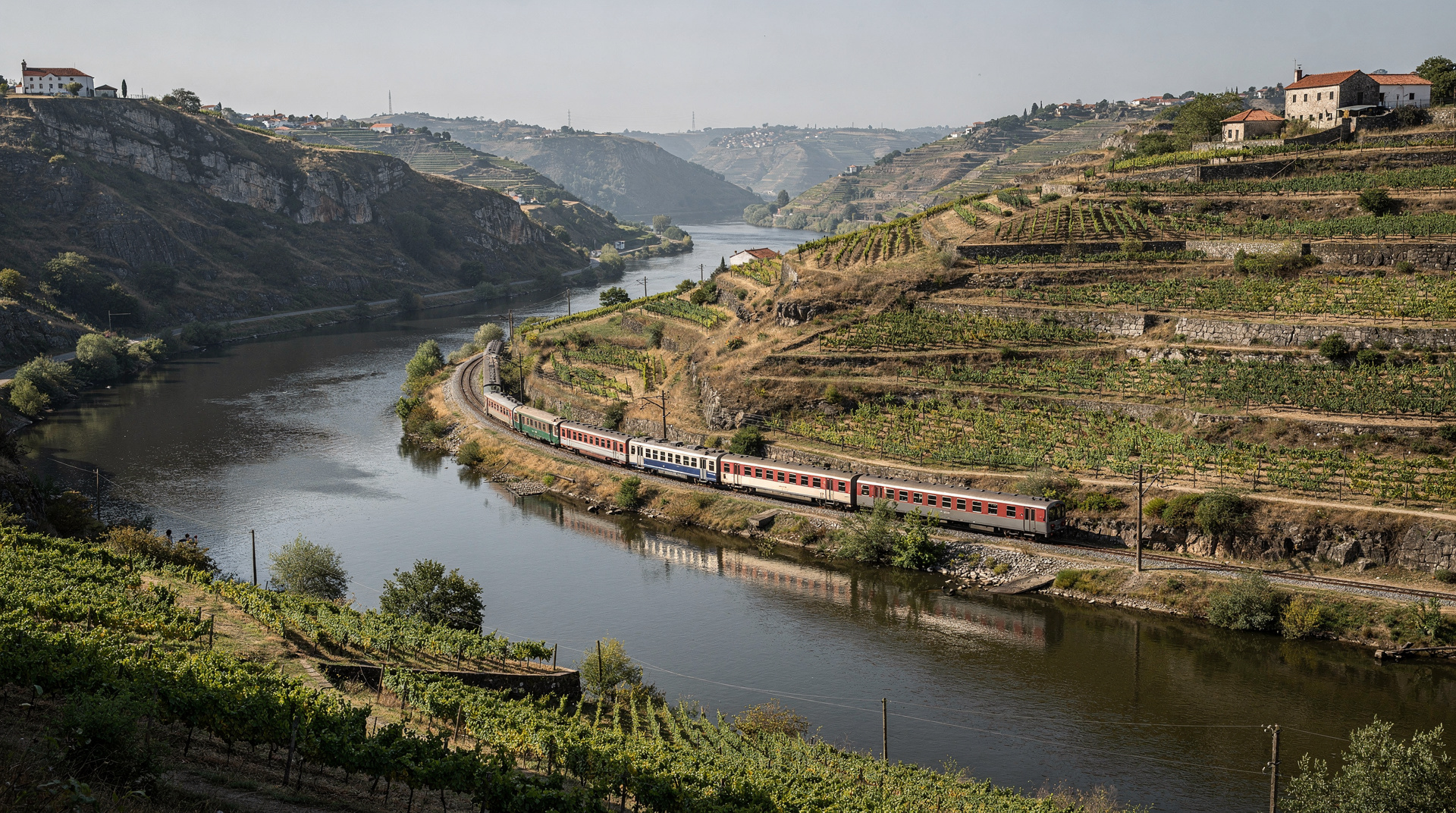
The landscape is what justifies the day — the Douro Valley UNESCO terraces are unlike anything in central Europe. Schist-rock vineyards, steep slopes, the river glinting below. September brings vindima (harvest) and visible activity in every vineyard; May and June bring lush green before the summer dries everything.
Train alternative (independent)
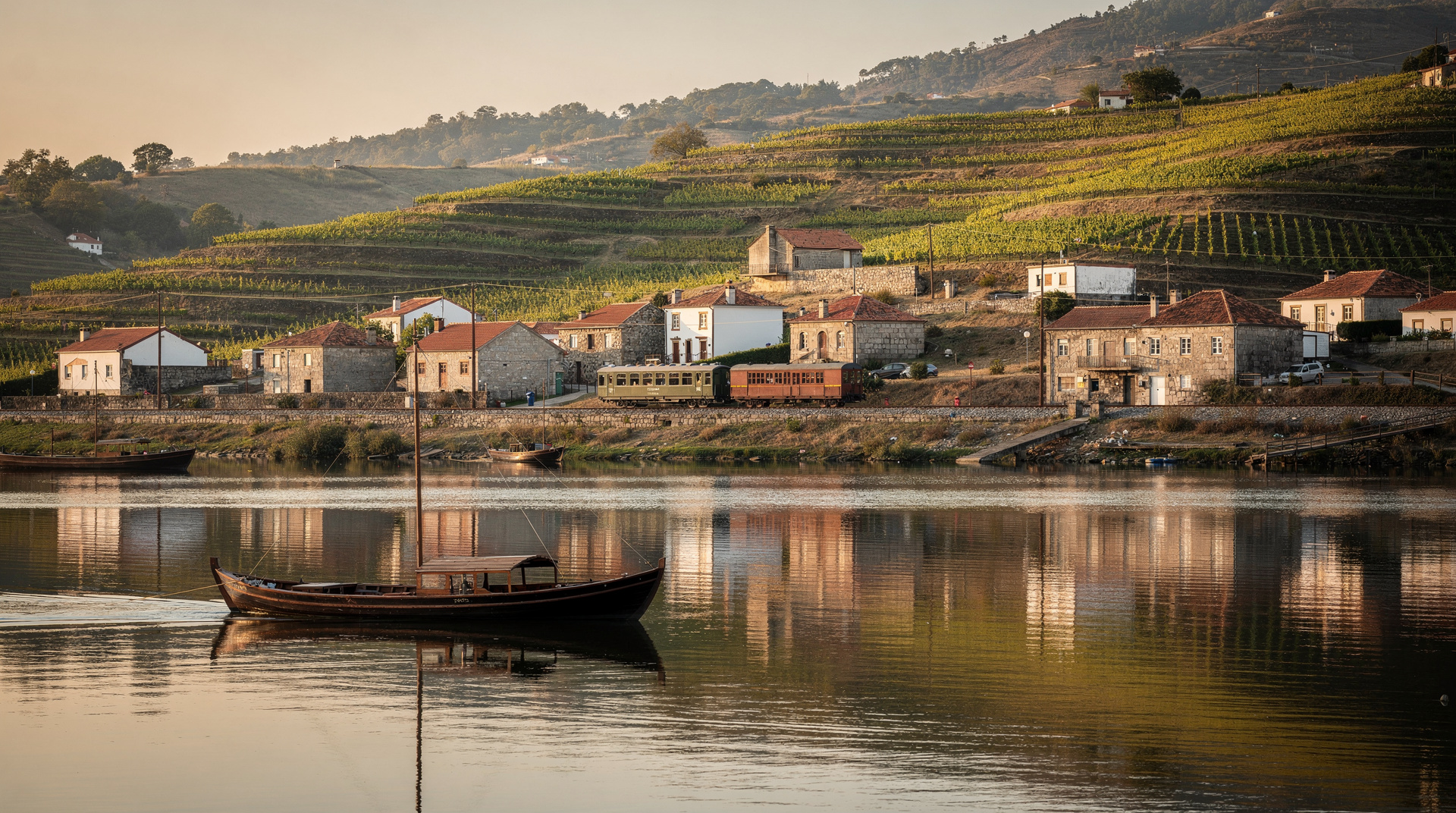
Porto Campanhã → Pinhão by Douro line train. Check CP (Comboios de Portugal) schedules at cp.pt. First morning service to Pinhão takes approximately 2h15 (€10.10 one way, book in advance on cp.pt). The train follows the Douro river from Régua onwards — spectacular scenery.
From Pinhão, take a taxi to Quinta do Bomfim or Quinta da Foz (2–4 km from the station). Both accept walk-in visitors and run tastings. Alternatively, book in advance at Quinta do Bomfim (the Symington/Dow’s estate — highly recommended for the azulejo panels at the train station alone). Return train from Pinhão to Porto departs in late afternoon.
Train limitation: You’re dependent on taxi access to quintas, and the day requires careful scheduling. The train-and-taxi day costs ~€35–45 but gives you less wine experience and more logistics. Our Douro by train vs car vs tour guide covers this in detail.
If you’d rather compare every operator side by side before booking Day 3, our Douro cruise comparison guide lines up the boat-only, boat-and-train and estate-and-cruise formats against each other.
Day-by-day summary
| Day | Focus | Highlights | Pace |
|---|---|---|---|
| Day 1 | Historic centre + Gaia | São Bento, Sé, Palácio da Bolsa, Clérigos, Taylor’s cellar, Six Bridges cruise | Full, morning-heavy |
| Day 2 | Lello, Serralves, Foz, Bonfim | Livraria Lello, Serralves grounds, Foz seafront, Bonfim neighbourhood | Moderate, one big stop |
| Day 3 | Douro Valley | Two quintas, tastings, lunch, river cruise (tour) or train + taxi visits (independent) | Full day, early start |
Where to stay for this itinerary
Base yourself in the historic centre or Bonfim so that Days 1 and 2 are entirely walkable and Day 3’s early departure — whether a tour pickup or the Campanhã train — is a short taxi or metro ride away. Our where to stay in Porto guide breaks down the trade-offs between Ribeira (atmospheric but noisy at night), Baixa/Aliados (central, well-connected) and Cedofeita/Bonfim (quieter, better local dining). Avoid basing yourself in Gaia for this particular itinerary — it saves nothing on Day 1’s cellar visit and adds a bridge crossing to every other day’s plans.
Getting to the Douro without a car
If train logistics feel like too much admin on top of two dense city days, our Porto to Douro Valley transport guide compares every practical option — guided tour, train, private transfer and driving — for travellers without their own car. For a deeper dive specifically into train vs car vs tour trade-offs beyond what’s covered above, see the Douro by train vs car vs tour guide linked earlier.
Practical notes about this itinerary
Douro tour booking: In June, July, August and September, good Douro tours fill fast. Book at minimum three days ahead; in September (vindima) two to three weeks ahead is realistic. See our Douro Valley day trip guide.
Serralves closed Mondays: If Day 2 of this itinerary falls on a Monday, swap the Serralves visit to Day 1 afternoon (after the Gaia cellars) and adjust accordingly.
Wine pairing between days: One of the underappreciated aspects of doing a Gaia cellar on Day 1 and the Douro on Day 3 is the comparison: the cellar in Gaia explains classification and ageing; the quintas in the Douro explain viticulture and terroir. If you see both, ask the guides the same questions at each — you’ll get complementary perspectives.
Boat-and-train Douro option: The Douro boat and train full day tour combines an outbound river cruise from Porto to Pinhão with a scenic train return — the most cinematic way to experience the Douro transport landscape.
Which lodge for Day 1: Taylor’s is the pick used in this itinerary because its terrace and self-guided pace suit a first cellar visit, but it isn’t the only good option. If you want to weigh it against Graham’s and Cálem before booking, see our Taylor’s vs Graham’s vs Cálem guide. Understanding the classification system itself first makes the Day 3 tastings click faster too — our types of port wine explained guide is a useful ten-minute read the evening before.
If you base a night in the valley instead: This itinerary treats the Douro as a day trip, but Peso da Régua makes a genuine overnight base if you’d rather split the drive/train and not rush back to Porto by evening. See our Peso da Régua guide for what that version of the trip looks like.
Frequently asked questions about this itinerary
Is one day enough for the Douro Valley?
For a first visit, yes — provided you take a well-structured tour that includes two quintas, lunch and a river cruise. The valley is large; a single day can’t cover Pinhão, Régua and Lamego, but it can give you the visual landscape and two quality wine experiences. If wine is a primary interest, see the Douro wine lovers itinerary.
Should I take a guided tour or go independently to the Douro?
For most travellers: guided tour. The logistics of reaching quintas from the train station without a car are genuinely awkward, and a good guide adds real value in explaining what you’re tasting and why the Douro landscape looks the way it does. See our is the Douro tour worth it guide.
What’s the best time of year for the Douro day trip?
May–June (green vineyards, mild weather), and September–October (vindima harvest, activity in every vineyard). Avoid July–August if possible — the valley gets very hot (35–40°C) and the landscape is dry. Winter tours operate but the quintas run on reduced schedules. See our best time for Douro Valley vindima guide.
Can I do this itinerary without the Douro day trip?
Yes — replace Day 3 with a deeper Porto exploration (Matosinhos, second port cellar, Bonfim walk) for what becomes the classic 3-day Porto itinerary.
Is Pinhão worth visiting on a day trip?
As a base for a longer Douro stay — yes, absolutely. As a day trip destination in itself — it’s a small village with beautiful azulejo panels at the railway station. Most day trips pass through rather than stay. See our Pinhão guide.
Top experiences
Bookable activities with verified prices and instant confirmation on GetYourGuide.