Why we went back to Porto
The first time, 2018
We came to Porto in November 2018 for no particular reason. A long weekend flight deal, an empty diary, a vague awareness that people were starting to talk about Porto in the way they’d talked about Lisbon a few years earlier. We booked a guesthouse near Cedofeita without researching neighbourhoods and arrived on a Thursday evening knowing very little.
| Visit 1 | November 2018 — first discovery, quiet season |
| Visit 2 | June 2020 — pandemic quiet, summer light |
| Visit 3 | September 2022 — vindima, more changed city |
| What changed | Prices, crowds, Airbnb density |
| What didn’t | Azulejos, the river, the wine, the coffee |
The city surprised us. That’s the word I keep coming back to — surprised. We’d expected something pretty and slightly provincial, a smaller Lisbon with tiles and port wine. We found something with its own complete logic: the industrial north, the wine culture, the Atlantic light, the Douro river that the city navigates around rather than against. Porto didn’t feel like it was performing for us in November 2018. It felt like it was going about its business and we were welcome to observe.
We ate our first francesinha at a counter near Bolhão market without knowing what it was, pointed at the item the construction worker at the next stool was eating. The sauce arrived bubbling in a cast-iron pan. We looked at it and then at each other and then we ate it. Fifteen minutes later we understood something about Porto that no article had communicated.
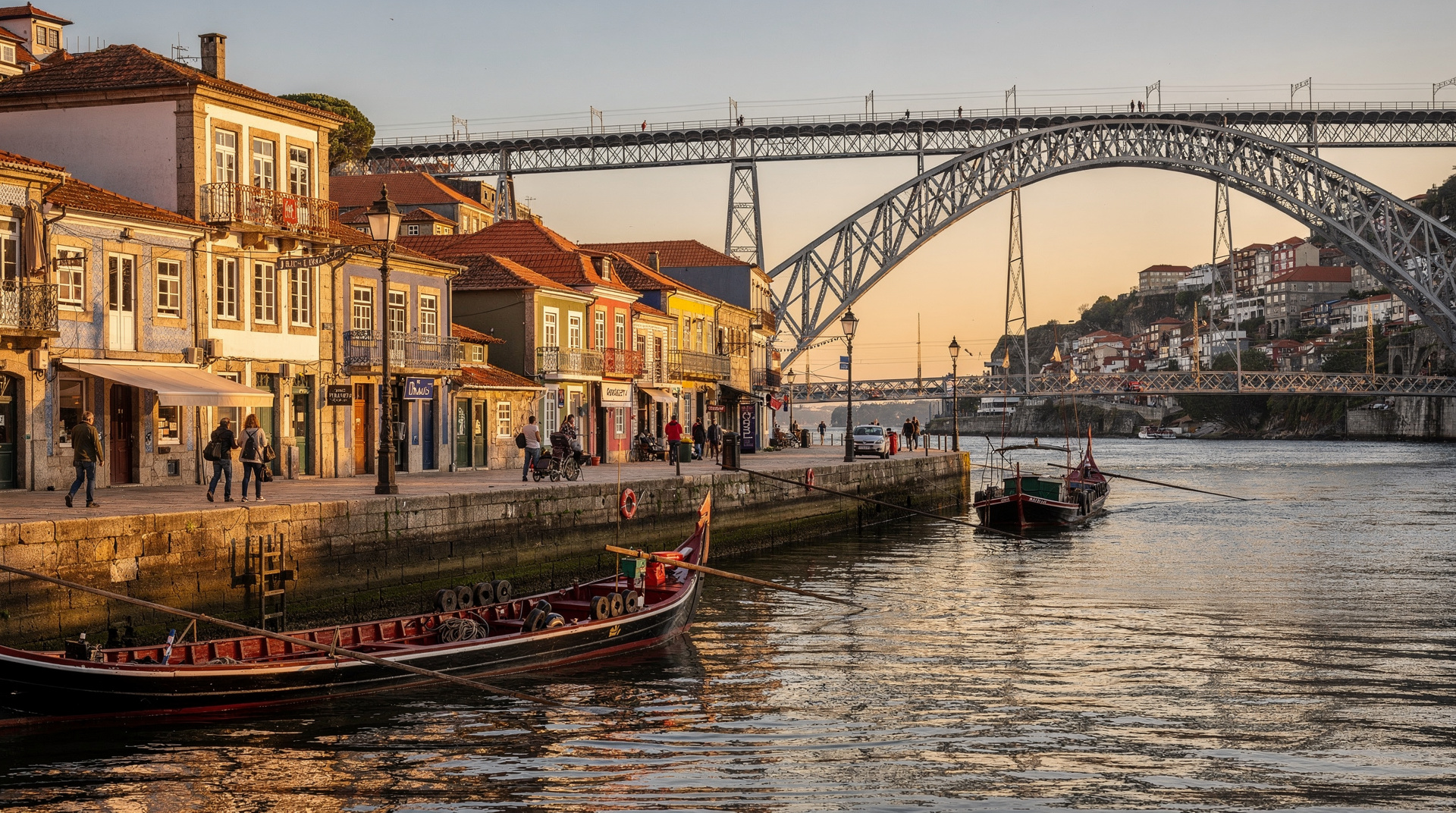
We spent three days. We walked to Foz do Douro along the riverside road. We crossed to Gaia for a cellar visit. We stood on the upper deck of Ponte Dom Luís I in the rain and watched the river go dark below the iron lattice. We ate pastel de nata every morning before we’d even thought about what else the day might hold.
We went home and within a month had booked a return visit.
What made us come back
I’ve tried to articulate this in various ways and the most honest version is: Porto was the first city in some time that made us feel like we hadn’t fully understood it after one visit. Most cities — and this isn’t a criticism — reveal themselves quickly. Three days in Paris and you have a Paris in your head that will be recognisably similar to every subsequent Paris. Three days in Porto and we had a version of the city that felt provisional.
Partly this was November timing — we’d seen the rainy city and the low-season city, and we were curious about the summer one. Partly it was specific incompleteness: we hadn’t taken the Douro train, hadn’t gotten as far into Bonfim as we meant to, hadn’t eaten sardines because they weren’t in season.
But mostly it was a quality in the city itself. Porto is built on hills and the hills mean you never quite have the full picture: you can see another viewpoint from where you’re standing but to reach it requires descent, navigation through winding streets, a climb up the other side. The city physically prevents totalisation. You leave knowing there are angles you haven’t had.
The second visit, and what had changed
We went back in June 2020. The pandemic had collapsed European tourism for a year and Porto was noticeably quieter than our 2018 November trip, which was itself a quiet month. The restaurants were operating at reduced capacity. The streets that we’d expected to be summer-crowded were not.
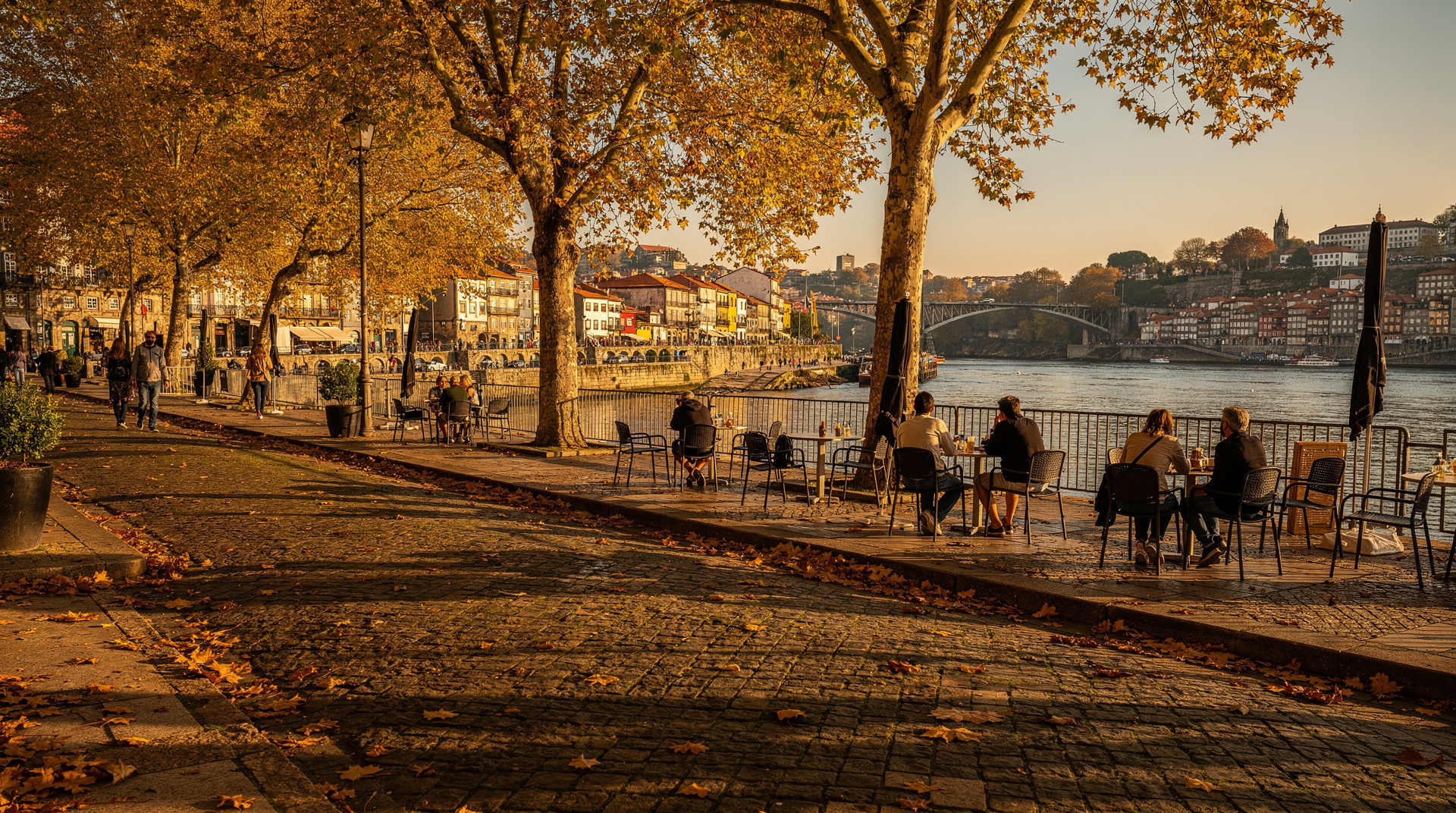
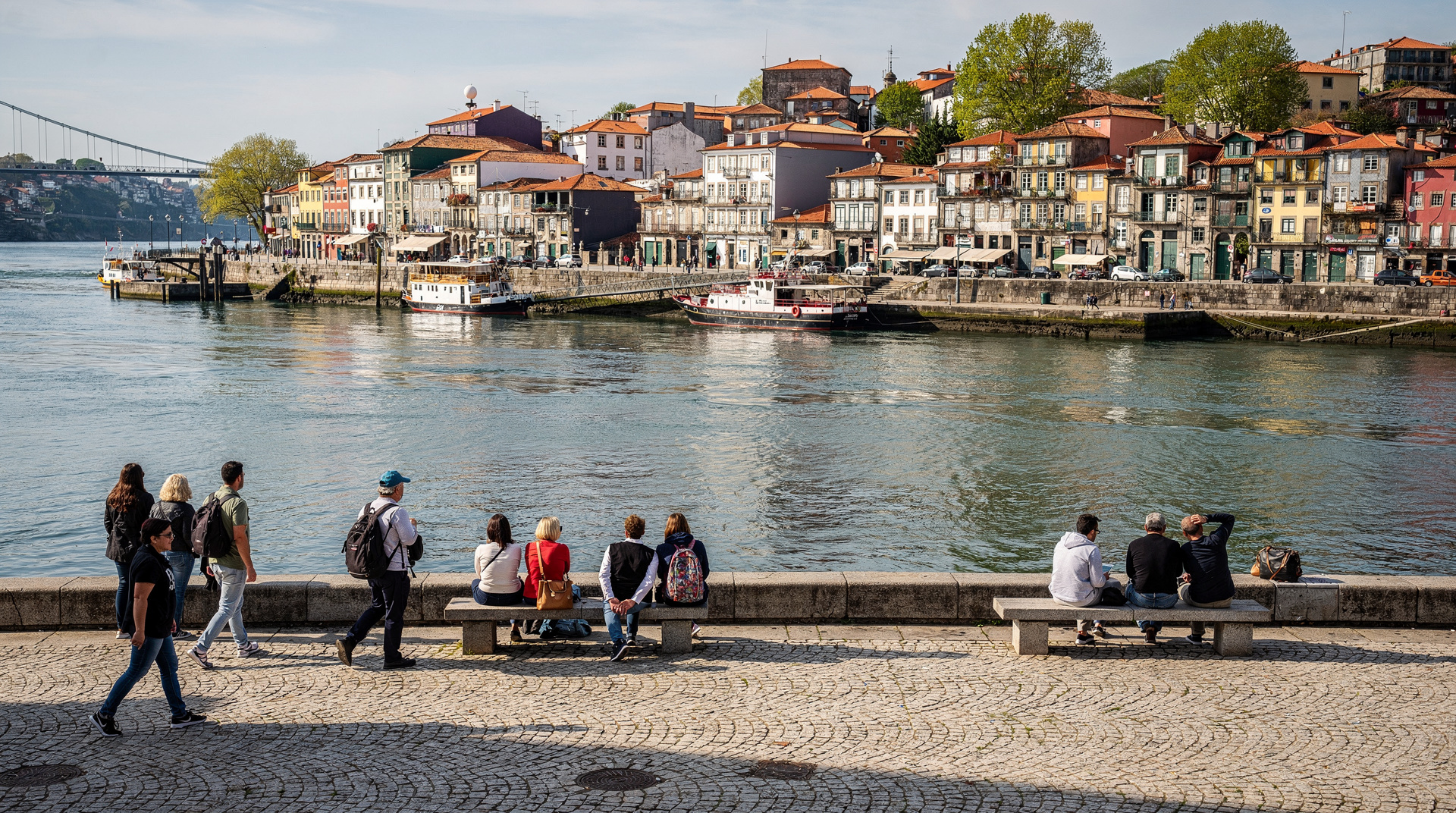
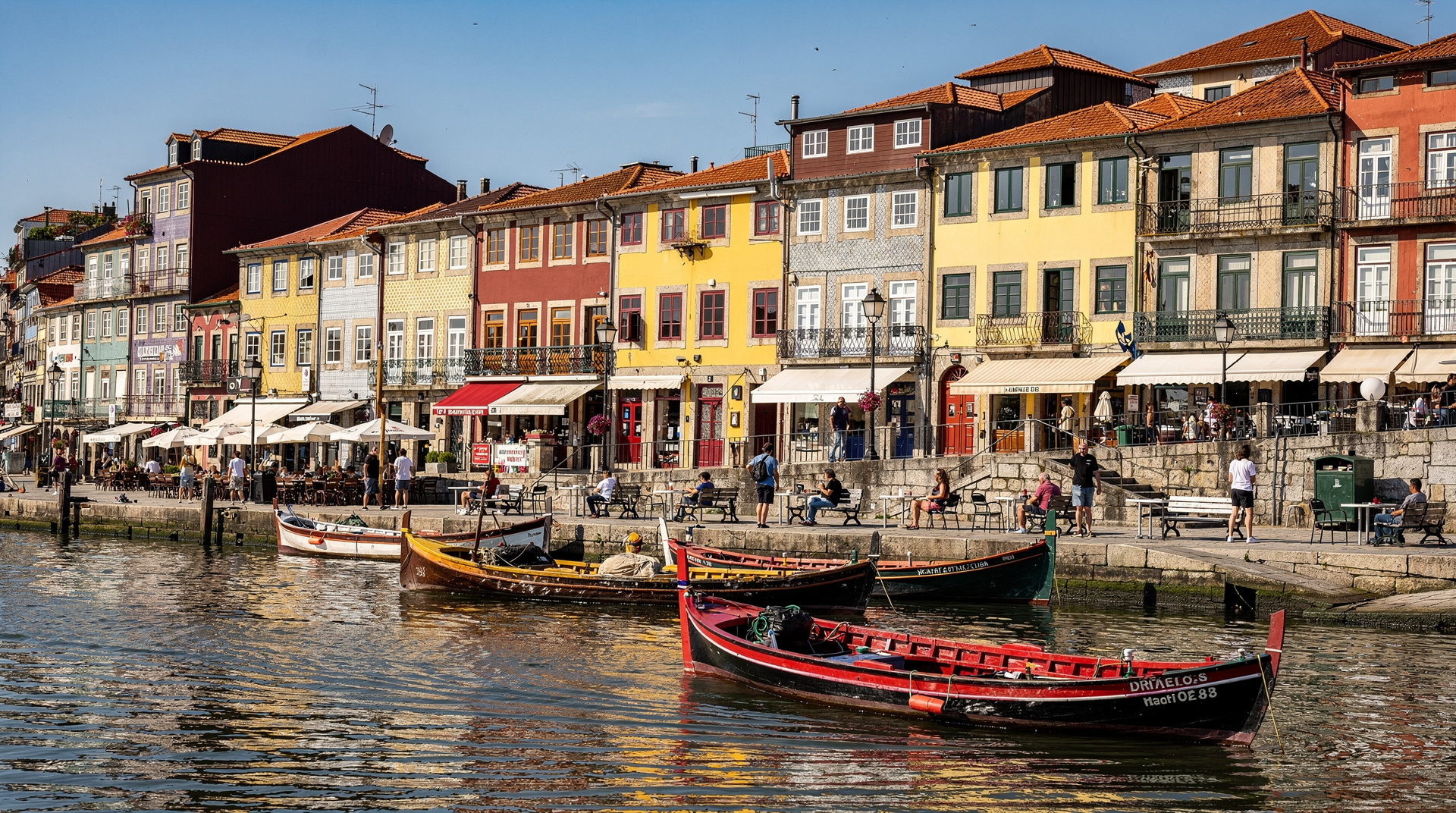
We had the city in a form that has since become inaccessible: pre-recovery, post-pandemic, genuinely uncrowded. The Lello queue was ten people. Taylor’s cellar was available for walk-in on the afternoon of our first day. We sat on the Ribeira waterfront on a Saturday evening and were not in competition with anyone for space.
We also had, for the first time, the summer light. The sun on the Gaia hillside at 8pm. The Douro going silver and then gold. São João that year was cancelled because of the pandemic but the city was already warm and golden in the way we’d imagined June Porto would be, and we understood something the November visit hadn’t shown us: the relationship between this city and Atlantic light is not incidental.
The third visit, and what hasn’t changed
We came back in September 2022 for the vindima — you can read the full account of that trip — and by then Porto had changed materially. The Airbnb density had increased. The restaurant prices had moved. There were more English-language menus, more queues at the obvious places, more of the performative tourist infrastructure that characterises European cities that have been successfully marketed.
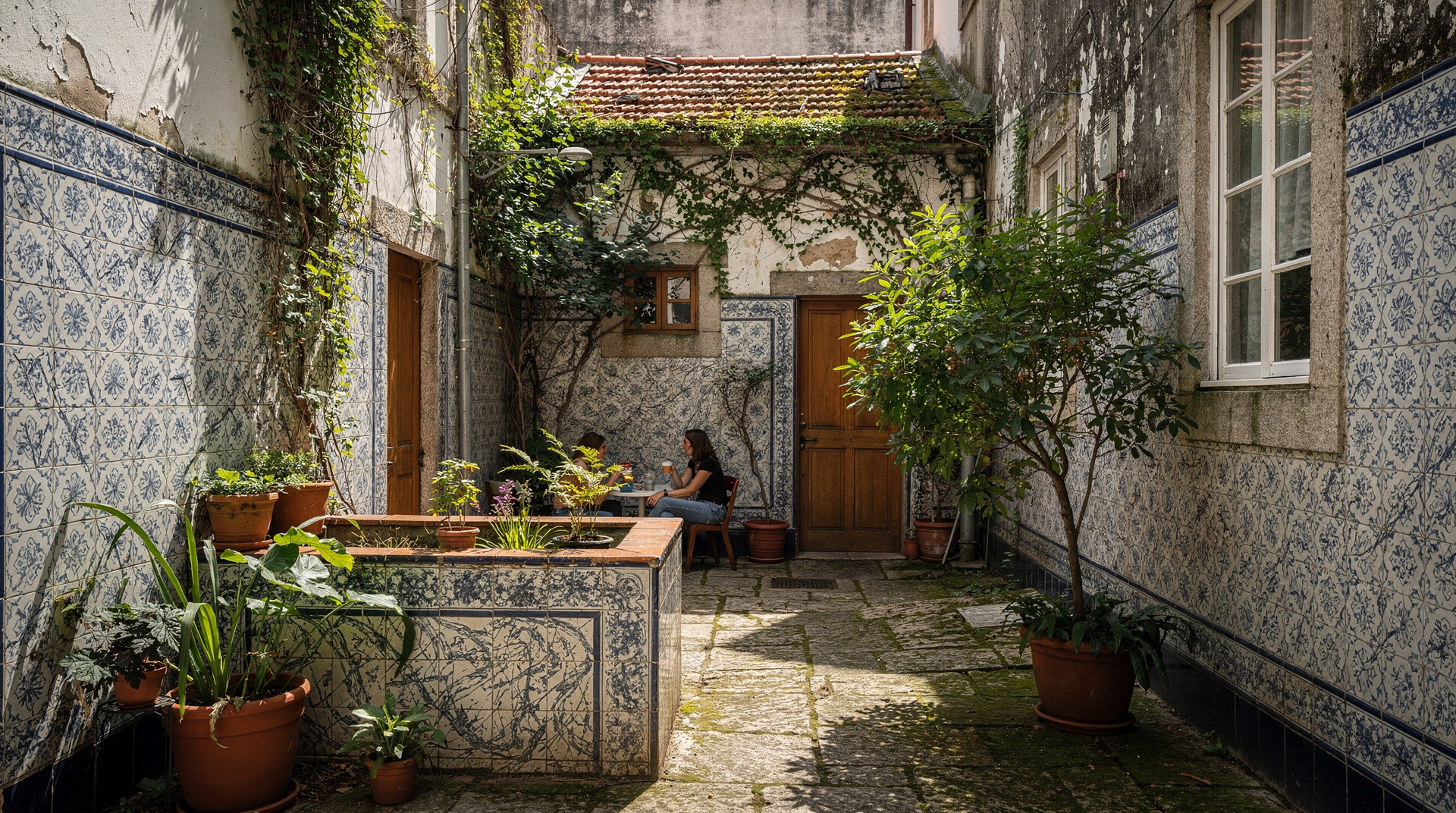
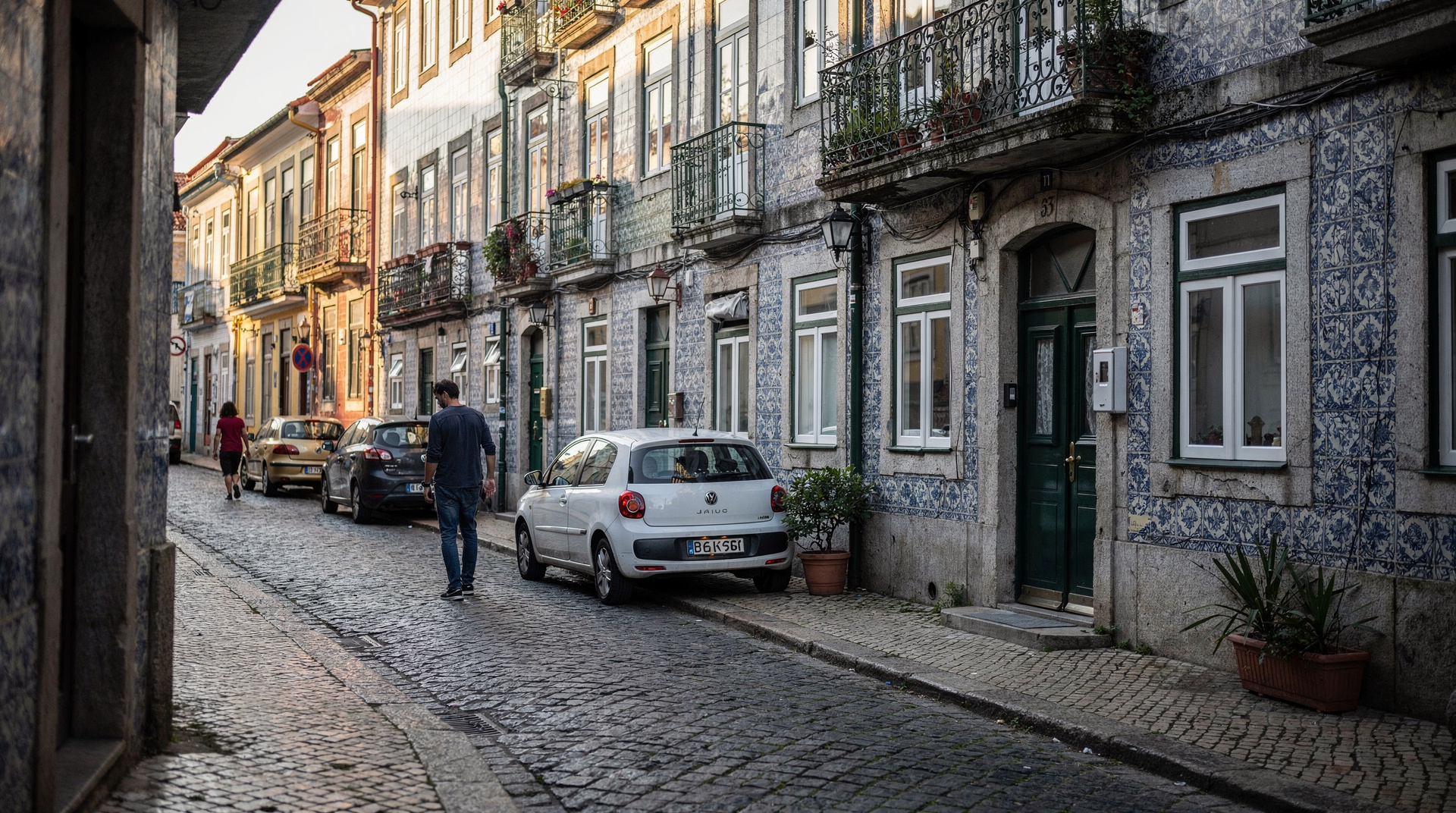
The things that hadn’t changed: the azulejo facades, which are the buildings they are because of history and Atlantic weather rather than tourism. The river. The quality of the wine and the port wine cellar experience. The coffee (still excellent, still cheap). The neighbourhood tascas in Bonfim (fewer than before, but still present). The specific Porto character — direct, a little rough, honest in a way that the softer southern cities are not — that we’d noticed in 2018.
What the 2022 visit showed was that Porto’s essence is more durable than the gentrification narrative suggests. Cities absorb tourism and continue. The thing Porto is is not a product of low visitor numbers. The Douro is not more impressive when seen by fewer people. The francesinha sauce is still made the same way regardless of who’s eating it.
Why Porto specifically
I’ve visited a lot of European cities. I don’t return to many of them more than once. The ones I return to have something in common: an internal coherence that resists being fully consumed in a single visit. Bruges has it (though for different reasons). San Sebastián has it. Porto has it.
The combination of the wine culture with the river with the Atlantic with the architectural texture with the specific kind of Portuguese northern directness creates something you don’t get by adding those elements separately. Porto is more than the sum of what you’d list in describing it.
We went back three times in eight years. We’re already looking at 2026 dates.
Private custom Porto experience — for return visitors who want to go deeper than the highlightsFor first-time visitors reading this
Everything we’ve described in this post is still there. Porto in 2026 is busier than Porto in 2018 and the prices have moved. But the Douro is the Douro. The Gaia hillside at golden hour is the Gaia hillside at golden hour. The francesinha at the right tasca is still the thing that makes you understand something about this city that the descriptions hadn’t managed.
Start with two or three days. Be in the right neighbourhoods at the right hours. Eat the francesinha at lunch, not in a tourist restaurant. Cross to Vila Nova de Gaia for the cellar visit and stay for the evening light on the bridge.
Then come back.
Taylor’s cellar — the one port wine experience we’ve taken on every Porto visitWhat three visits taught us about timing a Porto trip
Each visit landed in a different season almost by accident, and in hindsight the contrast taught us more about Porto’s seasonal character than any single well-planned trip could have. November 2018 showed us the rainy, contemplative city — the version we describe in our rainy day guide. June 2020 showed us the golden-hour city, though under unusually quiet circumstances that won’t repeat. September 2022, during vindima, showed us the working Douro behind the wine we’d been drinking on every visit — an experience detailed in full in our vindima diary. If you can only visit once, our best month to visit Porto guide lays out the trade-offs between these seasons without needing three separate trips to learn them.
Why we’d recommend a return visit to anyone
The case for returning to Porto isn’t really about seeing something new each time, though that happens. It’s that the city rewards a second layer of attention that a first visit, however good, doesn’t have time for. First-timers should read our underrated Porto neighbourhoods guide for what to add on a second trip — Bonfim and Cedofeita specifically are the areas that a first, highlights-focused visit tends to skip, and they’re where a lot of what makes Porto feel distinct actually lives.
FAQ
Is Porto worth visiting more than once, or is one trip enough? One trip is genuinely enough to see the highlights — Ribeira, Clérigos, Lello, the Gaia cellars. But Porto’s hillside layout and neighbourhood depth mean a single visit rarely uncovers Bonfim, Cedofeita, or the Douro properly, which is why we and many repeat visitors find a second trip worthwhile rather than redundant.
Has Porto changed too much since 2018 to still be worth visiting? No. Prices and crowds have increased, but the things that made Porto distinctive — the azulejo facades, the Douro, the port wine cellars, the specific northern Portuguese character — are unchanged. It’s a busier city than in 2018, not a fundamentally different one.